
DESTINATION GUIDE
Extending Your Alaska Trip: Inside Passage and Denali
An advisor's guide to what comes next — the trip after the trip, for travelers who came for the aurora and decided Alaska wasn't done with them.
About the Destination
Most of the travelers we host on the March 2027 Northern Lights Alaska trip will come for the aurora and leave with two questions. The first is when can we do that again? The second — sometimes weeks later, sometimes the morning of departure — is what's the right way to see the rest of Alaska?
This guide answers the second one. It covers the two canonical Alaska extensions: the Inside Passage by small ship or ferry (the canonical summer Alaska experience) and Denali in shoulder season (the canonical interior-Alaska wilderness arc). It also frames how to think about adding either one to a March winter trip — directly appended is rarely the right call; planning a return-trip arc usually is.
This is written for the traveler who's already decided Alaska is going to be a multi-trip relationship, not a one-and-done.
The Two Arcs at a Glance
Denali
Best Season:
Late May–early September (the season the road and lodging fully open)
Trip Length:
4-7 nights typical
What it's For:
The canonical interior wilderness — Denali itself, the surrounding 6 million acres of national park, bear/wolf/moose viewing, the road that runs the length of the park
How to Do It:
Lodging at one of the canonical lodges (Camp Denali, Kantishna Roadhouse, Denali Backcountry Lodge), with structured day excursions
Difficulty Rating:
Moderate — more remote, weather-dependent, longer travel times
Why Directly Appending to a March Trip is Hard:
Denali road and lodges are summer-only; winter Denali is a different (and difficult) trip
Inside Passage
Best Season:
May–September (peak: June– August)
Trip Length:
7-10 nights typical
What it's For:
The canonical Alaska coastal experience — glaciers from the deck, towns built around fishing and Native heritage, wildlife viewing from the water
How to Do It:
Small ship (UnCruise, Lindblad, American Cruise Lines) or the Alaska Marine Highway state ferry
Difficulty Rating:
Low — the small ship handles all logistics
Why Directly Appending to a March Trip is Hard:
Inside Passage operations are summer-only; ferry runs winter but with limited service
The honest math: Directly appending either arc to a March winter trip rarely works. What works is using the March trip as the introduction to Alaska and planning a separate summer return for the second arc — typically with 12-18 months of planning runway.
When to do it
The Alaska summer cruise season runs late April through late September.
The math:
Late April / early May — early-season pricing, fewer crowds, weather more variable, some operators not yet fully open. The deal-hunter's window.
Mid-May through mid-June — the sweet spot for many travelers. Long days, weather moderating, all operators running, peak wildlife activity (especially humpback whales returning).
Mid-June through mid-August — peak season. Highest pricing, most port congestion in Juneau and Skagway, longest days (the famous 11 PM sunset), most reliable weather.
Late August through mid-September — the second sweet spot. Northern lights become occasionally visible from northern Inside Passage routes, salmon runs at peak, weather still good, prices easing.
Late September — late-season pricing, weather risk increasing, fewer operators running.
The single most-recommended window for first-time Inside Passage travelers is late May through mid-June — long days, manageable temperatures, full operator availability, lower crowds than peak summer.
Where you'd actually go
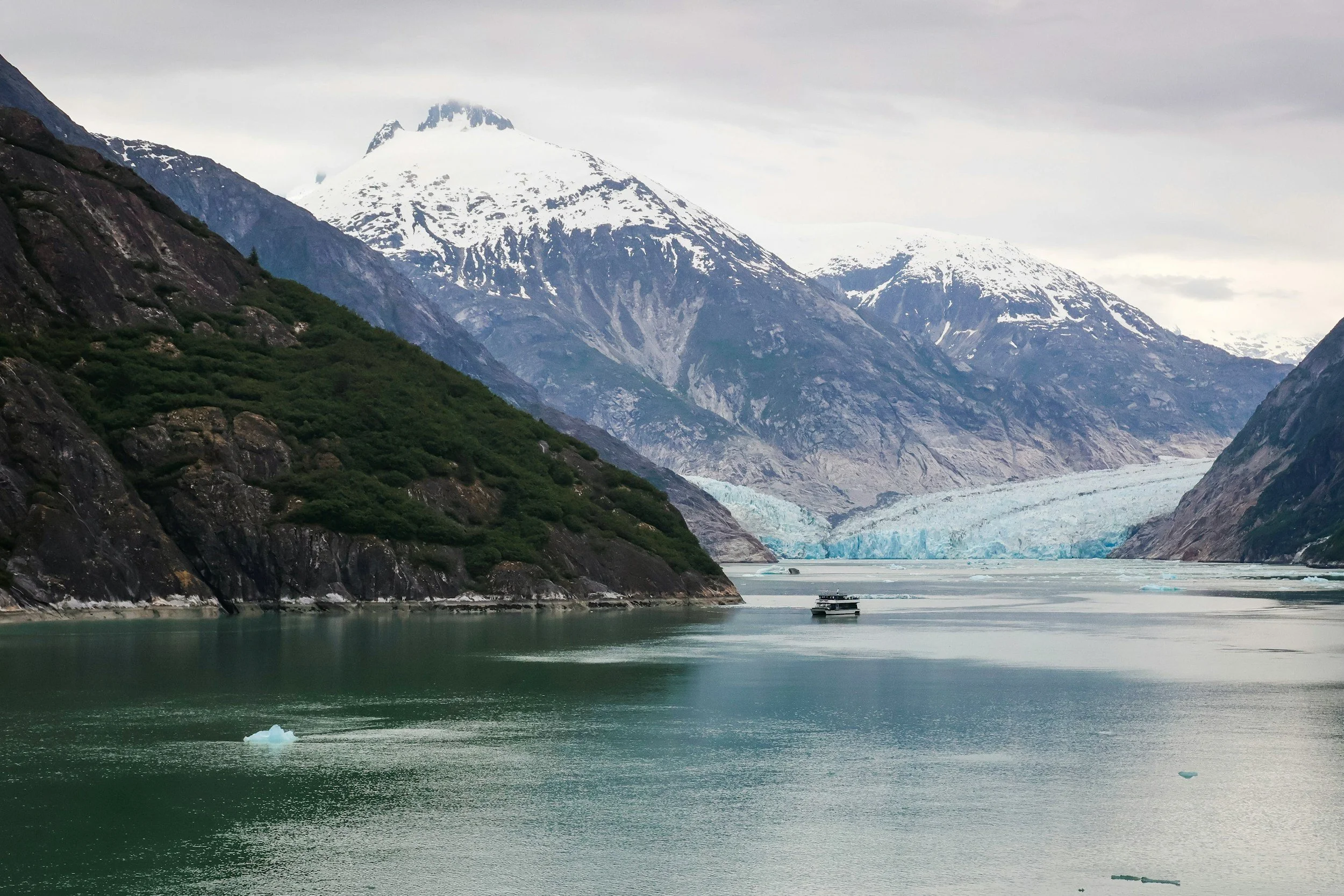
The canonical Inside Passage itinerary touches several of: Juneau (capital, Mendenhall Glacier nearby, the de facto small-ship hub), Skagway (Klondike Gold Rush historic district, the White Pass railway), Ketchikan (totem-pole capital, salmon-fishing capital, traditionally the first port after Seattle/Vancouver), Sitka (the most Russian-influenced Alaskan town, gorgeous setting, often skipped by larger cruises), Haines (smaller, less developed, the locals' favorite), Glacier Bay National Park (the big-cruise headline, restricted entry, glacier-front day from the deck), and Tracy Arm or Endicott Arm (deep narrow fjords with hanging glaciers, reachable by smaller ships).
Small-ship and luxury itineraries access more of the off-the-beaten-path stops. Big-cruise itineraries cover the famous five (Juneau, Skagway, Ketchikan, Sitka, Glacier Bay). Either approach is valid; the question is what you're optimizing for.
What I'd recommend
For most aurora-trip travelers continuing into the Inside Passage, I'd recommend a small-ship line — UnCruise Adventures or Alaskan Dream Cruises specifically — for the late May / early June window. The depth of experience matches the kind of traveler who chose the hosted Fairbanks trip over a big bus tour. The pricing is meaningful but not luxury-tier insane. The boats hit the small Native villages and remote inlets that don't appear on the big-ship itineraries. And the small-group dynamic mirrors the dynamic of the March trip — likely with some of the same travelers, since hosted-trip alumni tend to want to keep traveling together.
For travelers who want the luxury-tier version, Lindblad / National Geographic is the standout — best naturalist program in the segment, best expedition equipment, best dining, and the National Geographic credentialing layer travels well in the right circles.
For travelers who want the most authentic and least-curated version, the Alaska Marine Highway is genuinely the right call. The version of Alaska you see from the state ferry is the version Alaskans see.
The Inside Passage
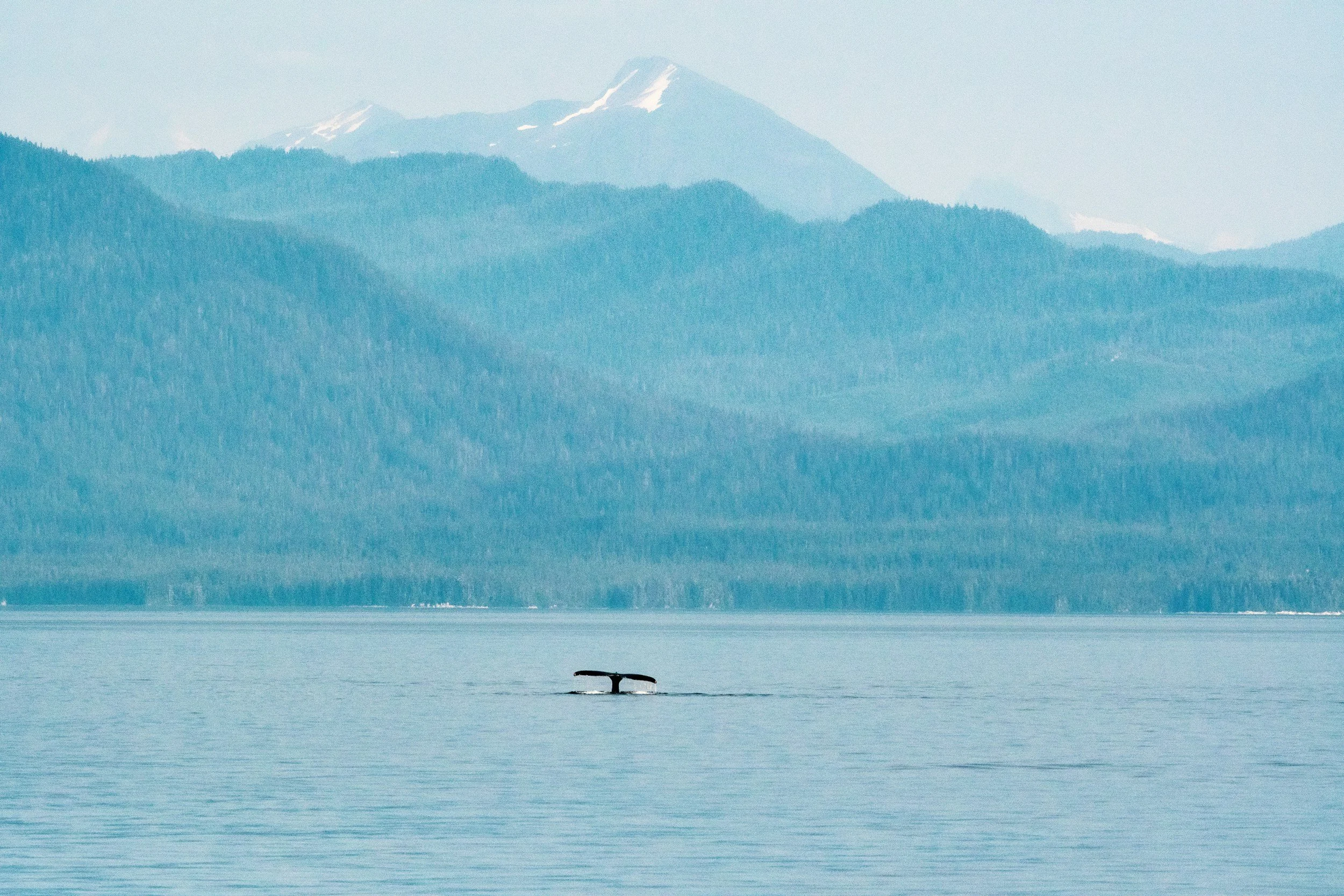
The Inside Passage is what most people picture when they picture Alaska. The protected coastal waterway that runs from southeast Alaska down through British Columbia and into Washington State, dotted with old fishing towns, glacier-carved fjords, and small cities built when the Russians ruled the territory. The canonical Alaska summer experience.The two big questions: how do you do it, and when do you do it.
How to do it
There are four ways to experience the Inside Passage, in roughly increasing order of curated experience and price.
The Alaska Marine Highway System.
The state ferry network — public transportation that just happens to run one of the world's most scenic routes. You can ride from Bellingham, Washington, all the way to Skagway and Haines with port stops along the way; you book your own meals (or BYO from the ferry shop), sleep in a cabin or in the solarium-style covered deck, and travel exactly the way Alaska residents travel. Cheapest, most authentic, requires the most independent-traveler comfort. About $400-$1,500 per person depending on routing and cabin class.
The big cruise lines (Princess, Holland America, Royal Caribbean, Norwegian).
The standard Alaska summer cruise — 7-day itineraries from Seattle or Vancouver to Skagway and back, with port stops in Juneau, Skagway, Ketchikan, sometimes Sitka. Inside-cabin pricing starts around $1,200 per person; balcony cabins start around $2,500. Easy, well-known, what most cruise-curious Alaska travelers default to. The right call if you want the cruise infrastructure (entertainment, multiple restaurants, casino, spa) and aren't bothered by the 3,000-passenger headcount.
Small ship lines (UnCruise Adventures, American Cruise Lines, Alaskan Dream Cruises).
This is the version most aurora-trip travelers will gravitate toward — 60-100 passengers per ship, expedition-style itineraries with kayaking, paddleboarding, hiking off the ship, naturalist-led wildlife watching, frequent stops in small Native villages and remote inlets the big ships can't access. Pricing typically $5,000-$10,000+ per person for 7-10 nights. The right call for travelers who want depth over coverage and small-group intimacy over cruise-line scale.
Luxury expedition lines (Lindblad / National Geographic, Seabourn, Silversea, Ponant).
The top tier — National Geographic naturalists onboard, expedition equipment (Zodiacs, kayaks), high-end dining, all-inclusive structure. Pricing $10,000-$25,000+ per person for 7-12 nights. The right call when budget isn't the constraint and the trip is the no-compromise version.
Where you'd actually stay
Three lodges define the deep-park Denali experience:
Camp Denali — the canonical experience, 90 miles into the park at Wonder Lake, family-owned since 1951, all-inclusive structure with naturalist-led day excursions. Cabins rather than rooms. Three-night minimum stay because of the access logistics; most travelers do 4-5 nights. The legacy lodge that everyone in the wilderness-lodge world references.
Kantishna Roadhouse — also at the end of the park road, slightly more lodge-style than Camp Denali, similar all-inclusive structure with daily activities (mountain biking, hiking, gold-panning history, naturalist programs). Less rustic than Camp Denali, more of a traditional roadhouse feel.
Denali Backcountry Lodge — the third deep-park option, similar pricing and structure, more focus on hiking and rafting day-trips.
All three are roughly comparable on quality and price ($1,500-$2,500+ per person per night, all-inclusive). The choice is mostly about the specific cabin/lodge feel that resonates and which one has availability for your dates. (Booking 12-18 months ahead is normal for these lodges in peak season.)
For travelers who want the entrance-area experience without committing to the deep-park lodges, the Mt. Healy Overlook lodges at the park entrance (Denali Princess Wilderness Lodge, McKinley Chalet Resort) are the canonical option — closer to roadside hotel than wilderness lodge, but the launching point for shorter day-tour bus trips into the park.
What I'd recommend
For first-time Denali travelers, Camp Denali for 4 nights in late June is the canonical recommendation. It's the deepest version of the experience, the lodge that defines the category, and the right introduction to interior Alaska wilderness. Trade-off: it sells out 12-18 months ahead and books are non-trivial to get during peak season.
For travelers who can't get Camp Denali availability (or who want a slightly more accessible version), Kantishna Roadhouse or Denali Backcountry Lodge are equally good substitutes.
For travelers who want a lighter version — Denali as part of a longer Alaska trip rather than the destination of it — the entrance-area lodges with a single deep-park bus day-trip is workable. Less of the experience, but doable in 2-3 nights and easier to combine with an Inside Passage trip or an Anchorage anchor.
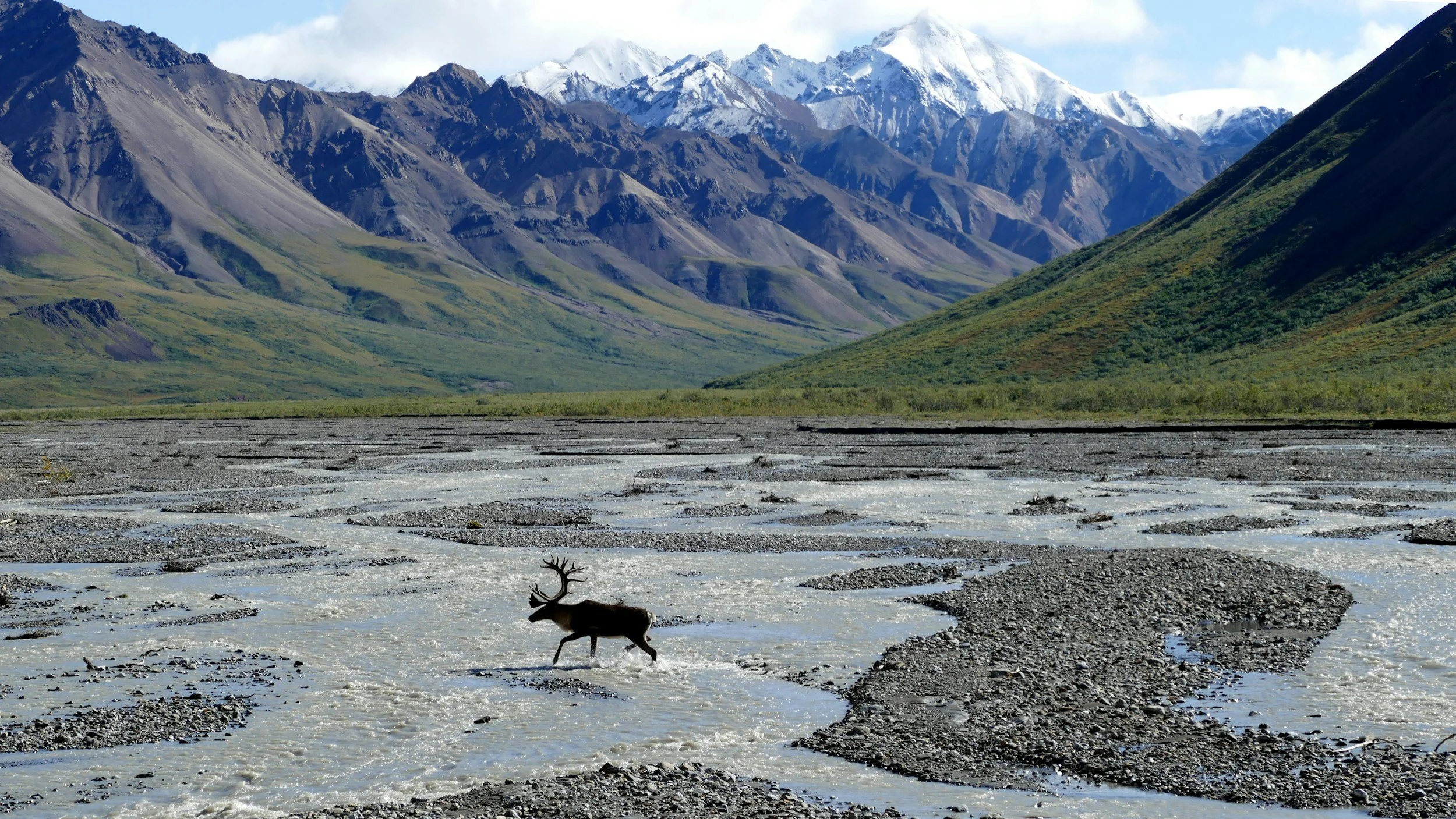
Denali
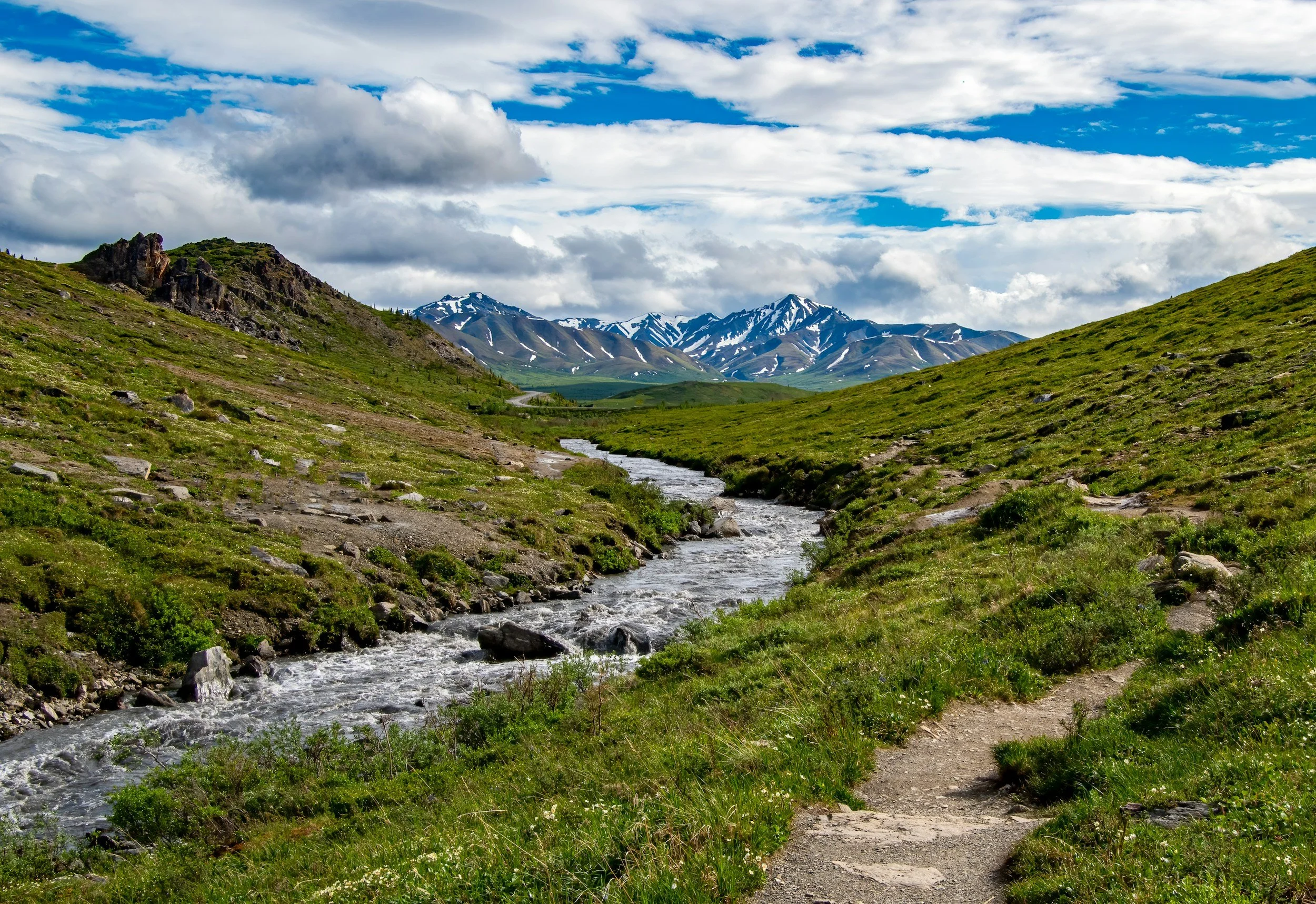
Denali is interior Alaska's national park — 6 million acres centered on the highest peak in North America (20,310 feet). Most American travelers know Denali as the famous mountain; fewer know that the park itself is roughly the size of New Hampshire, mostly accessible only by a single 92-mile road (the Denali Park Road), and that the canonical Denali experience is multi-day lodging at one of three deep-park lodges that put you 60+ miles into the wilderness.
This is a different category of trip from the Inside Passage. The Inside Passage is coastal, urbane (relatively), and ship-based. Denali is interior, remote, and lodge-based — closer in shape to an African safari than to most US national park trips.
When to go
Denali's peak season is late May through early September — the window the road is open and the deep-park lodges operate. Outside that window, the road is closed past Mile 15, the lodges are closed entirely, and "Denali in winter" becomes a different (and much smaller) trip — primarily ranger-led activities at the entrance area, dog-mushing experiences, and the occasional aurora viewing from the entrance lodging.
For most travelers, June or early July is the canonical Denali month — the deep-park lodges are open, wildlife viewing is peaking, the day length is at its longest (24-hour daylight at the solstice), and the road is at its most accessible.
How to Build a Multi-Trip Alaska Arc
For travelers who came on the March 2027 hosted aurora trip and want to keep going with Alaska, here's the canonical multi-trip framework I'd build with a client:
Trip One
March 2027
Aurora & interior winter Alaska
The hosted Fairbanks trip Liz and I run. Six days, fourteen travelers. Introduces you to interior Alaska in winter, which most travelers never see.
Trip Two
Late May or June 2028
Inside Passage by small ship
The summer counterweight. Coastal Alaska, glaciers from the deck, the Native and gold-rush coastal towns, wildlife from the water. 7-10 nights on a small-ship line; ideally with some of the same travelers from the March hosted trip — the hosted-group dynamic transfers.
Trip Three
June or July 2029
Denali deep-park lodging
The interior wilderness counterpoint to the coastal Inside Passage. 4-5 nights at Camp Denali or equivalent; possibly extended with an Anchorage front-end and a Talkeetna stop on the way (the small artists' town that's the canonical Denali launch point).
That's three trips, three years, three different versions of Alaska — and at the end you've seen more of the state than 95% of travelers ever will. It's also a logical way to be a multi-trip Erik client without it ever feeling like a sales sequence: each trip is a complete experience that earns the next one.
For travelers who want to do Trip 2 or Trip 3 on a faster timeline — combining multiple arcs in the same calendar year — that's also workable but requires more committed planning. Most travelers naturally pace themselves.
What I'd Skip
Treating the Inside Passage as just "another cruise." The big cruise lines do their version well, but if cruising itself isn't otherwise your travel style, the small-ship version is closer to what you'll actually want.
Trying to do Denali in winter unless you're a genuine winter-wilderness specialist. The summer experience is the real Denali. Winter Denali is for ranger-led day-trippers and serious cold-weather adventurers; it's not the introduction to the park most travelers want.
Booking lodges or small-ship cabins less than 9 months out for peak season. Inside Passage small-ship and Denali deep-park lodges sell out 9-18 months ahead during June-August. If you're aiming for a particular date, plan accordingly.
Adding Inside Passage or Denali directly to the back of the March winter trip. It rarely works because of seasonality. Plan the second trip as a separate calendar arc, ideally with 12+ months of lead time.
From the Journal
Why We're Going to Alaska in March (And Why You Should Come) — the pillar post on the March 2027 hosted trip.
Anchorage Travel Guide — the city anchor for either Inside Passage or Denali extensions.
Fairbanks Travel Guide — the canonical aurora destination.
Travel With Erik — Rivers & Small Ships — the small-ship specialty page; the Inside Passage thinking is a natural fit.
Plan With Me
If you're thinking about Alaska as a multi-trip relationship — the March winter aurora trip plus an Inside Passage summer trip plus a Denali deep-park trip eventually — I plan all three arcs. The right pacing is usually 12-18 months between trips; the right operators and lodges typically book that far ahead anyway.The March 2027 hosted trip is the entry point Liz and I are running. Subsequent Inside Passage and Denali trips are bespoke — we don't run group trips for those (yet) but we've planned plenty of them for clients.Start a discovery call — let's talk about your full Alaska arc, not just the next trip.
Last updated: April 2026. I keep this guide current. If a hotel I recommend slips, a museum changes hours, or a market moves, the page changes. Travel changes. The work doesn't stop when the page goes live.