
DESTINATION GUIDE
The Amalfi Coast, the Way I'd Plan It
An advisor's guide — opinionated, useful, and built for travelers who want dramatic cliffs, slow pace, and the version of Mediterranean that earns the cliché.
About the Destination
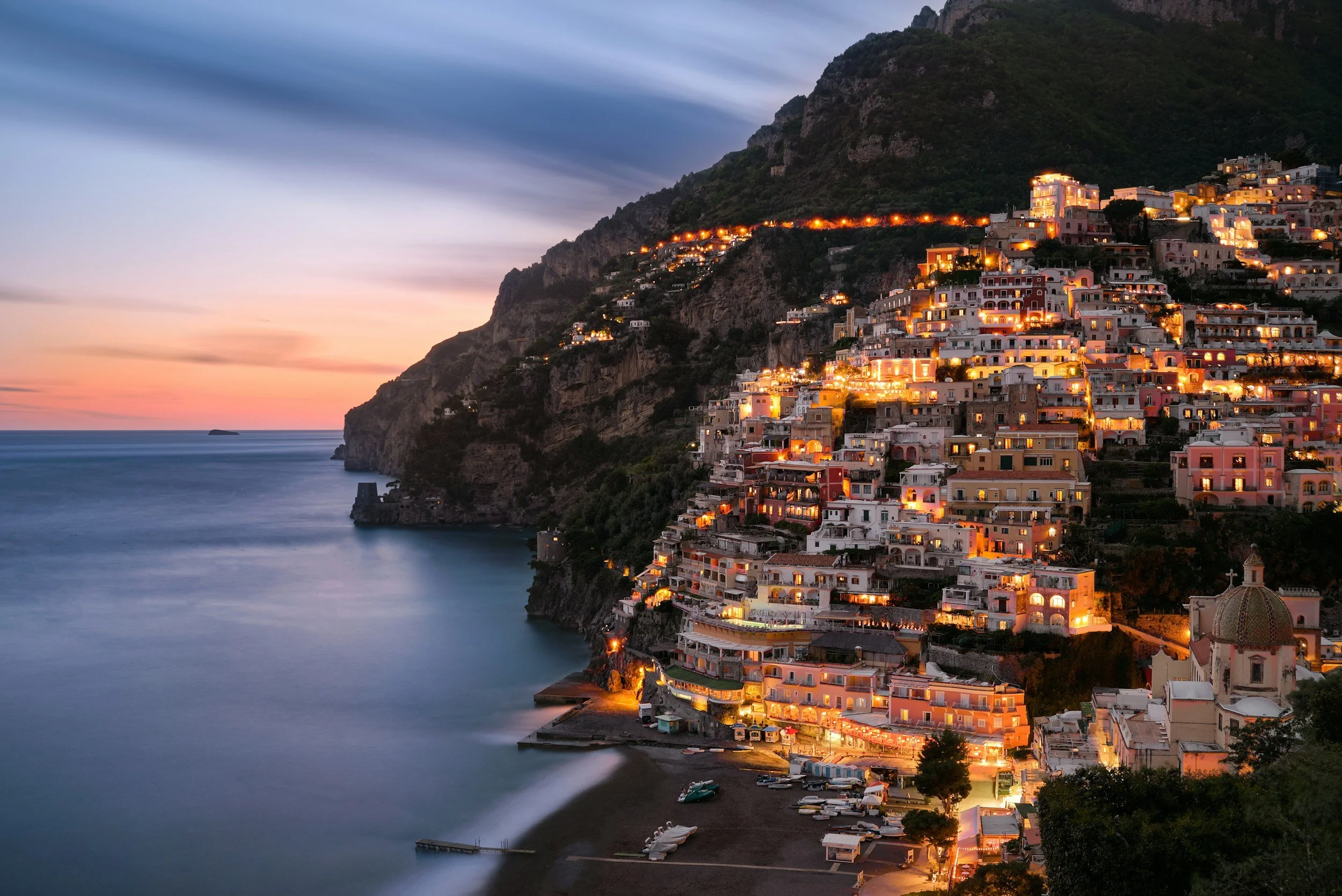
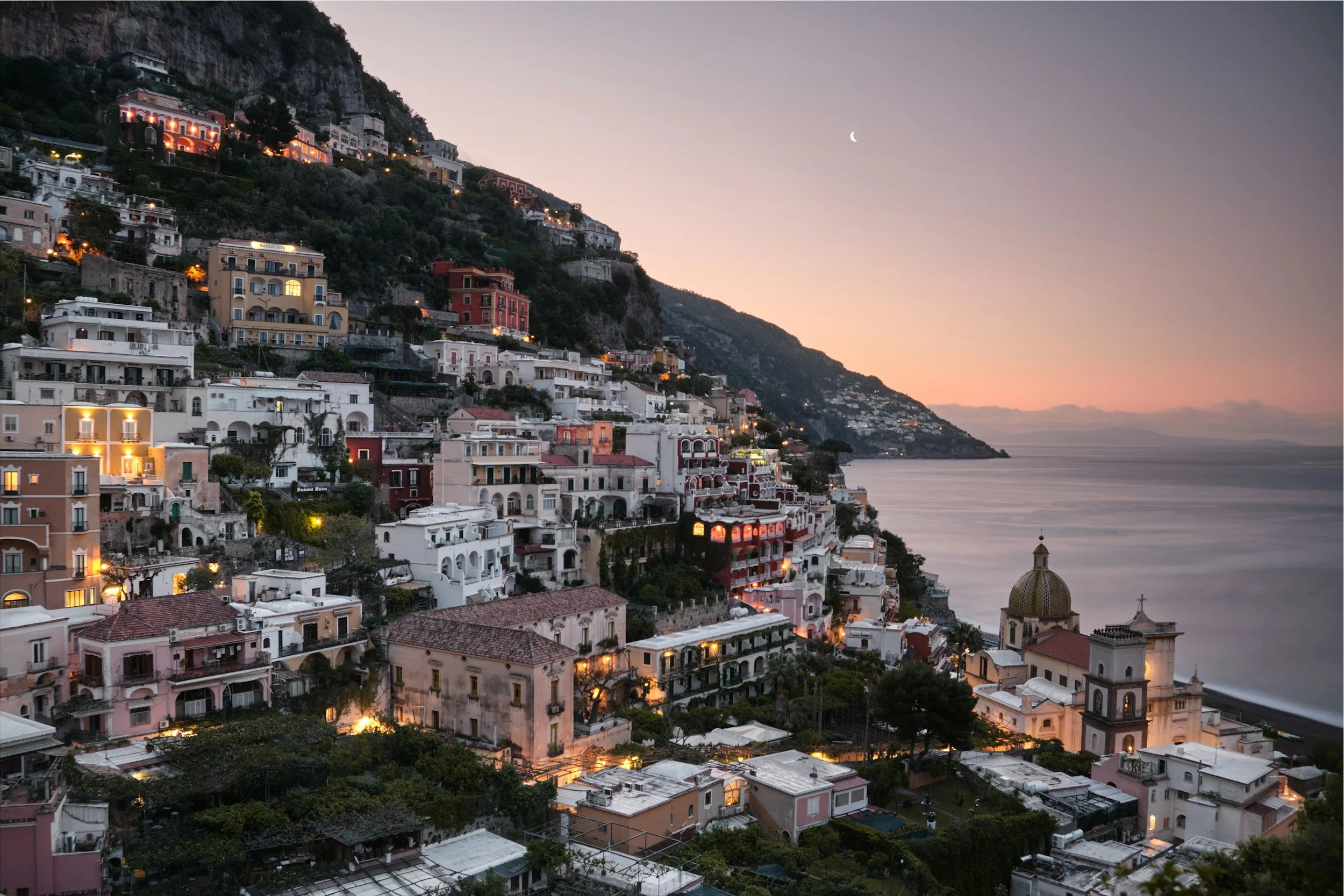
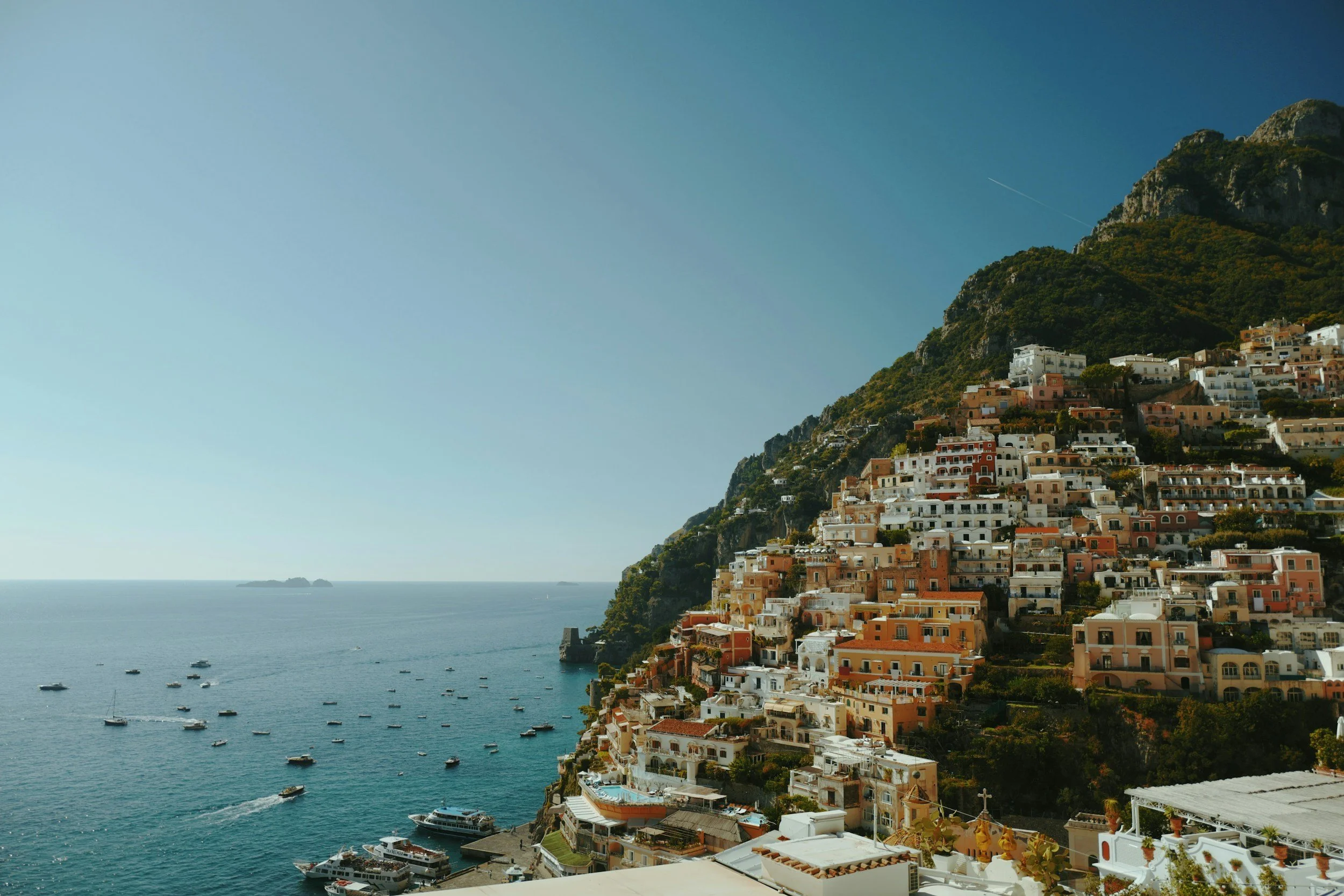
The Amalfi Coast earns its reputation honestly. The coastline is one of the most dramatic in the Mediterranean — vertical cliffs, pastel villages clinging to the rock face, switchback roads that descend to the water, a landscape so perfect it looks photoshopped. The smell of lemon blossoms in spring. The kind of light that exists in Renaissance paintings and nowhere else. The restaurants that open directly onto the water, where you eat fish you didn't know you wanted and drink white wine at lunch because there's no other choice.
But the Amalfi Coast is also the single most compressed destination in Italy — five small towns clustered over thirty kilometers of coastline, each worth a night or two, each different enough to matter. Most travelers treat it as a day-trip add-on to Rome or a layover between cities, which is the fastest way to miss it. The Coast works only when you commit.
There's Positano, the smallest village and the most photographed — cascading pastel buildings down to a beach, high-end restaurants, the honeymoon capital of the Coast. There's Ravello, perched on the cliff above Positano, quieter, more refined, gardens and sea views and a classical music scene. There's Amalfi itself, the working town with the actual harbor and the medieval history. There's Sorrento, larger and more resort-feeling, the gateway from Naples and the jumping-off point for Capri. And there's Capri, the island — dramatic, exclusive, expensive, and genuinely worth the boat ride for the right traveler.
Plus Pompeii, the ancient Roman city buried by Vesuvius in AD 79 — a half-day trip from the coast if you want archaeological context for the region's Roman history.
Most clients come to me asking about the Amalfi Coast in one of three ways: as a honeymoon destination (Positano or Ravello anchoring a 4–5 night escape), as part of an Italy multi-destination sweep (Rome → Amalfi Coast before or after), or as a slow-travel destination where two or three nights per village are the point.
Here's how I think about it:
Best time to visit
April–early June (spring light, lemon blossoms, water warming) and September–October (golden light, water still swimmable, crowds thinning). Avoid July–August — peak heat, peak crowds, restaurants booked weeks out, the magic of the place replaced by logistics. December–February is quiet and cool; winter storms can close the coastal road.
How long to stay
Minimum four nights on the coast to feel it settle. Five to six is better — enough to anchor in one village for two nights, day-trip to another, and not feel rushed. Two nights is a day-trip pace and misses the point. If Rome is in the equation, the classic arc is Rome → Amalfi (4–5 nights) → back to Rome, or Rome → Amalfi → Venice as an extended Italy sweep.
Currency / Language
Euro. Italian is official. English is less widely spoken in smaller villages. The Amalfi Coast phrase: limoncello — the lemon liqueur that's the region's signature. Every shop sells it; the homemade versions at small bars are the best.
How to get there
Fly into Rome (FCO) or Naples (NAP). From Rome, drive south (2.5–3 hours to Sorrento, then another 45 min down the coast to Positano). From Naples, drive south (1.5 hours to Sorrento, then down). A private driver is worth every euro — the coastal road is one of the most dramatic and demanding drives in Italy.
One thing guides won't tell you
The coastal road closes periodically due to rock slides, weather, or landslides. Check road conditions before driving; most travelers don't. A private driver knows the conditions. From Positano, you can also ferry-hop between towns instead of driving — the Amalfi boats run May–October and are infinitely more pleasant than the road.
Why I Send Travelers Here
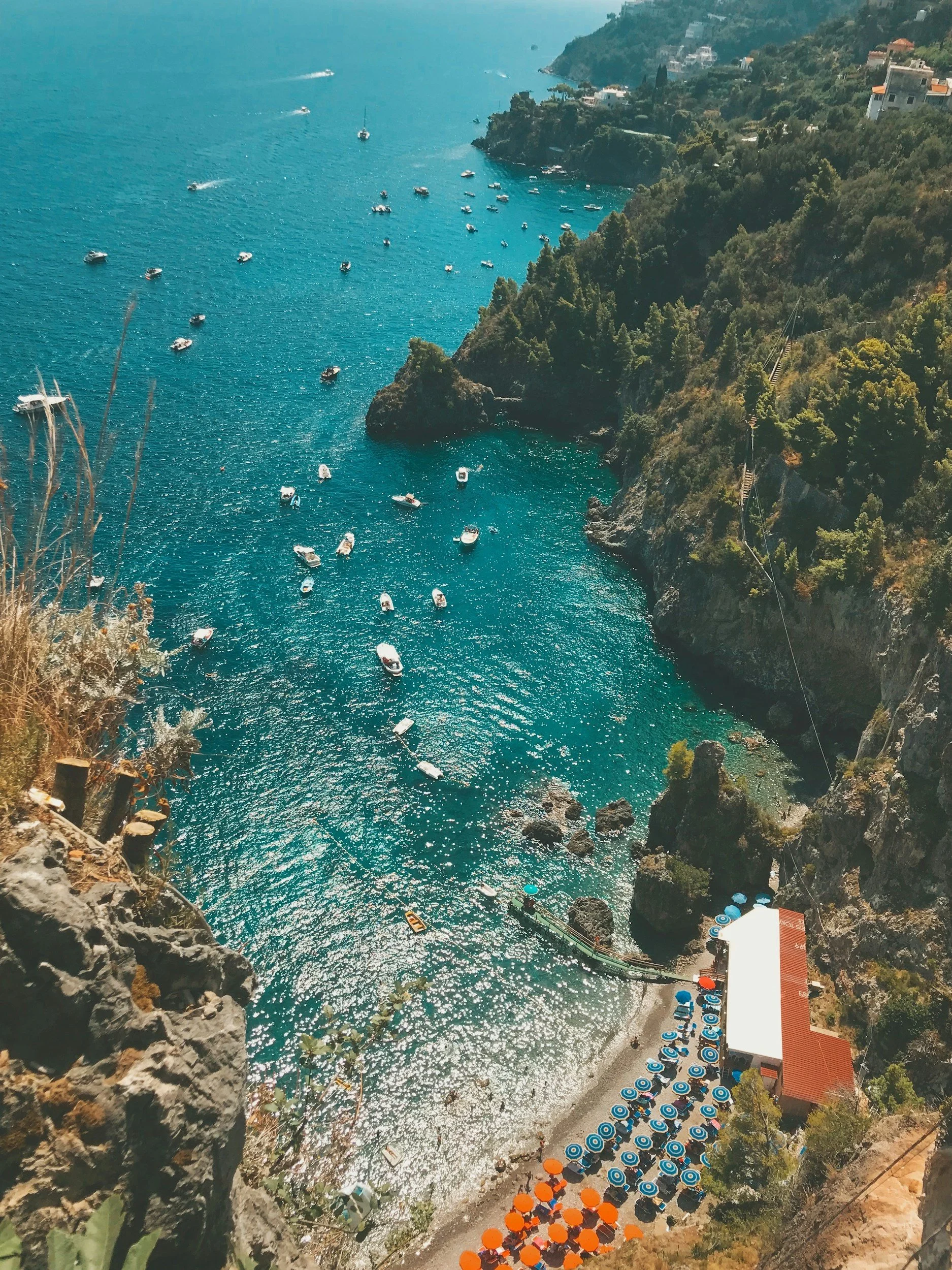
Because the Amalfi Coast is the place where the cliché becomes earned. The postcard image of pastel villages, turquoise water, and vertical cliffs is not exaggerated; it's accurate. The restaurants that open onto the water, where the tablecloth blows in the sea breeze and the pasta arrives still hot from the kitchen, are real. The kind of slow time that happens when you're eating at a table overlooking the Mediterranean at 2 p.m. on a Tuesday, with no schedule, is the kind of time most travelers never experience.
I send honeymooners here for the romance of the place and the forced slowness that the landscape imposes. I send couples celebrating anniversaries or milestones for the same reason. I send travelers combining Italy with a week of Mediterranean pacing — less architecture, more water, less museum fatigue, more long lunches. I send slow-travel anchors for a five-night stay in Positano or Ravello where the days are entirely unscheduled.
Every recommendation below comes from the lens of how I plan the Amalfi Coast for the clients I send, the five hotel relationships I've locked in, and a clear point of view about which villages earn which kind of traveler and which experiences are worth the queue versus which are tourist tax in sea-view disguise.
Where I'd Anchor
Five distinct villages, each with a different character and a different reason to land:
-
Positano (The Honeymoon Capital)
The smallest, most photographed, most expensive. Pastel houses cascade down the cliff to a small beach. Shops and galleries. A tiny harbor. The village is so vertical that the "main street" is actually vertical — a steep set of steps with shops on either side. It's beautiful, it's expensive, and it's built for couples. Honeymooners, anniversaries, milestone trips. One to two nights max — after that, you've seen the same hundred meters from every angle.
-
Ravello (The Quiet Refined Alternative)
Perched on the cliff above Positano, 365 meters up. Quieter, smaller (fewer tourists), more refined. The two great gardens (Villa Cimbrone and Villa Rufolo) with vertiginous views of the coast. A classical music scene with concerts in summer. Better for second-time Amalfi visitors or travelers who want beauty with less crush.
-
Amalfi (The Working Town)
The largest of the villages, the one with an actual working harbor and medieval history. The Cathedral sits on the main piazza. The waterfront has character. Less Instagram-famous than Positano but more real — the place where locals actually live and fish. Underrated. Better for travelers who want towns over photo ops.
-
Sorrento (The Hub)
Larger, more resort-feeling, built on a peninsula. The gateway town from Naples (30 minutes away), the jumping-off point for Capri ferries (25 minutes), the base for day trips to Pompeii. Less romantic than Positano, more practical. Better for travelers who want access and variety over Instagram perfection.
-
Capri (The Island)
Twenty minutes by ferry from Sorrento, a completely different ecosystem. Expensive. Exclusive. Dramatic. The Blue Grotto, the Faraglioni rock formations, cliff-top restaurants. A day trip is possible; a night or two is better. The island moves to its own rhythm.
-
For the Honeymoon Answer
Le Sirenuse in Positano is the iconic choice. A Rococo palazzo converted to a 60-room luxury hotel, perched on the cliff overlooking the beach. The rooms have sea views. The restaurant La Sponda is one of the most beautiful dining rooms on the coast — open to the water, lit by candlelight in the evening, where dinner extends until sunset fades. On my rate at the property, the amenity layer is real and quiet — calibrated to your dates and the suite category, with the property's in-house car service handling the difficult coastal road. The specifics get walked through on the discovery call.
-
For the Ravello Refined Pick
Belmond Hotel Caruso sits at the top of the cliff with gardens and infinity pools overlooking the coast. Smaller than Le Sirenuse (48 rooms), quieter, built around a Renaissance palazzo. The Ristorante Becca on the property is exceptional — less theatrical than La Sponda, more focused on the food. On my rate at the property, the amenity layer doesn't book direct, and the specifics — including access to the villa gardens outside hotel hours — get walked through on the discovery call.
-
For the Amalfi Working-Town Anchor
Hotel Santa Caterina sits on the waterfront with a lemon grove on the property (the fragrance is genuine), a private beach access, and an elevator carved into the cliff down to the water. Seventy rooms, genuinely charming rather than glamorous. On my rate at the property, the amenity layer is calibrated to your stay rather than itemized in advance — what applies depends on dates and the room category, and we walk through it on the discovery call. (Lemon-grove access comes with the property, no questions asked.)
-
For Sorrento
Capri Tiberio Palace (confusing name, it's in Sorrento, not Capri) is the full-service resort choice — 250 rooms, multiple pools, spa, variety of restaurants. Less intimate than Le Sirenuse, more practical for families or travelers who want more amenities. On my rate at the property, the amenity layer doesn't book direct, and the specifics get walked through on the discovery call.
-
For Capri
J.K. Place Capri is the boutique anchor — 22 suites, a private terrace with sea views, a spa, and a restaurant (Ostaria) that sources fish from local boats daily. Small enough to feel intimate, grand enough to deliver luxury. On my rate at the property, the amenity layer is real and quiet — calibrated to your dates and the suite category, and the specifics get walked through on the discovery call.
Want one of these properties? Start a discovery call — I'll match you with the village and the hotel that fit your timeline and vibe, and lock in the details that make the Coast work.
What I'd Do With Four to Five Days
This is the version I'd send you if you asked me to plan it tomorrow. Adjust to taste.
The Positano-Ravello Arc (Four Days)
Day One
Arrival in Positano Afternoon arrival (either drive from Rome or Sorrento, or ferry if you're coming from another coastal town). Check in, long lunch at the hotel restaurant or a beachfront spot. Afternoon walk the vertical village — up the main pedestrian steps, into galleries and shops, back down to the water. Sunset aperitivo on a terrace. Early dinner (the town's best tables book weeks out; the hotel books for you, or you eat at the hotel).
Day Two
Positano and the Emerald Grotto Morning swim or boat tour to the Emerald Grotto (a sea cave lit by light from underwater, creating an otherworldly green hue). Lunch back in Positano at a beachfront restaurant. Afternoon at leisure — shop, nap, read. Evening stroll the village as the light fades.
Day Three
Ravello Day Drive or take a private car up to Ravello (30 minutes, switchback roads). Morning walking the gardens of Villa Cimbrone (panoramic views over the coast) and Villa Rufolo (Renaissance architecture and more views). Lunch in Ravello at a local restaurant. Afternoon exploring the town's classical music venues (summer concert season runs May–October). Late afternoon drive back to Positano or stay overnight in Ravello.
Day Four
Departure or Extensions Morning in Positano. Lunch. Departure or extension (either stay a third night in Positano, or move to Capri or Sorrento via ferry or car).
The Amalfi-Sorrento-Capri Arc (Five Days)
Day One
Amalfi Arrival in Amalfi. Check in, walk the working harbor. Lunch on the waterfront. Afternoon at the Cathedral (12th-century, Arabo-Norman, one of the most beautiful on the coast). Evening exploring the piazza.
Day Two
Amalfi or Day Trip to Pompeii Option A: Stay in Amalfi, long lunch, afternoon at leisure, explore the surrounding villages (Atrani, Praiano — both smaller and quieter). Option B: Drive to Pompeii (1 hour away), spend 3–4 hours walking the excavated Roman city (pre-book a guide; walking alone is overwhelming), lunch in Naples or back in Sorrento, return to Amalfi by evening.
Day Three
Sorrento Drive or ferry to Sorrento (1 hour by car along the coast, ferry available May–October). Check in to a Sorrento property. Walk the town, eat on the waterfront, explore the lemon grove shops and galleries.
Day Four
Capri Day Trip Ferry from Sorrento to Capri (25 minutes). The Blue Grotto (the famous sea cave with electric-blue water) — book a private boat or join a tour. Lunch on Capri (the waterfront restaurants at Marina Piccola). Explore the town of Capri (the Piazza, the via Camerelle for shopping), the Faraglioni rock formations (boat tour). Return to Sorrento by evening or stay overnight on Capri.
Day Five
Departure or Extension From Sorrento, either fly out of Naples (30 minutes away), continue north to Rome, or stay a second night and slow down further.
Specific Things I'd Tell You
The coastal road is one of the most dramatic and demanding drives in Italy. Switchbacks, narrow lanes, seasonal closures due to rock slides or weather, and the fact that you're often one meter from a thousand-meter drop. A private driver costs €70–100/hour and is worth every euro. Most travelers don't realize how much easier their trip is when someone else navigates this road.
Positano is small enough that you'll walk the same streets multiple times. This is not a bug; it's a feature. You'll recognize the shop owners by your second day. You'll have a favorite coffee bar. That familiarity is the point.
The Blue Grotto on Capri requires perfect weather. Rough seas mean the cave closes. Overcast days mean the light doesn't work. Clear calm days and full sun are when the grotto lives up to its name. Book your visit with flexibility on dates if possible.
Ferries run May–October along the coast. The Amalfi-Sorrento-Capri ferry system runs seasonally. Check schedules ahead; it's a far better experience than driving the coastal road, and it lets you enjoy the views instead of white-knuckling the switchbacks.
The Amalfi Cathedral is a genuine medieval masterpiece. The 12th-century Arabo-Norman structure with its bronze doors and cloisters is worth 45 minutes of your time. Most travelers skip it for Positano photos.
Lemon is the region's soul. Limoncello (the liqueur), fresh lemon pasta, lemon risotto, lemon desserts. The lemon groves are on the property of many hotels — ask for a grove walk if you're interested.
Ravello's Villa Cimbrone has a vista that stops conversation. The garden terrace overlooks the coast from a vantage point so high and so expansive that your brain momentarily doesn't process it. It's worth a half-day trip up the mountain even if you're not staying in Ravello.
Pompeii requires either a guide or an audio guide. Walking alone through a 2000-year-old Roman city without context is disorienting and exhausting. Book a private guide (€50–100 for a small group) or rent an audio guide at the entrance. The House of the Faun, the Amphitheatre, and the Street of Tombs are the headline sights, but the streets themselves — the bakery, the brothel, the ordinary shops — tell the story better.
What I'd Skip
The bus ride to Positano from the coast road if you haven't driven it before. The SITA buses navigate the switchbacks daily and the drivers are experts, but the experience is vertigo-inducing for first-timers. If you're comfortable, it's affordable and doable. If you're not, the private car or ferry is worth the cost.
Trying to visit Positano, Ravello, Amalfi, Sorrento, and Capri in two days. You'll hit every place and understand none of them. Pick two, give them real time, and save the rest for next trip. The Amalfi Coast is built for slowness. Respecting that rhythm is the entire point.
The touristy boat tours to the Blue Grotto if you can hire a private boat. The group tours are crowded and rushed. A private boat (booked through your hotel) costs more but gives you the grotto without the queue and at your own pace.
Positano at midday if you want to enjoy it. The village is 100% tourists from 11 a.m. to 4 p.m. The magic is early morning (7–9 a.m.) and evening (6 p.m. onward). Plan your day around those windows.
Restaurants advertising "authentic Italian cuisine" to tourists. The good restaurants know they'll be full of Italians. The obvious places are the tourist ones. Ask your hotel concierge for the neighborhood spot where the staff is speaking Italian, not expecting you to arrive.
For Honeymooners
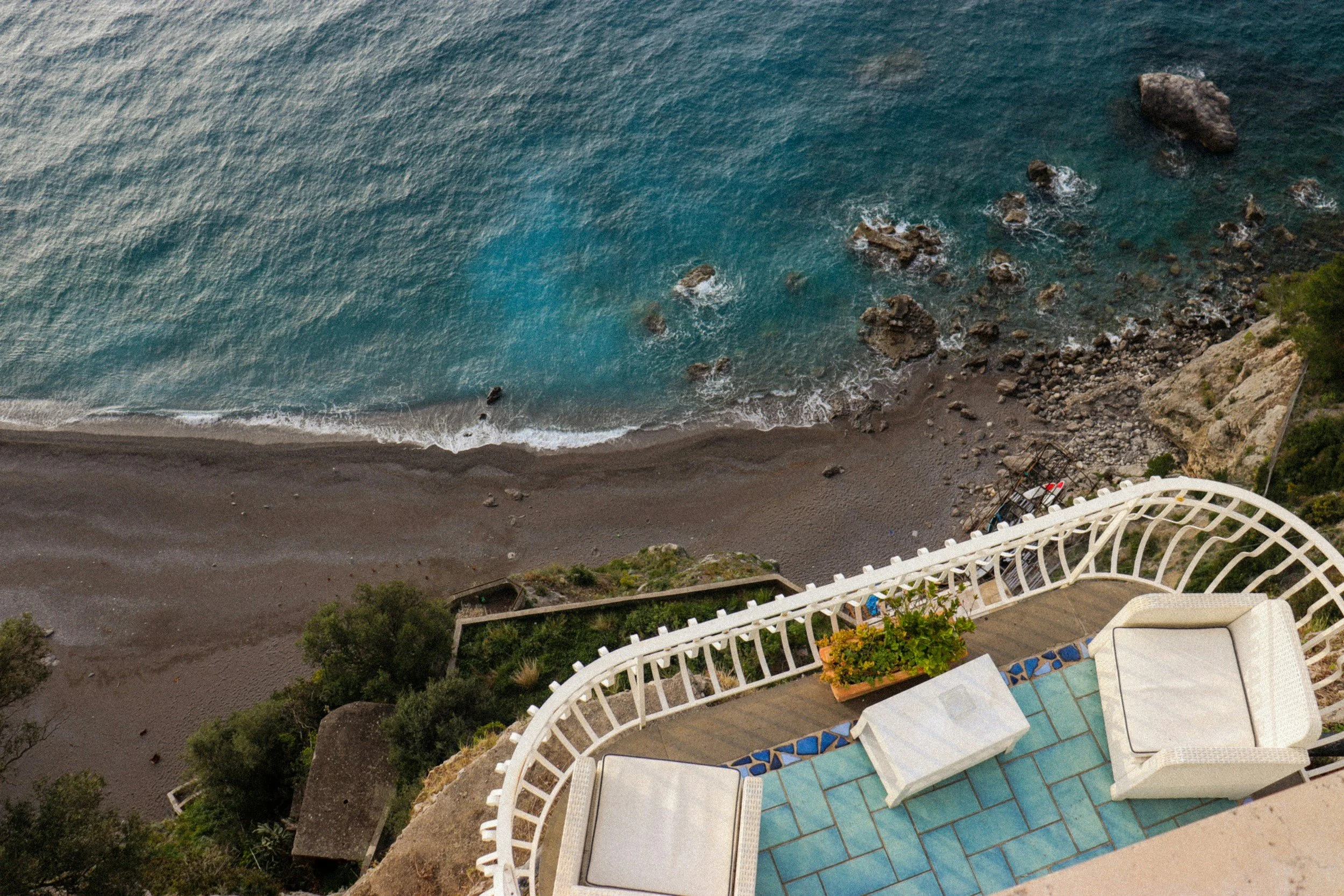
The Amalfi Coast is the honeymoon destination. Positano at Le Sirenuse is the cliché — and it's a cliché because it works. The room overlooking the water, the restaurant La Sponda lit by candlelight over the sea, the afternoon spent in the water, the evening spent on a terrace watching the light change. Ravello's Belmond Caruso is the quieter honeymoon answer — gardens instead of crowds, spa instead of photography spots, refinery instead of Instagram perfection.
The honeymoon week on the Coast: Two nights in Positano at Le Sirenuse. Boat excursion to grottoes, long lunches, slow pace. One night in Ravello at Belmond Caruso (the drive up the mountain resets the vibe). One night in Capri (J.K. Place Capri) for drama and island rhythm. One night back in Positano to finish where you started.
Or: Ravello for the full five nights (quieter, less touristy), with day trips to other villages.If you want me to design the full Amalfi Coast honeymoon, start a discovery call.
For Slow Travelers
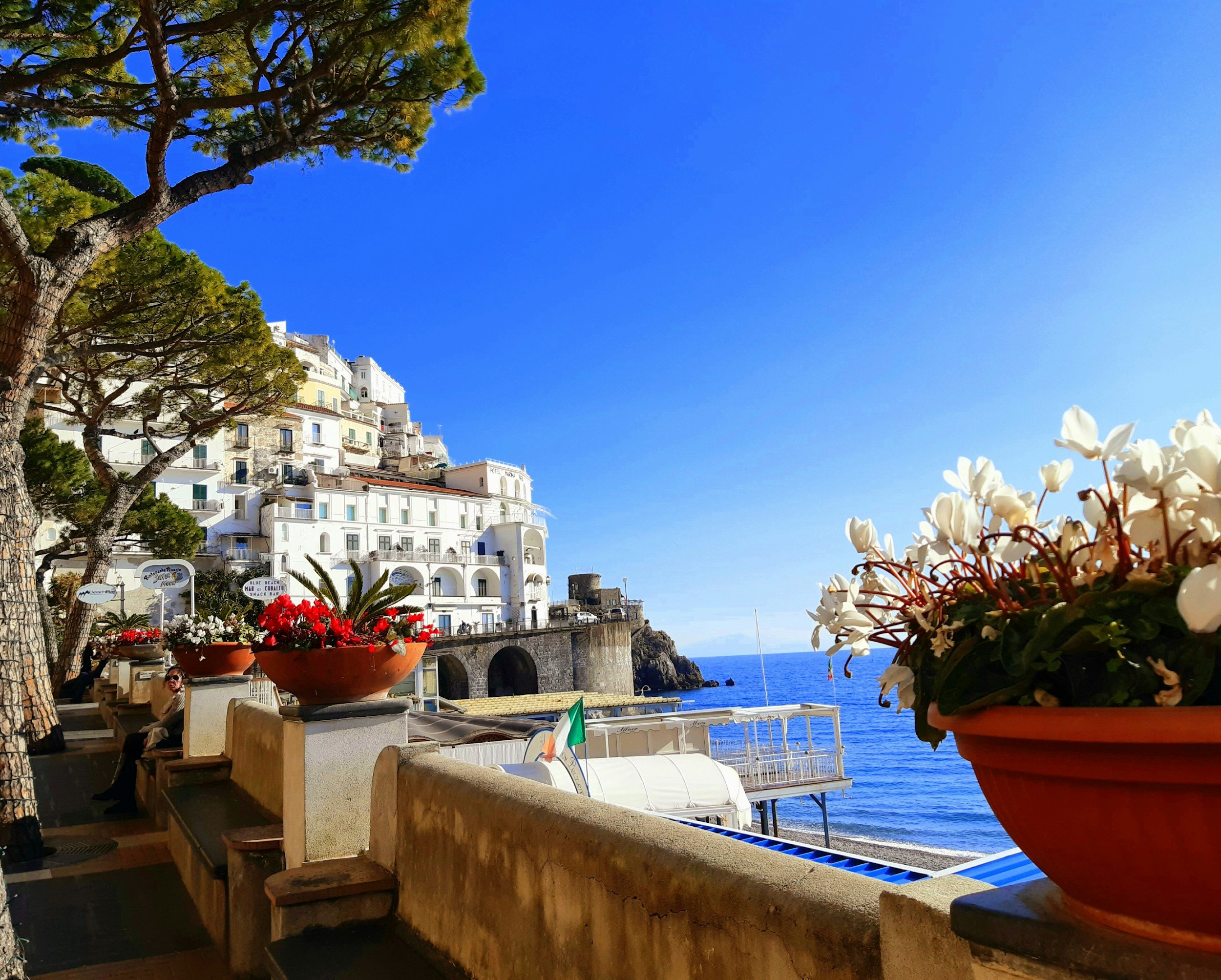
The Amalfi Coast's best version is the slow version. Pick one village — Positano, Ravello, or Amalfi — and commit for four to five nights.
Day structure: Early walk before the crowds. Long breakfast. Swimming or boat trip. Long lunch. Afternoon rest. Aperitivo on a terrace. Dinner. Repeat. By day three, you know the vendors, the restaurant owners, the rhythm. By day five, you've forgotten what day it is and stopped caring.
This is not a logistics trip. It's the opposite.
For Day-Trippers from Rome
If Rome is your base and you want a day trip to the coast:
Drive south to Sorrento (2.5 hours), walk the town, ferry to Capri (25 minutes), spend 3–4 hours on the island, ferry back to Sorrento, drive back to Rome (2.5 hours). Full day, back by late evening.
OR: Drive to Pompeii (2.5 hours), spend 3–4 hours walking the site with a guide, lunch in Naples or Sorrento, back to Rome. This is the archaeology version.
Neither is ideal. Both are better than not doing them. But the Amalfi Coast really requires committing — staying overnight, not rushing.
Plan the Amalfi Coast With Me
Whether you're thinking about the Amalfi Coast as a honeymoon, as a slow-travel escape, as part of an Italy multi-destination sweep, or as a Pompeii day trip from Rome — that's exactly the kind of planning I do. A 30-minute discovery call is where it starts. No fee, no pressure. Just the Coast, your timeline, and what you want to feel when you're eating pasta at a table overlooking the Mediterranean.
Last updated: April 2026. I keep this guide current. If a hotel shifts, a road closes, or a ferry schedule changes, the page changes. The Coast changes. The work doesn't stop when the page goes live.