Holding Someone's Becoming
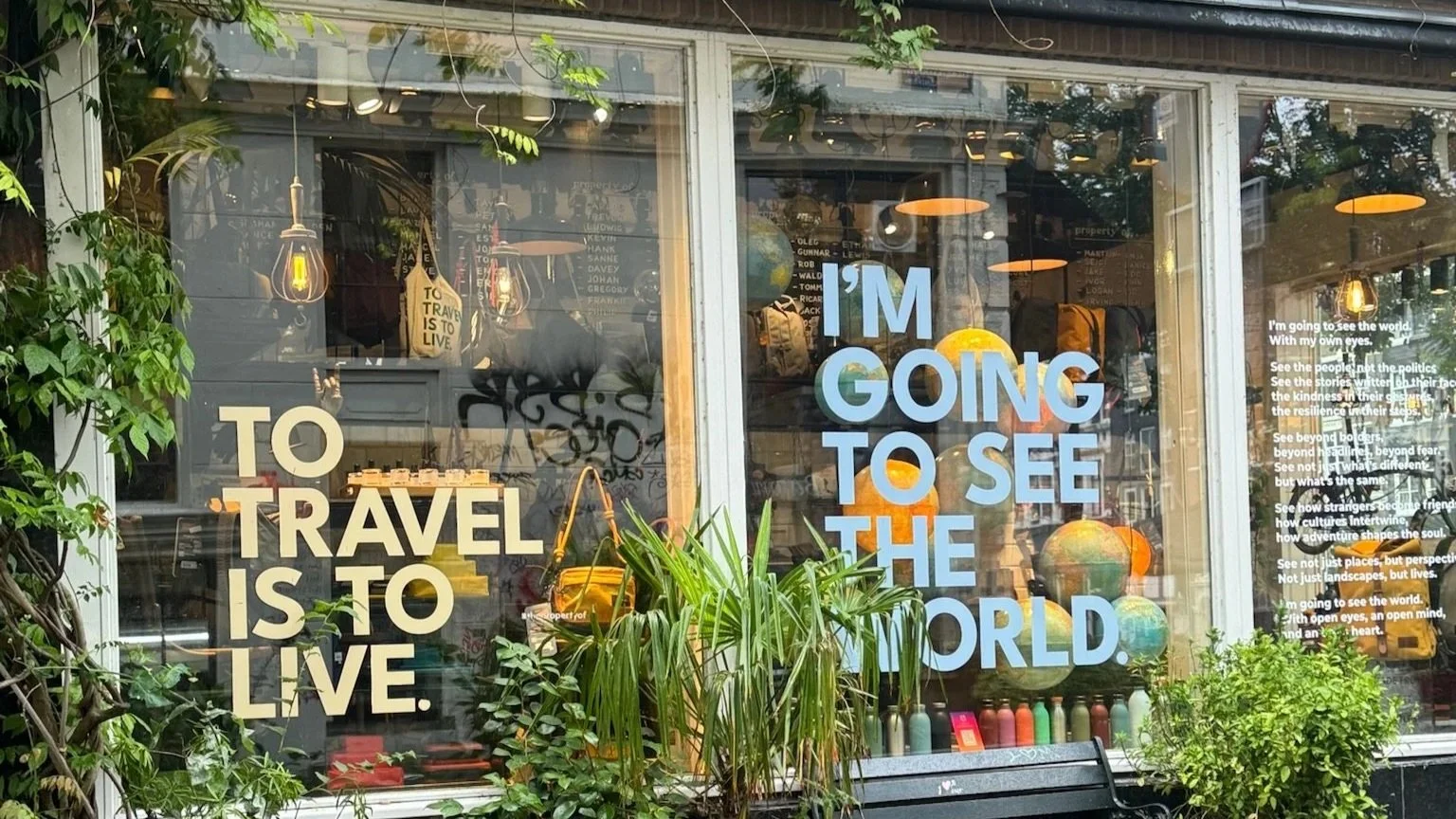
When someone calls you and says "I need 45 days in Europe," you listen for what they're not saying. Rachel wasn't looking for a vacation. She was looking for permission to disappear—and then maybe come back a little different.
She'd just ended a relationship. She wanted to reset. And when I heard that, I knew her itinerary couldn't be a checklist. It had to have space built into it. Room for spontaneity. Room for crying in a Roman café and then laughing at herself an hour later. Room for the kind of person you become when no one is watching you become it.
She came to me through a referral. That detail mattered. The person who sent her knew what she needed — not a curated highlights list, not someone who anticipated what she might want to see. Rachel needed something different. She needed to feel held.
We met over email first, then via Zoom—and she came to that call with opinions already forming. She loved food. She wanted the high holidays woven into her trip. She'd walked past a synagogue somewhere once and thought, "Maybe someday." Someday was now. She wanted to slow down in some places and move through others. She was traveling solo, but not because she was running from something; she was running toward something. There's a difference, and it matters how you build around it.
The fear of flying came up early. "Flying is one of my biggest fears," she told me — the transatlantic crossing alone was already rattling her before she'd packed a bag. I didn't minimize it. When we got to the Athens-to-Santorini leg, I gave her the math: the ferry is five to six hours through open water. The flight is under an hour. She chose the flight. And I made a note: This woman is braver than she knows.
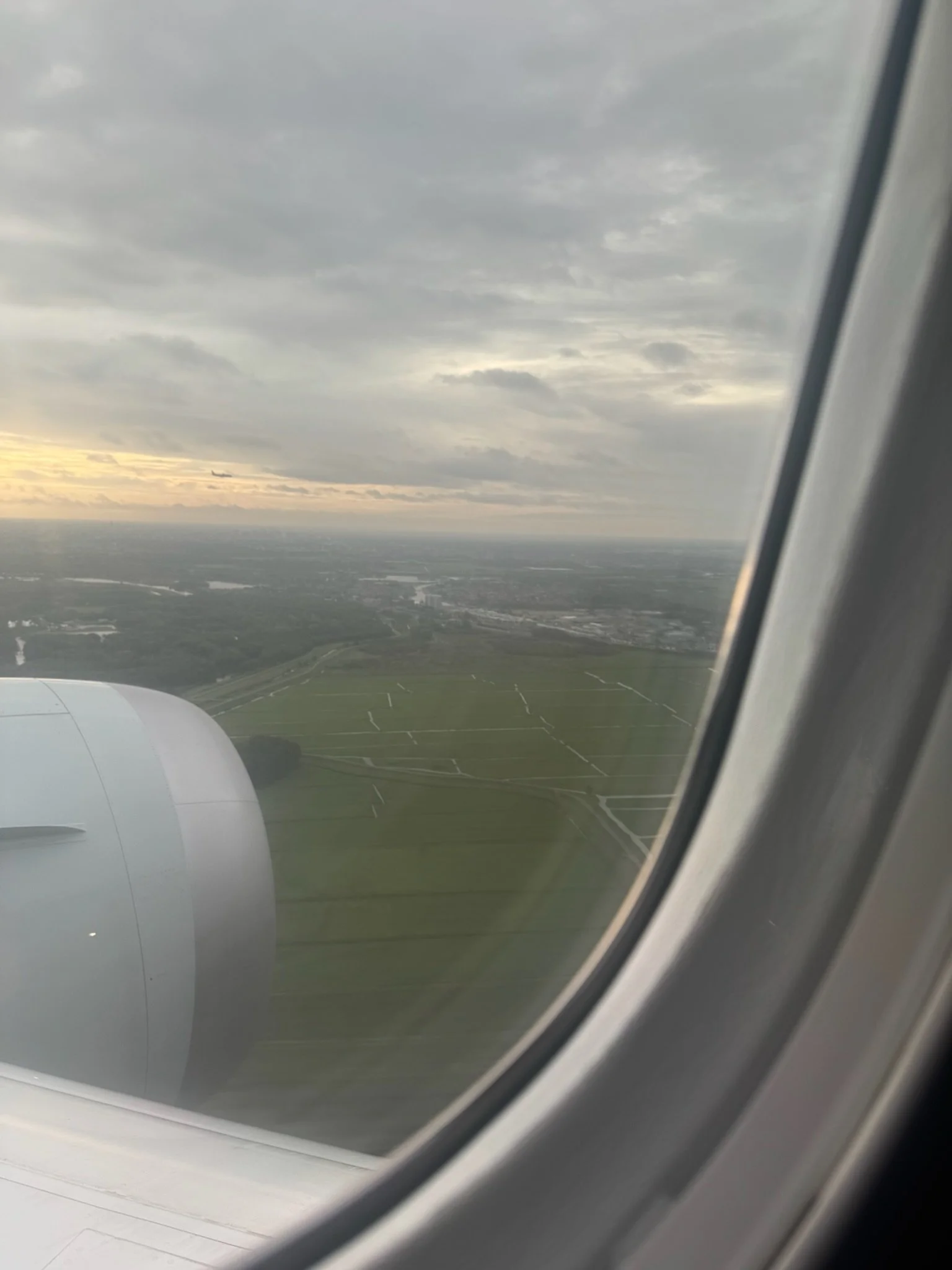
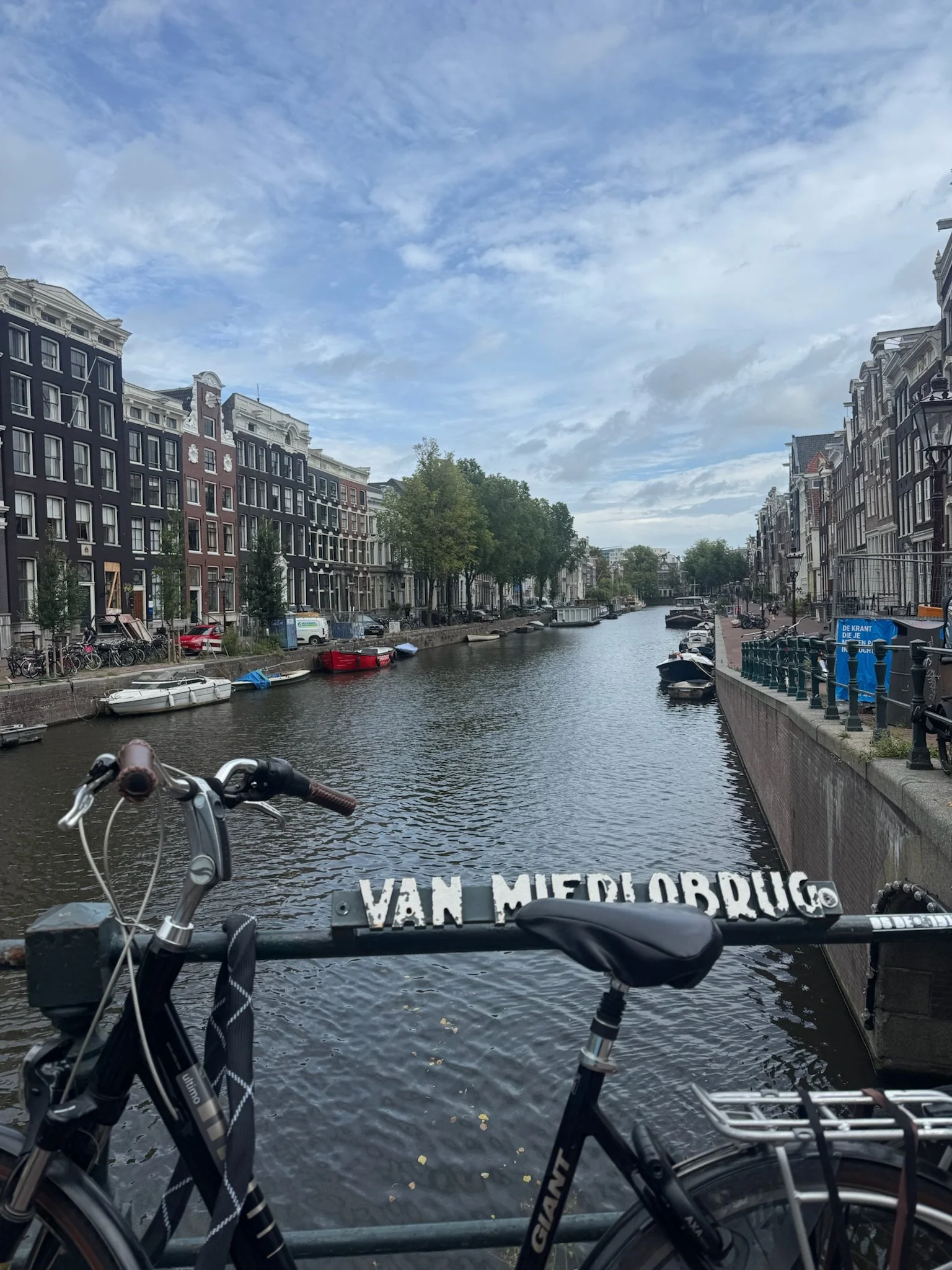
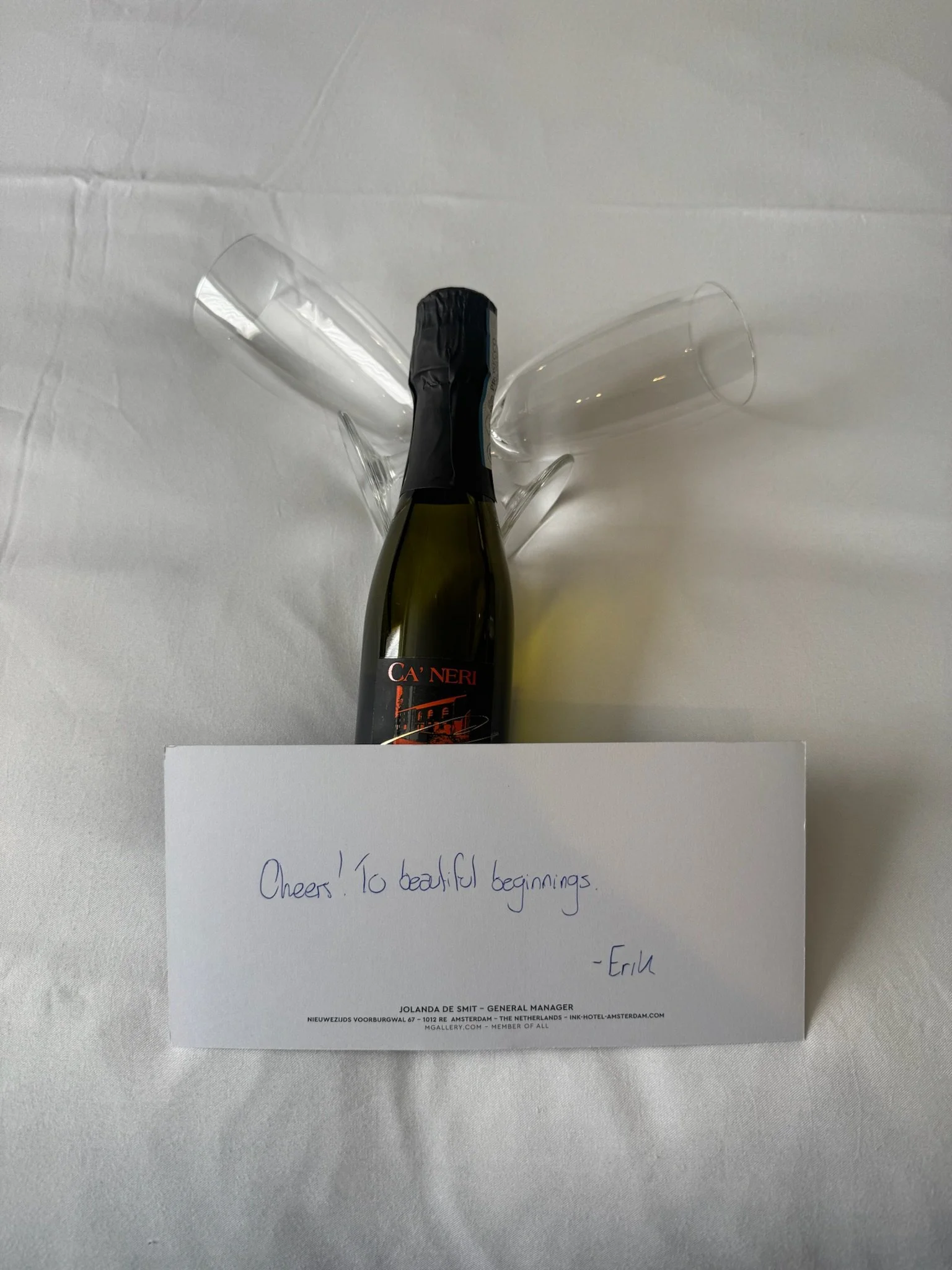
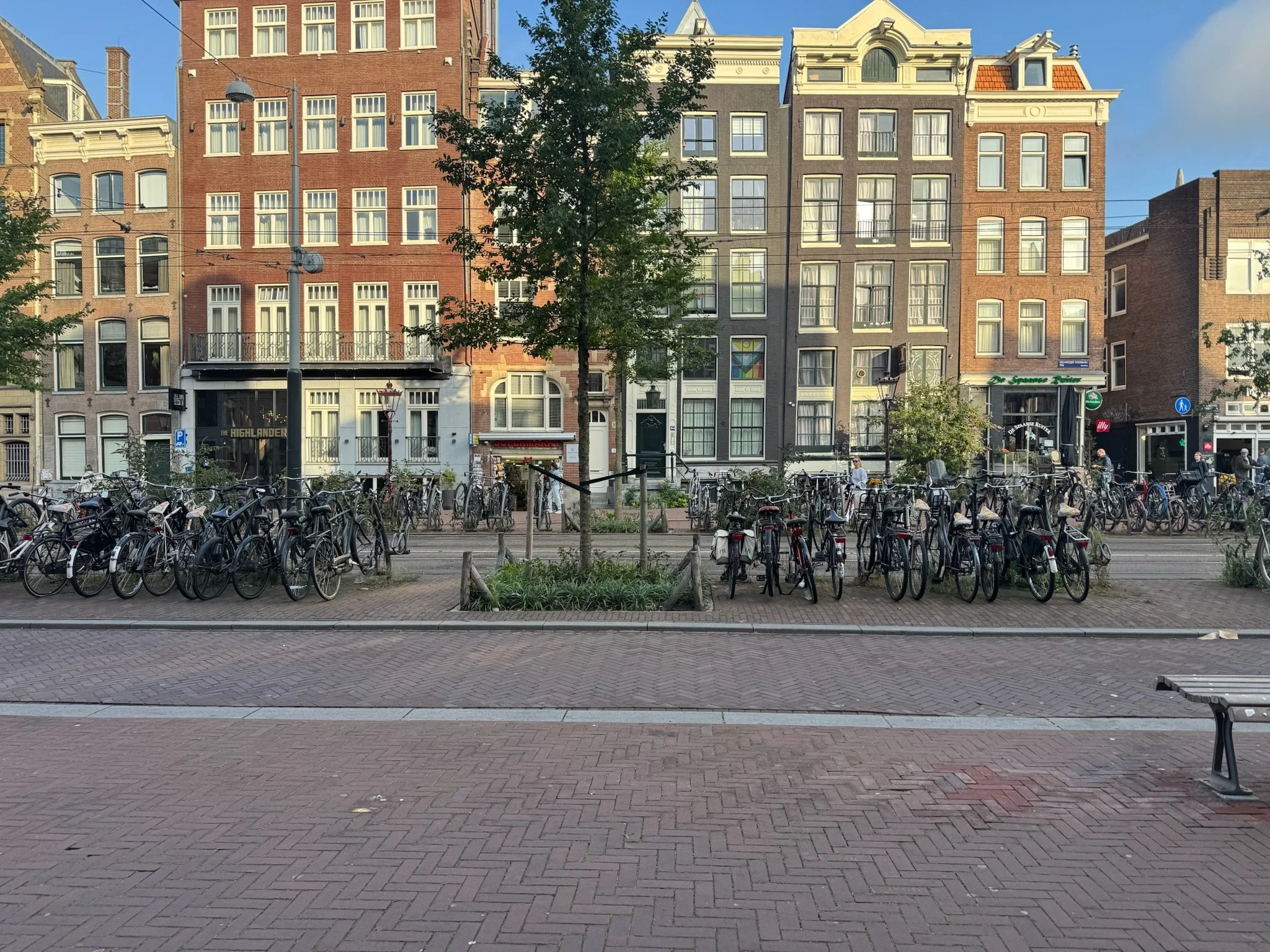
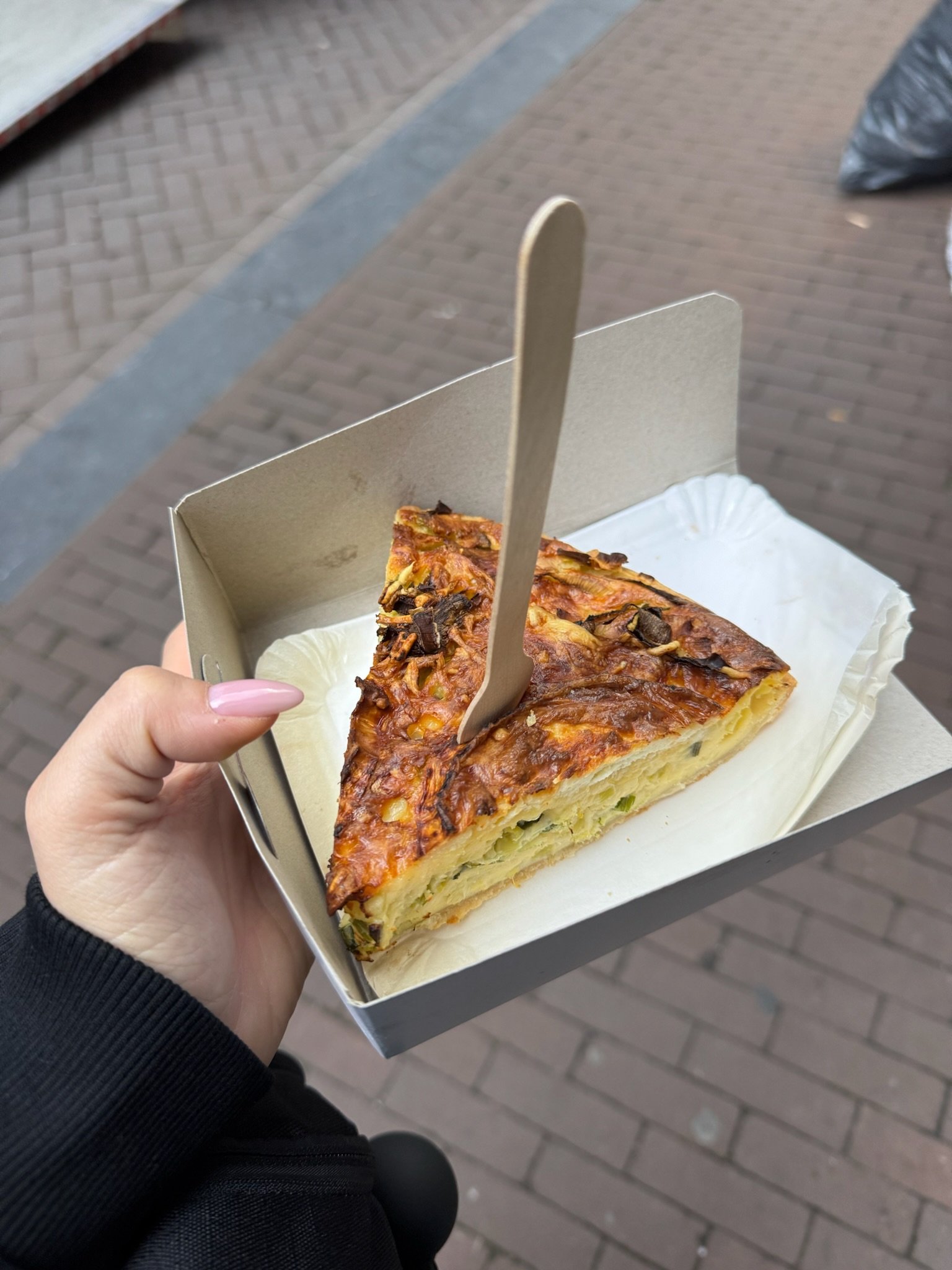
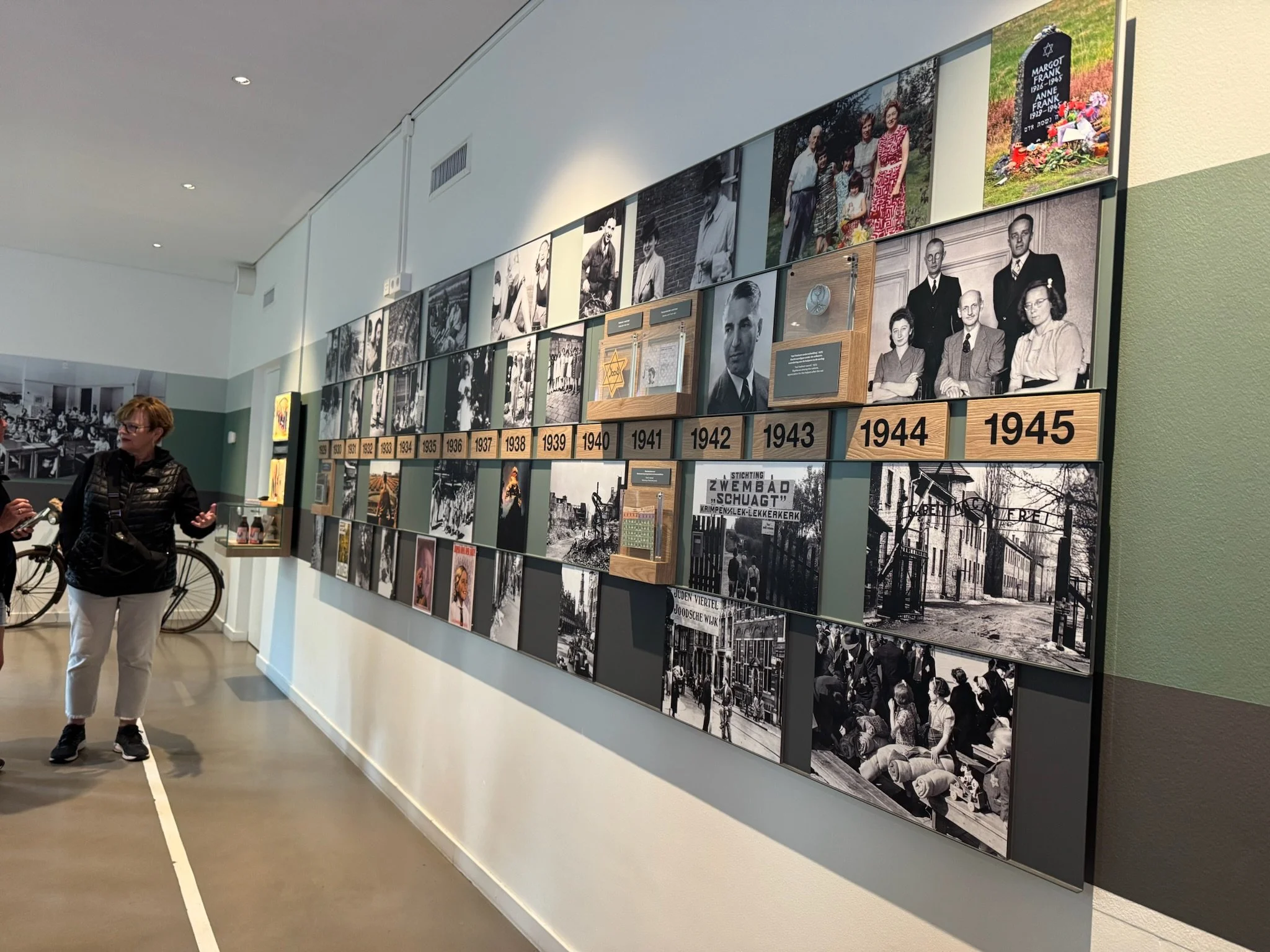
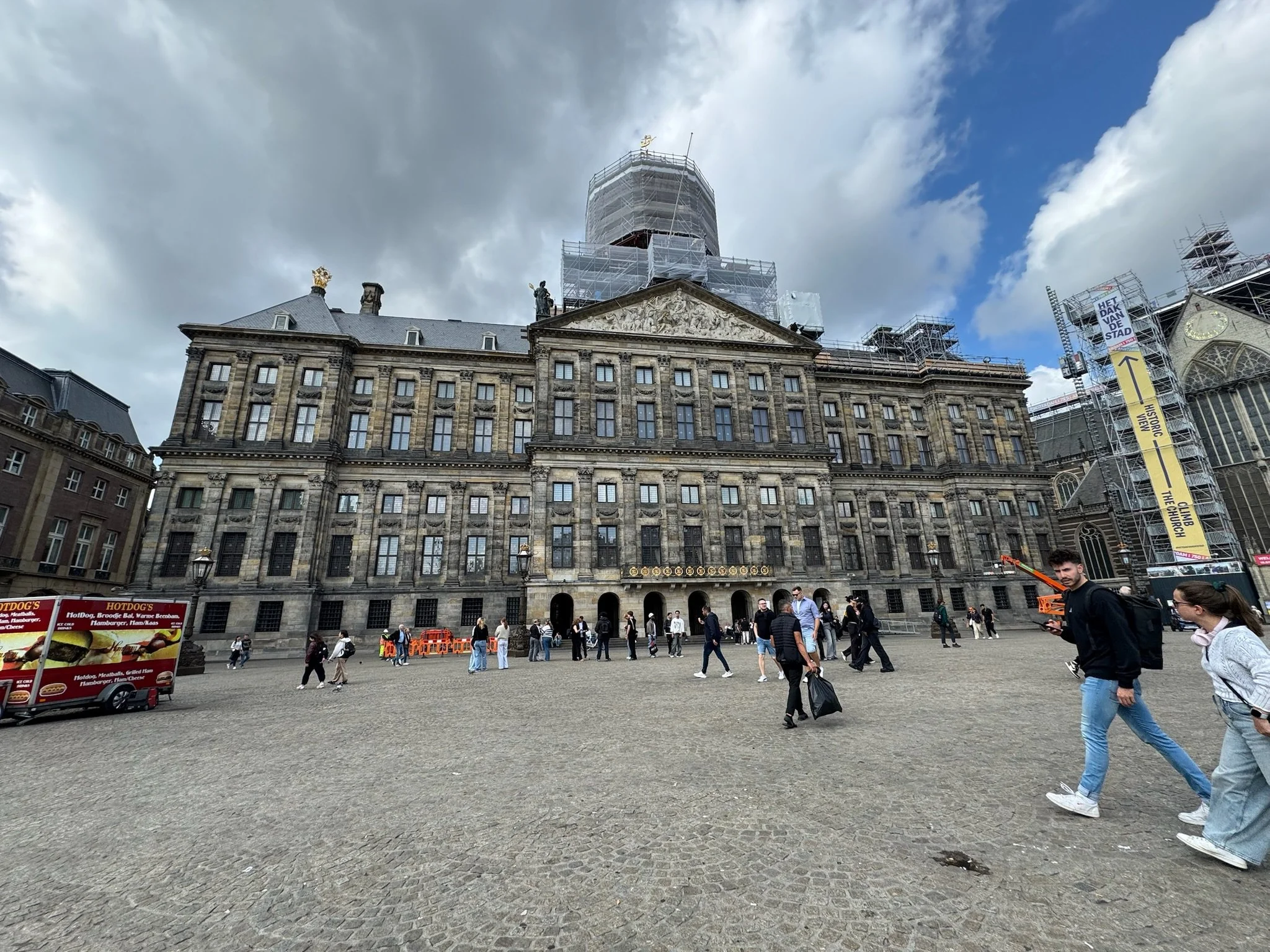
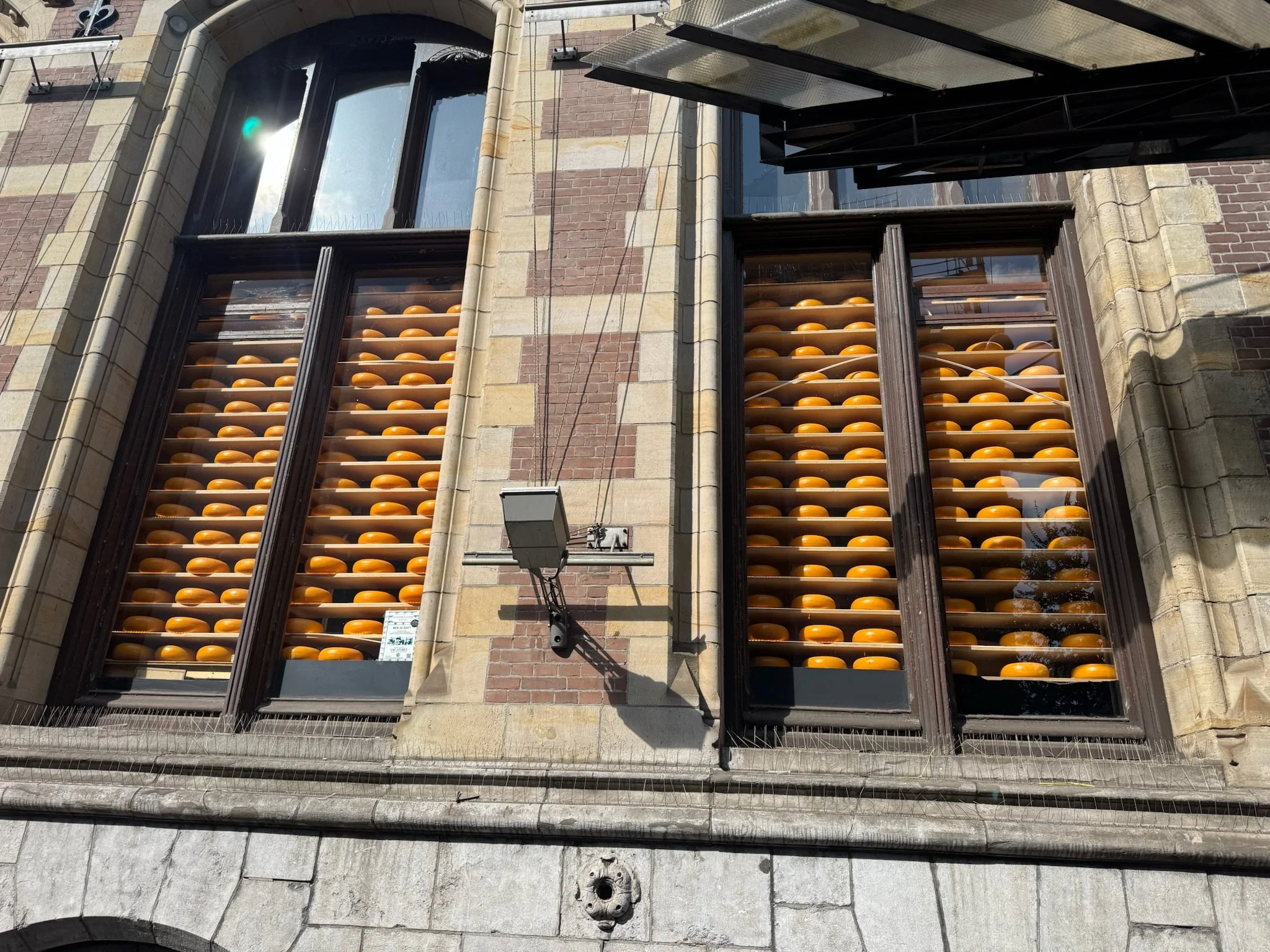
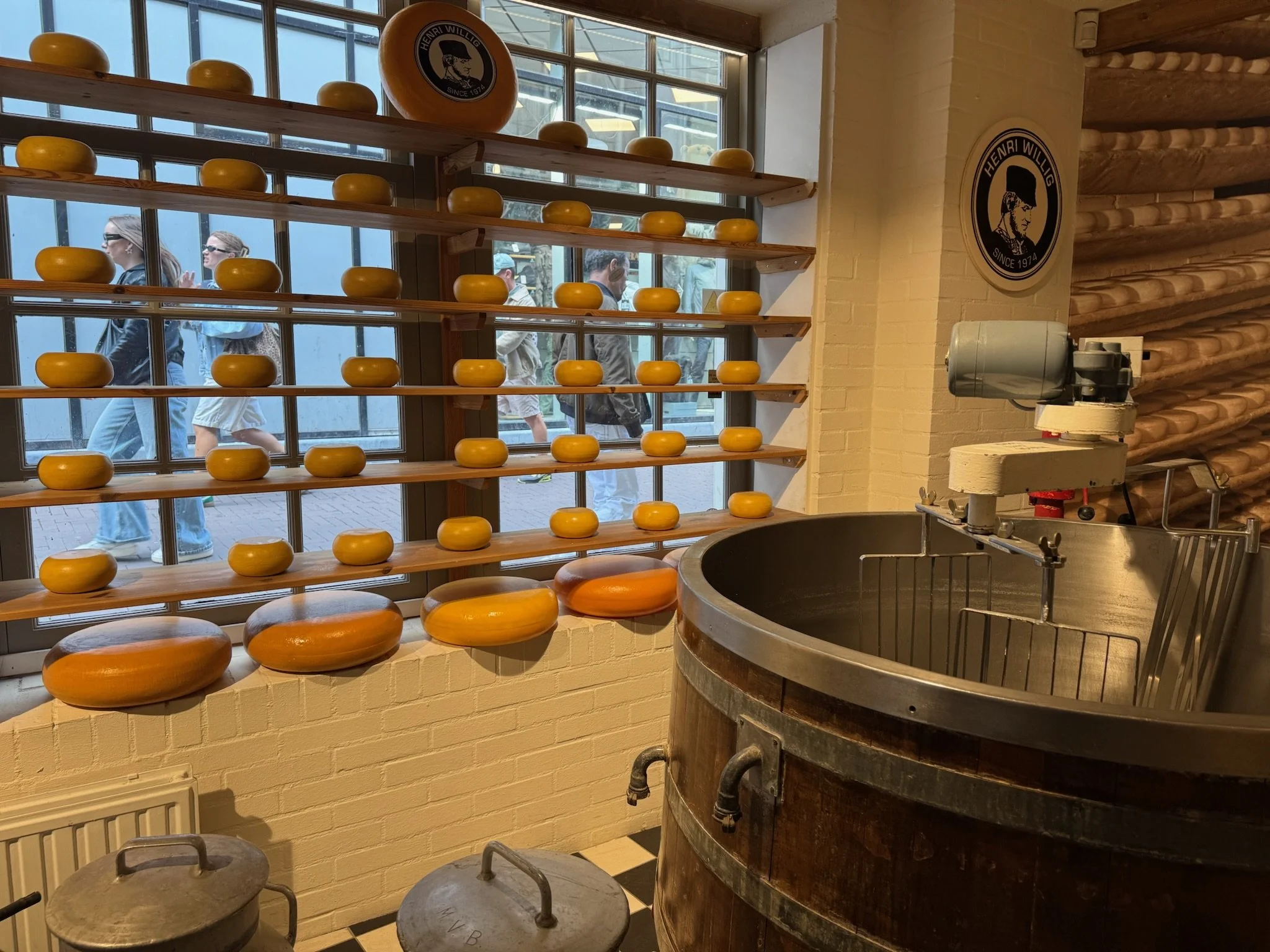
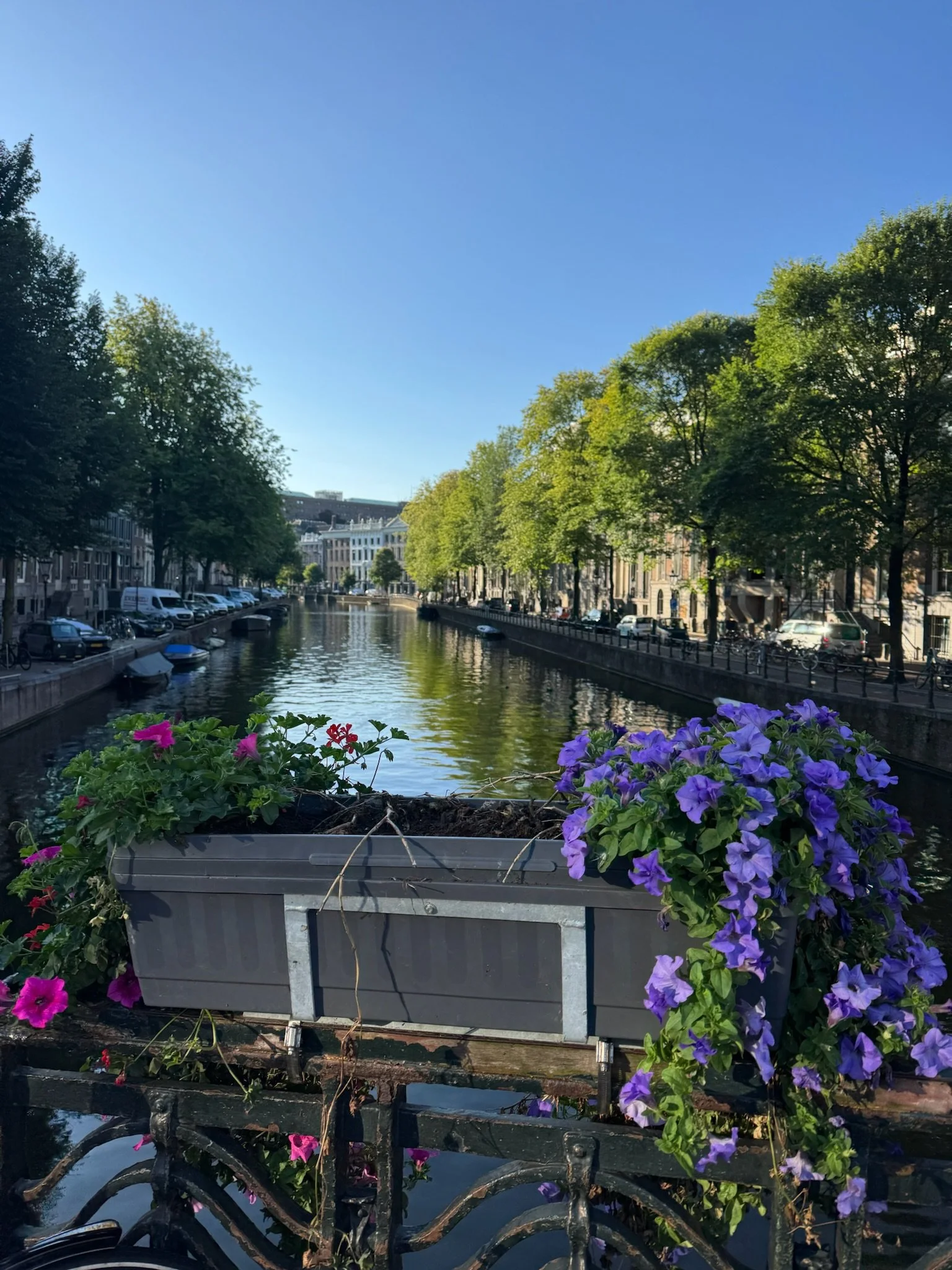
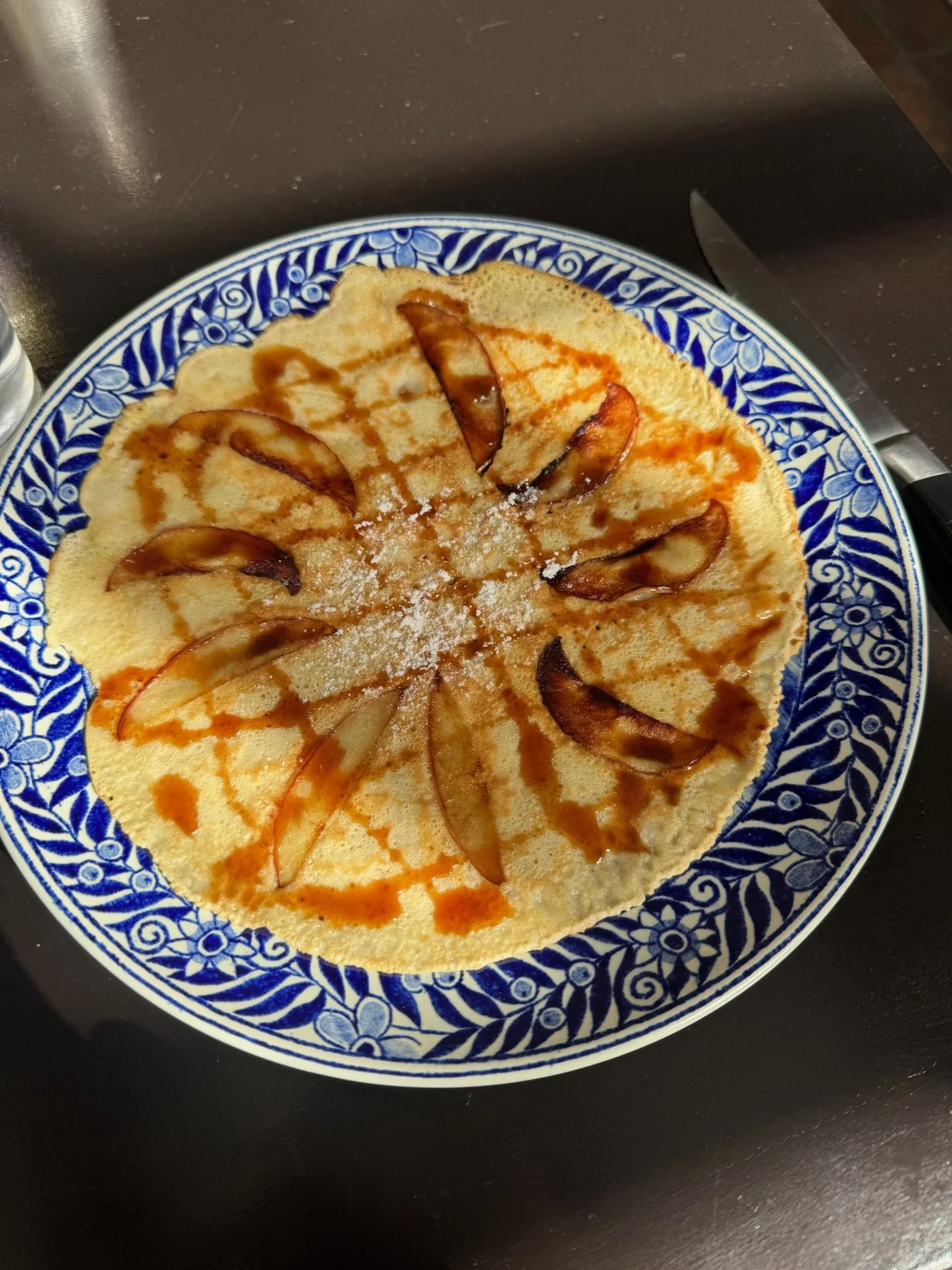
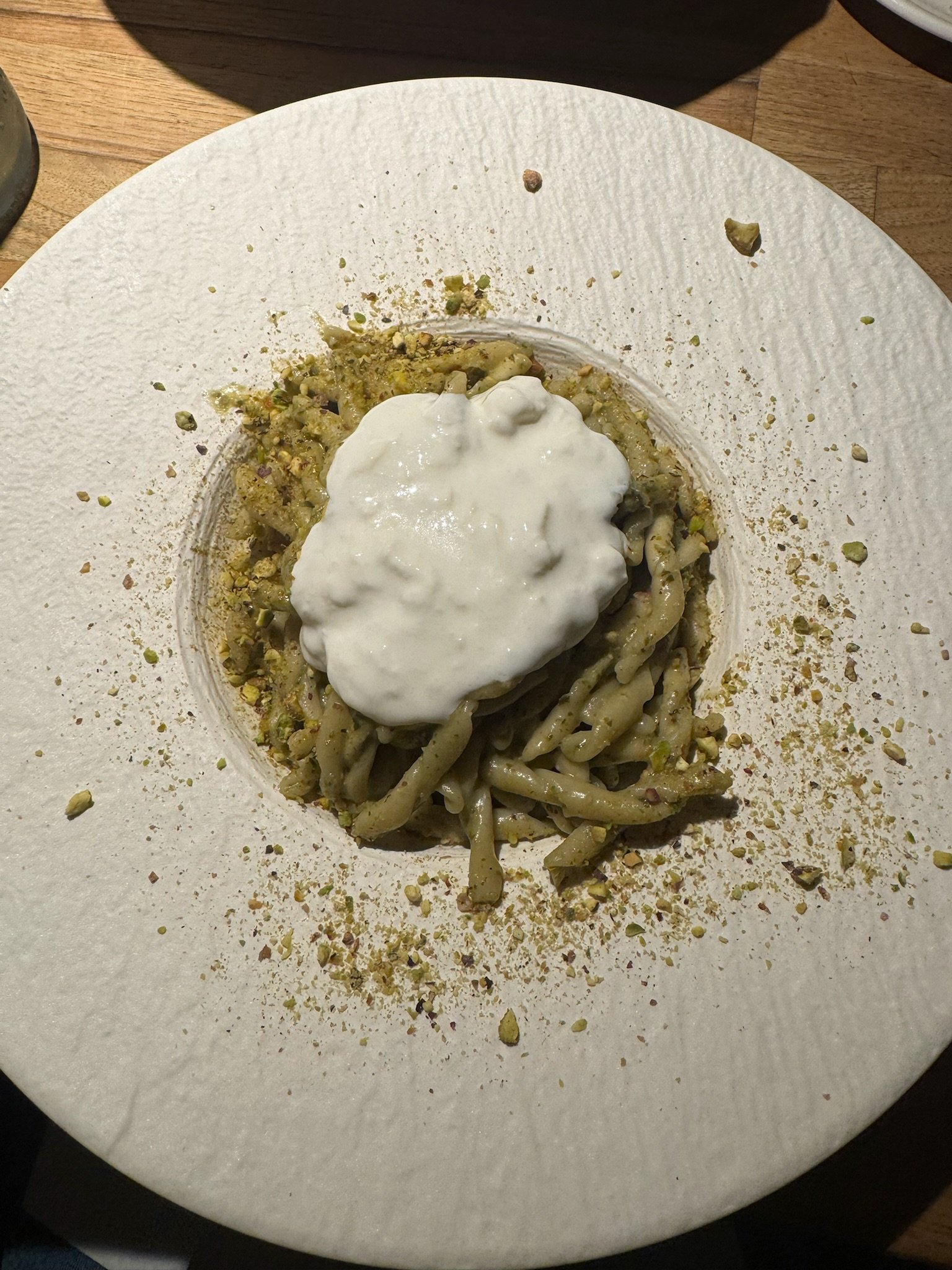
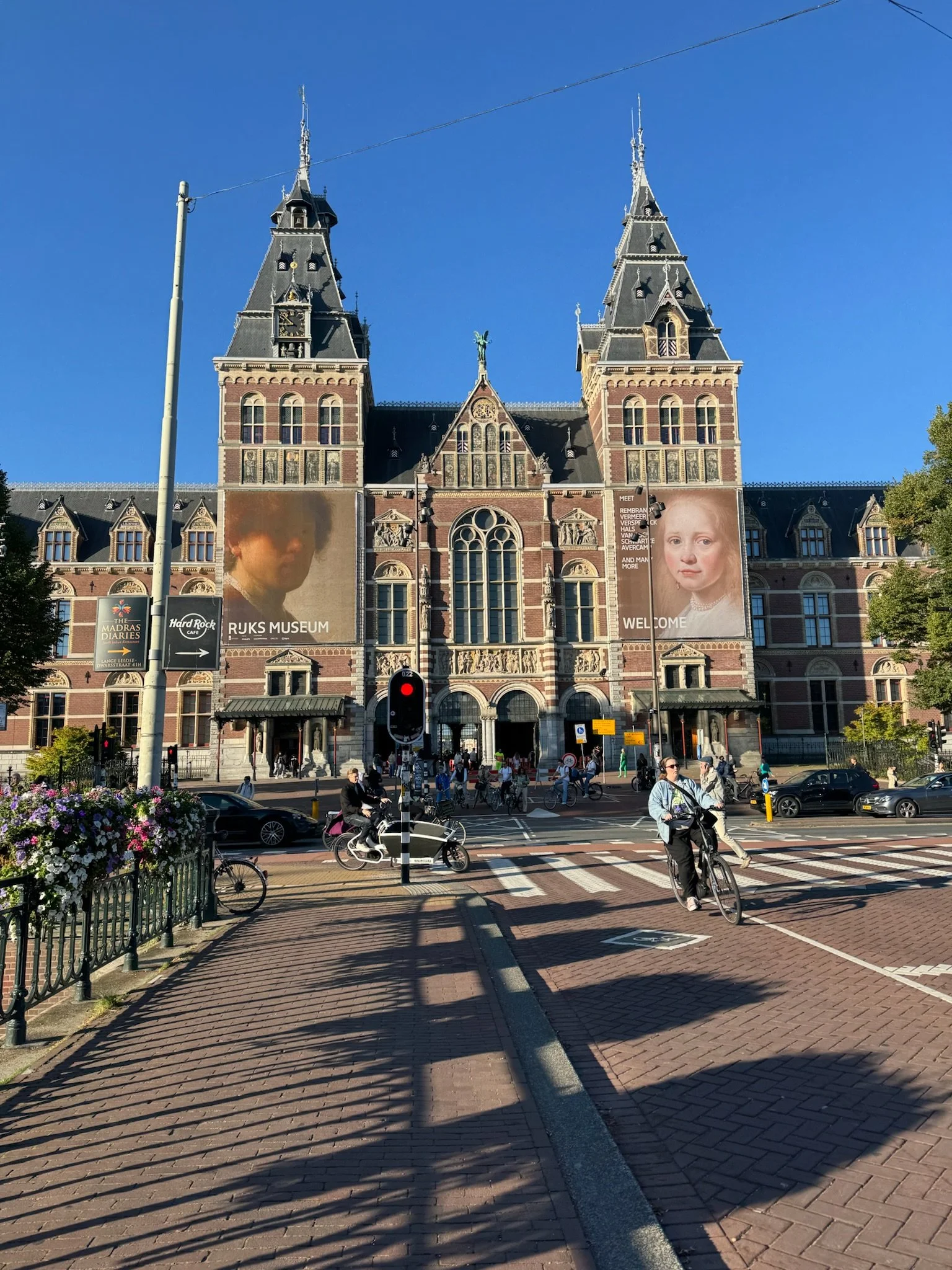
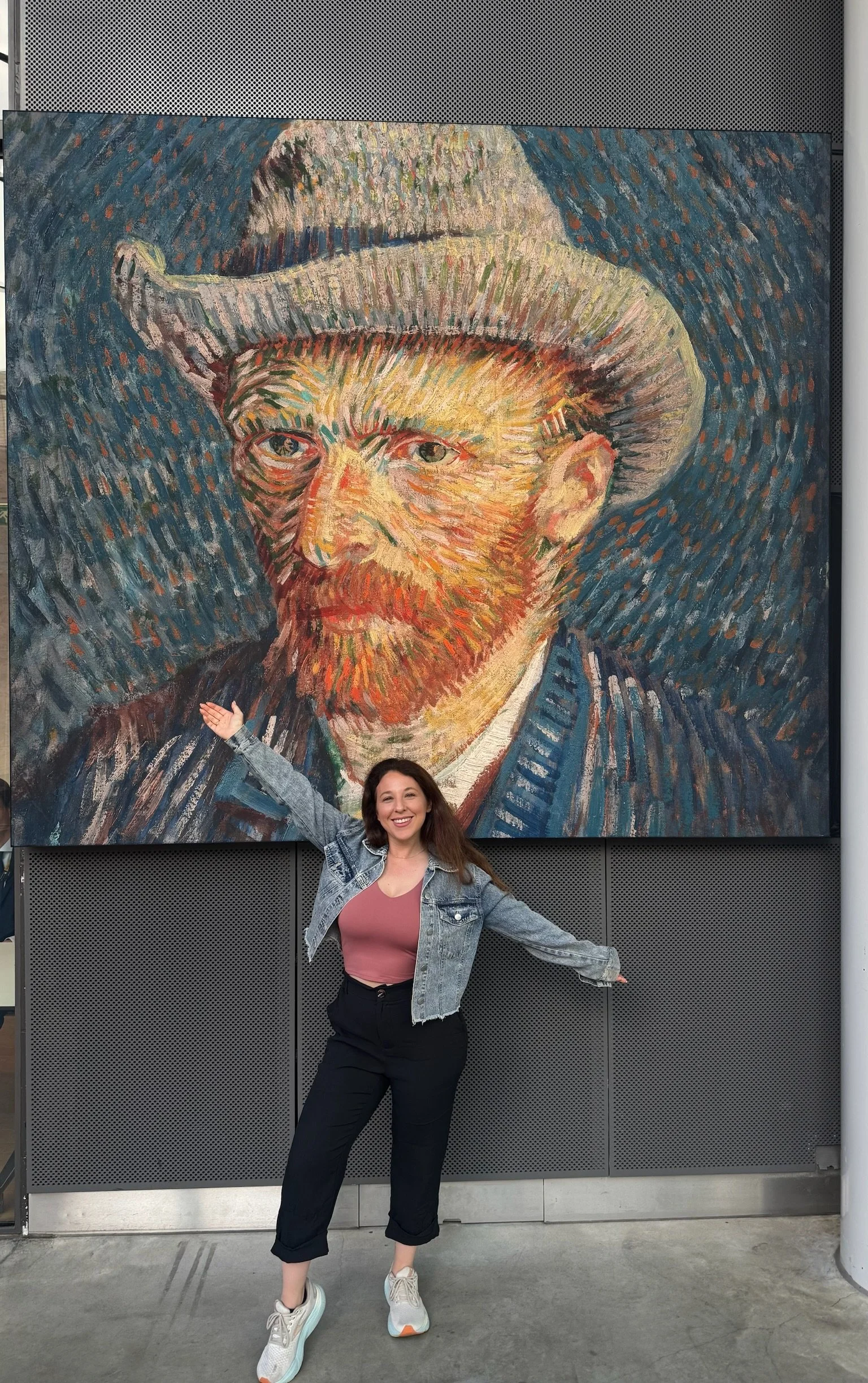
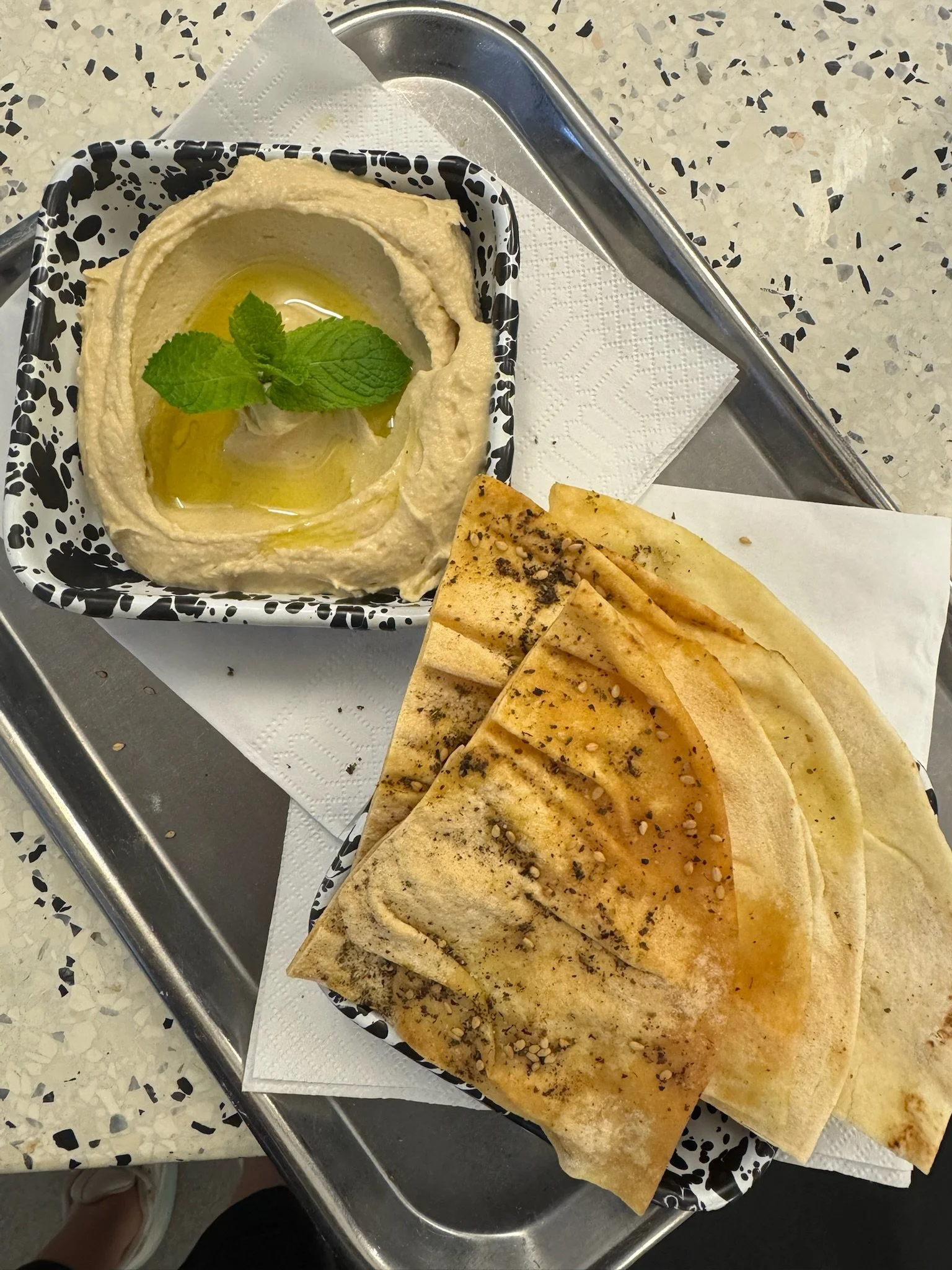
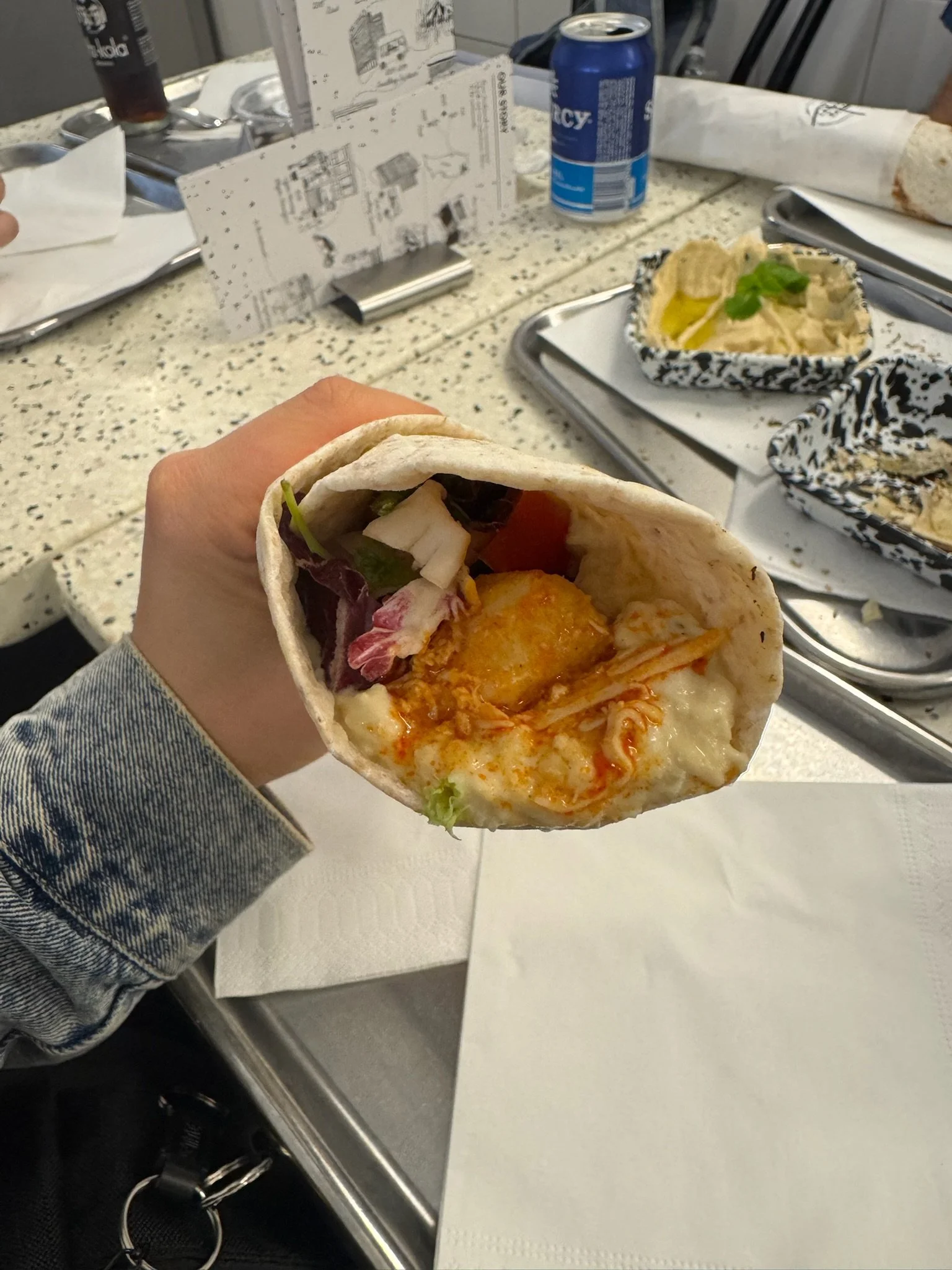
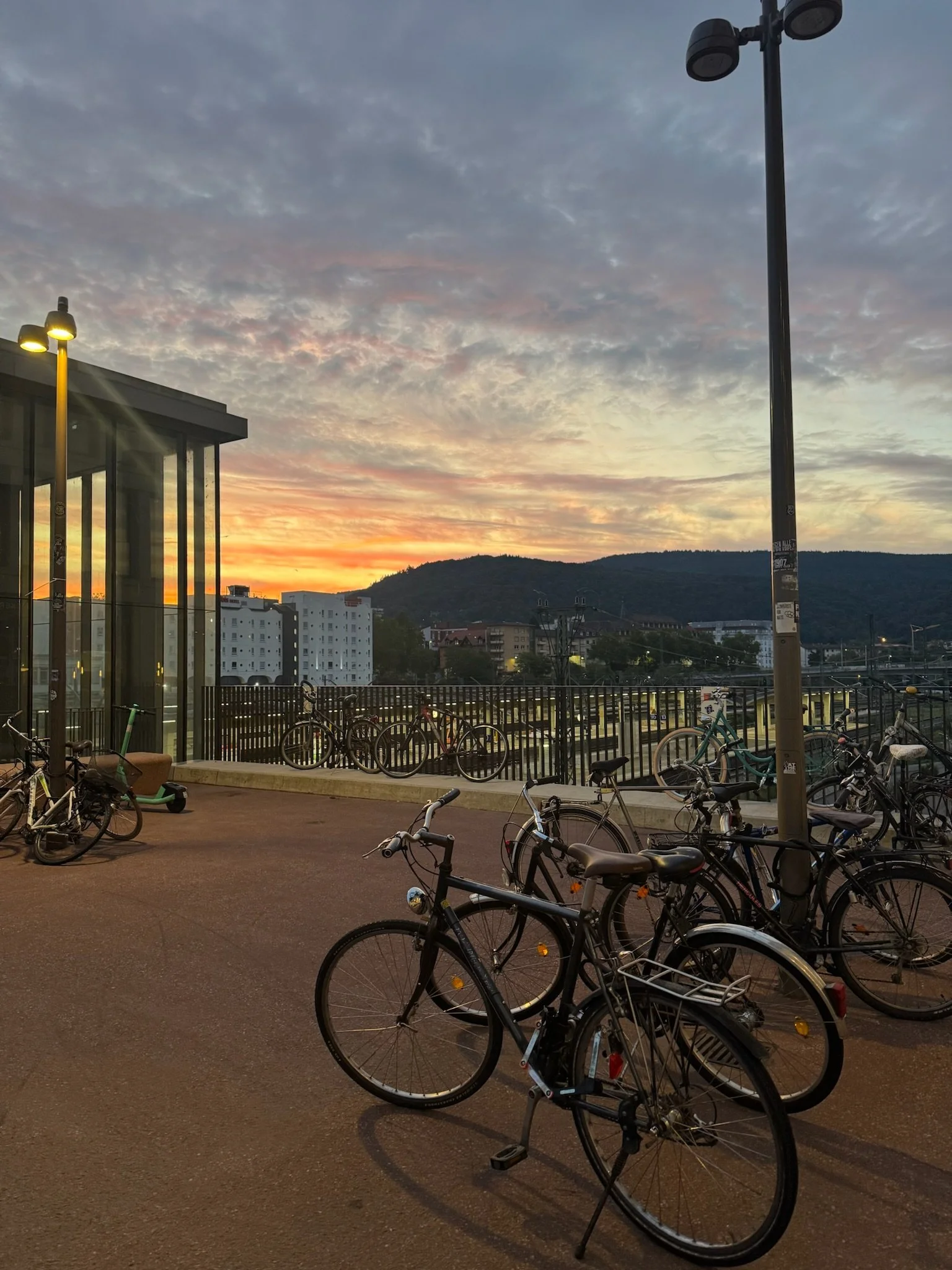
The route built itself from her wants, not from a template. Amsterdam first — a place to land softly, check her internal compass, recover from the transatlantic push. Then east to Heidelberg to see family — she has cousins there, and people who love you are the right company at the start of a reset.
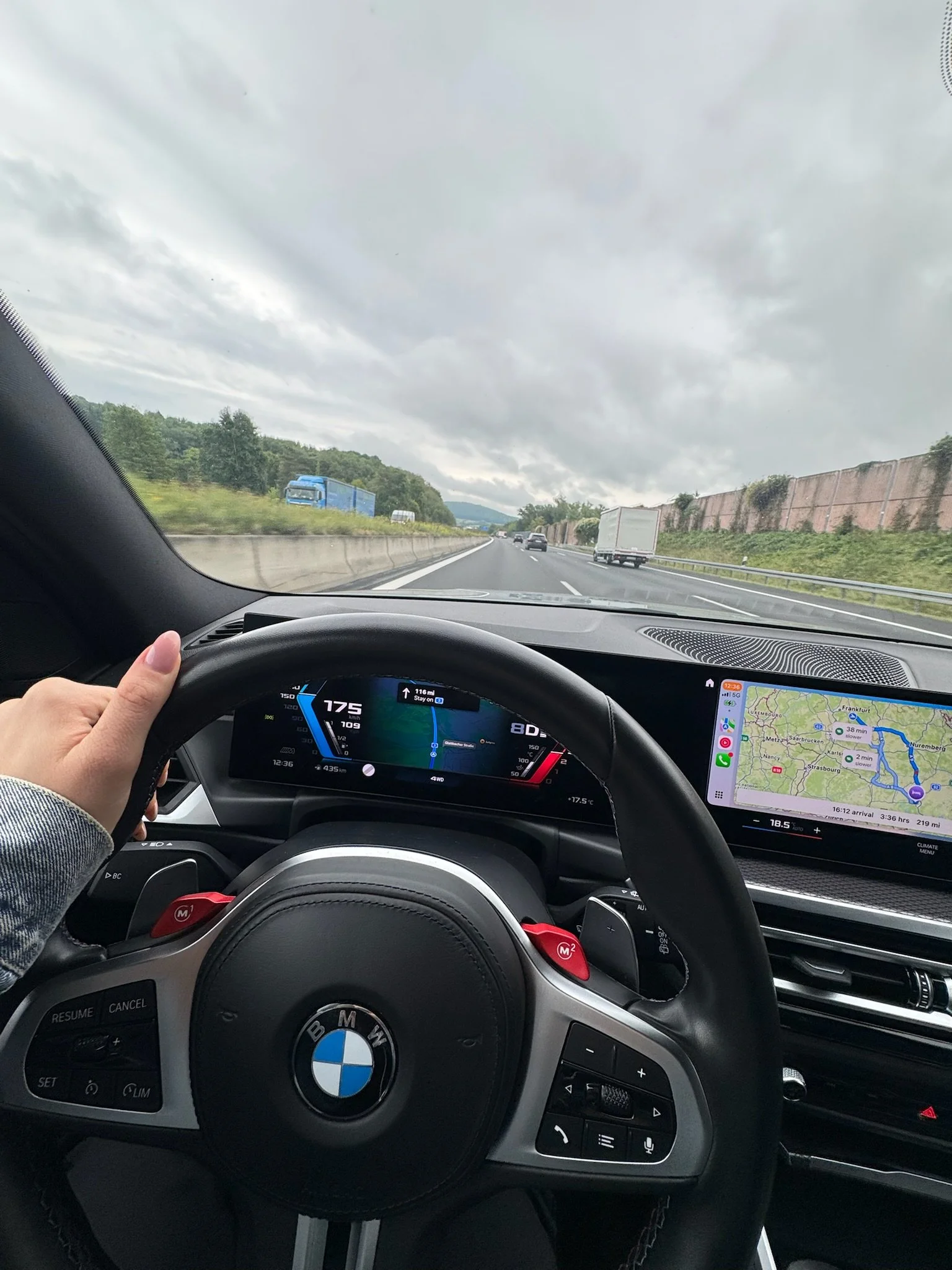
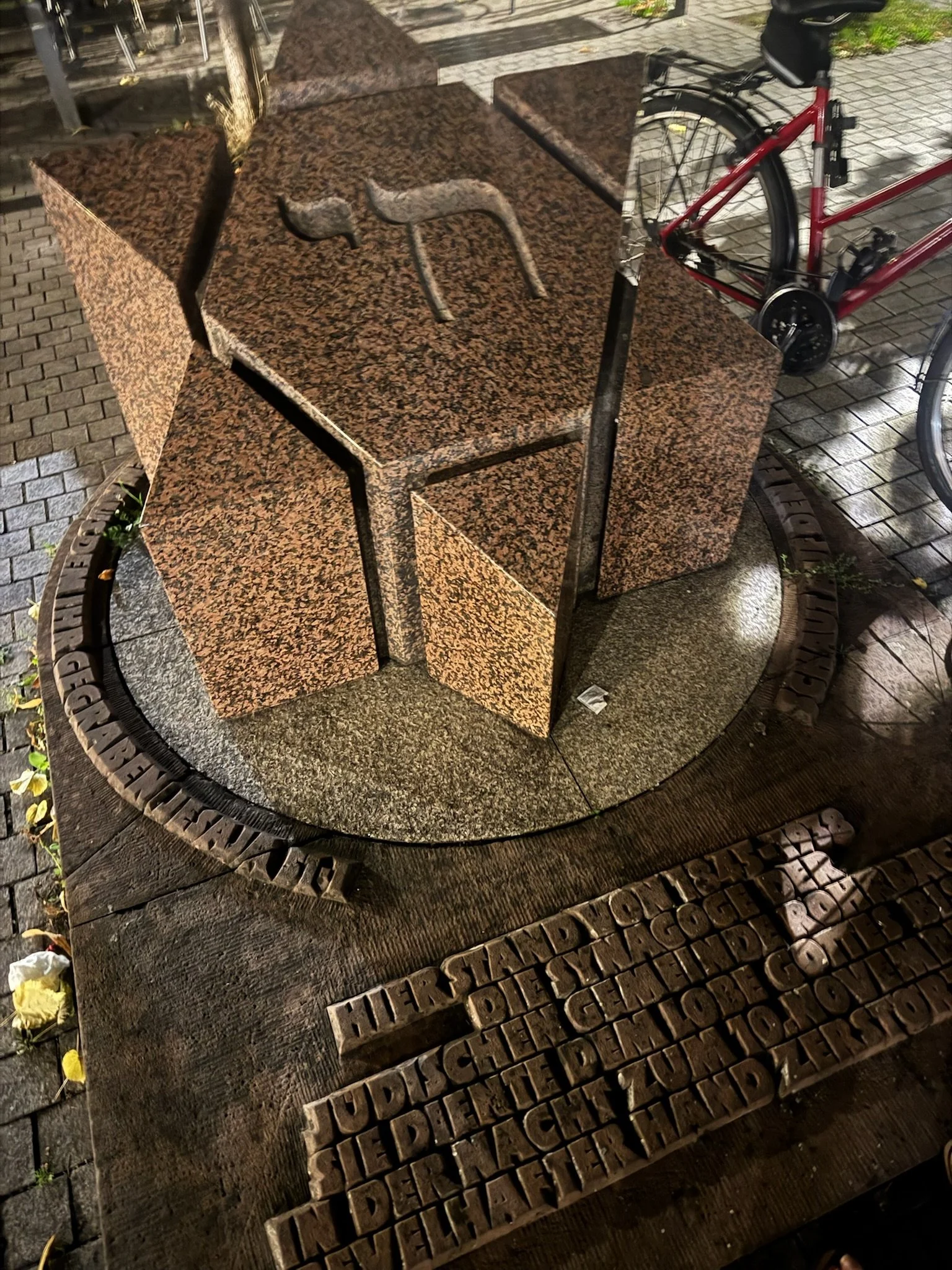
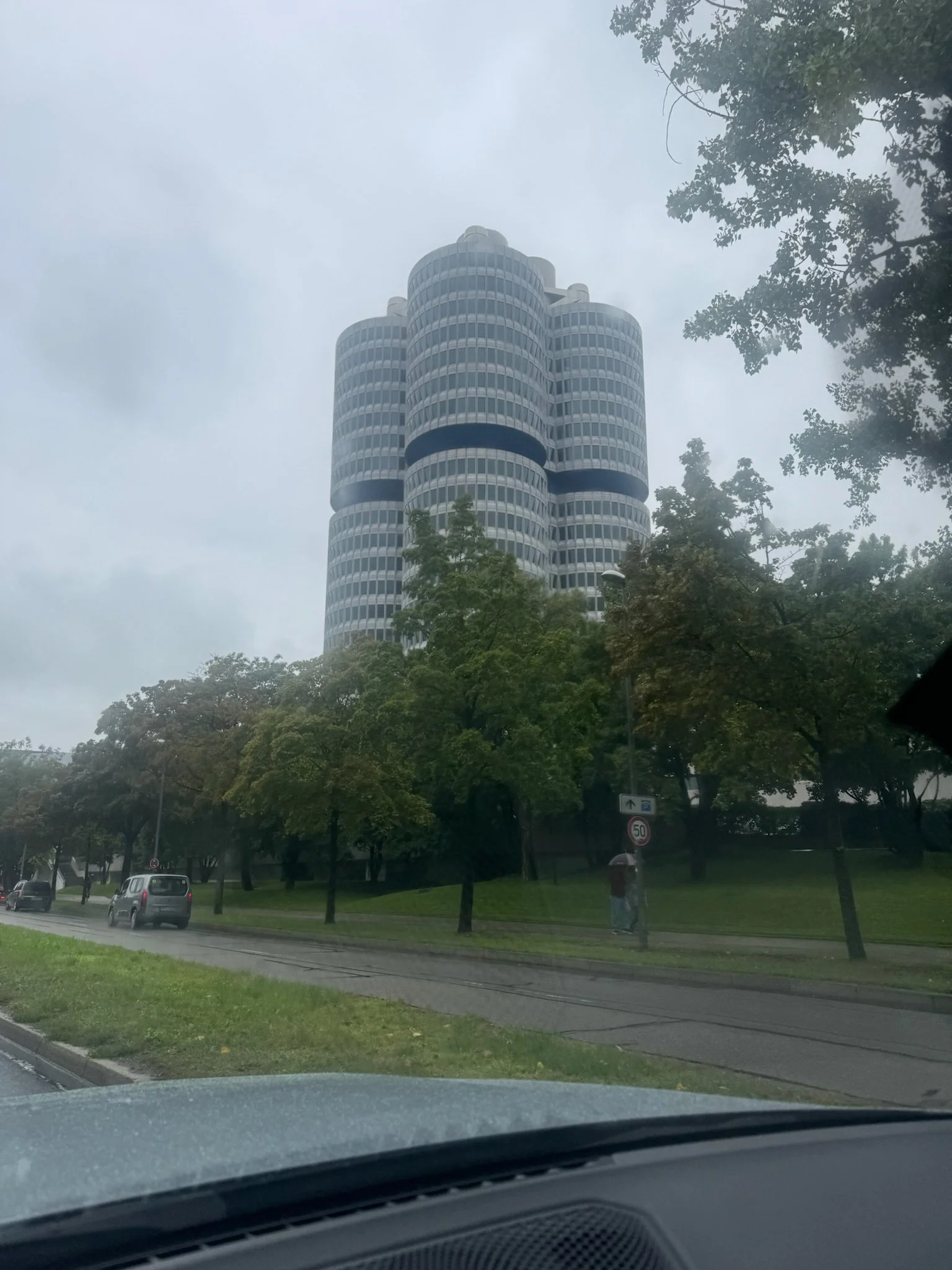
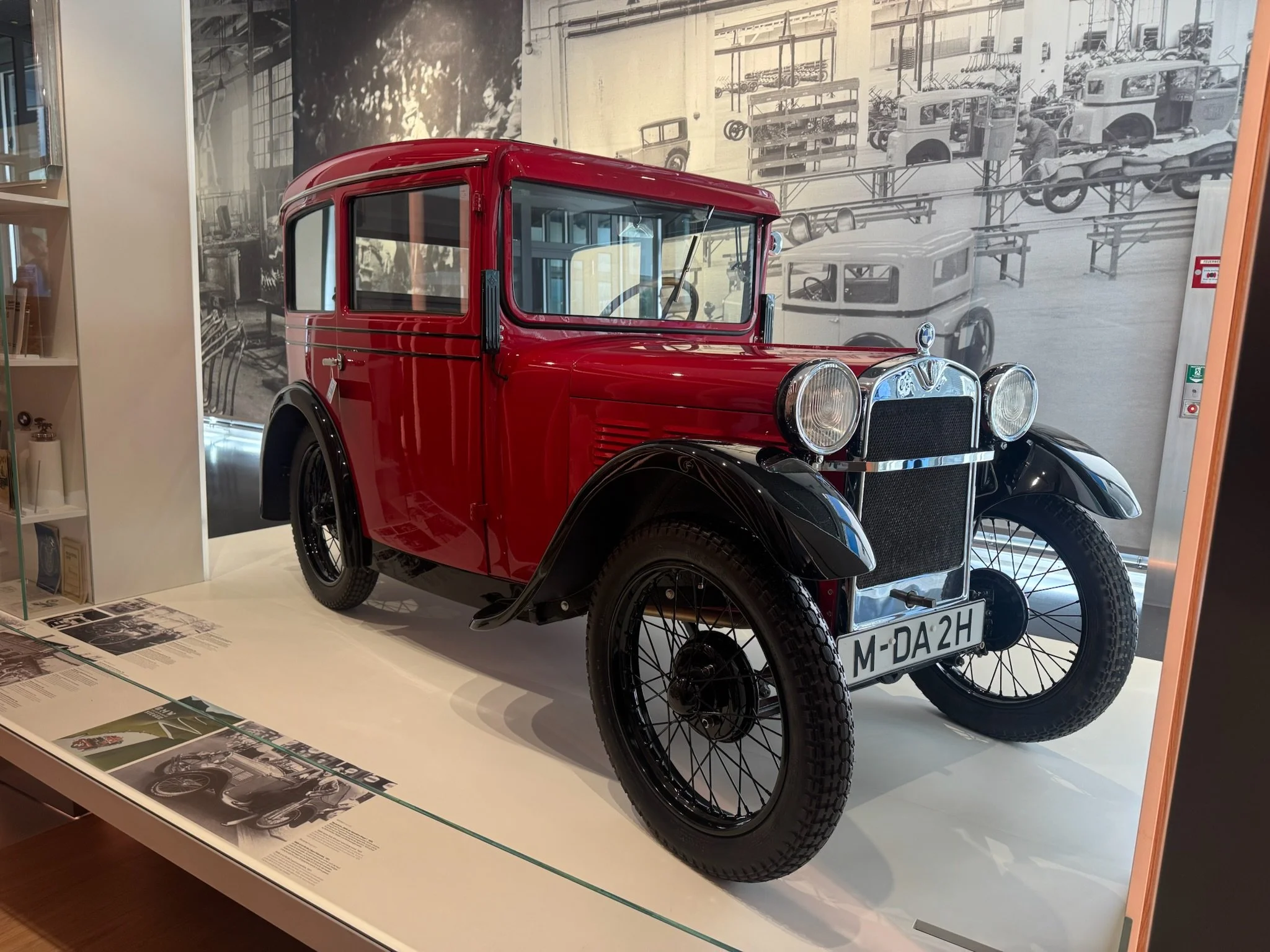
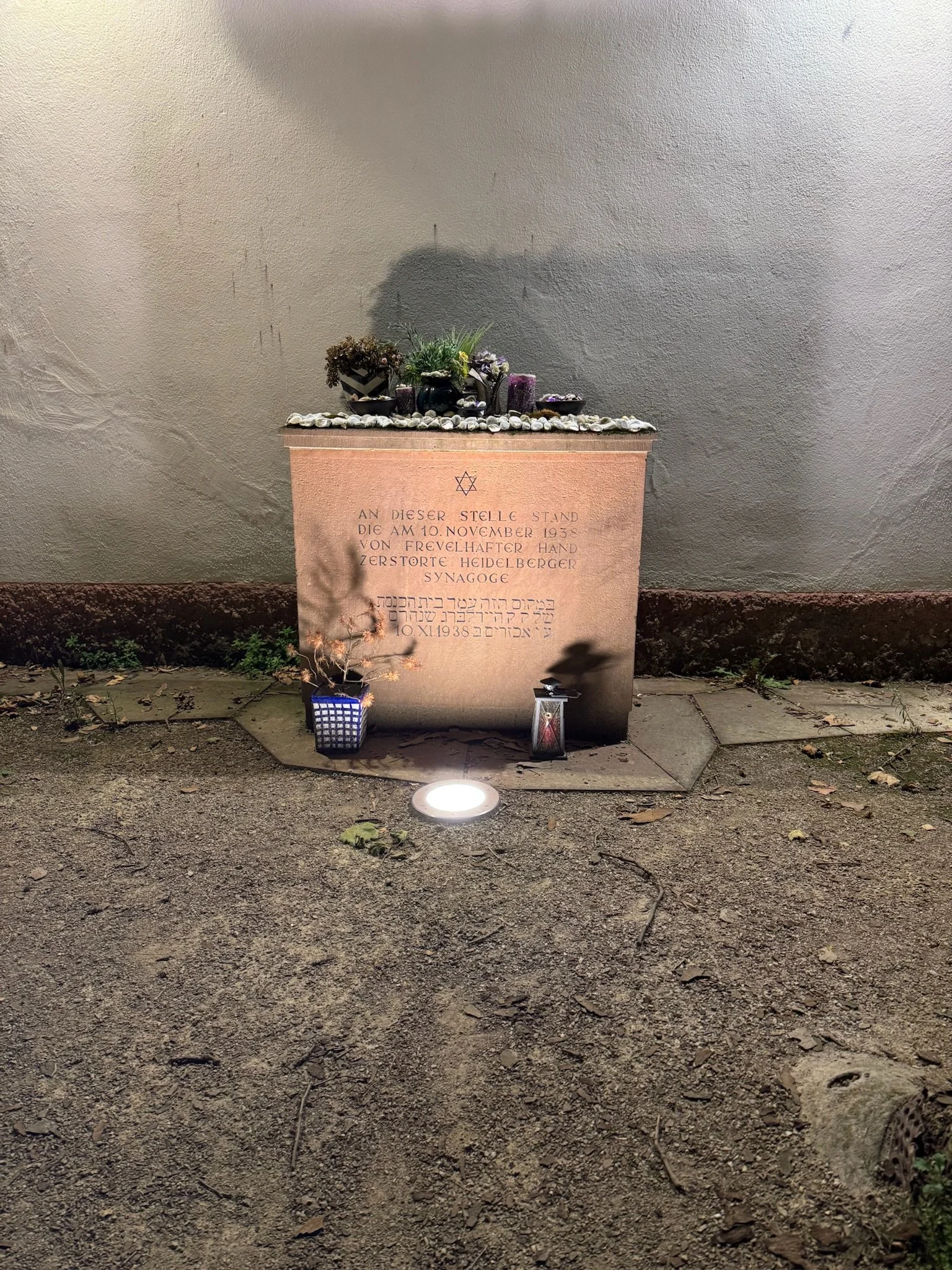
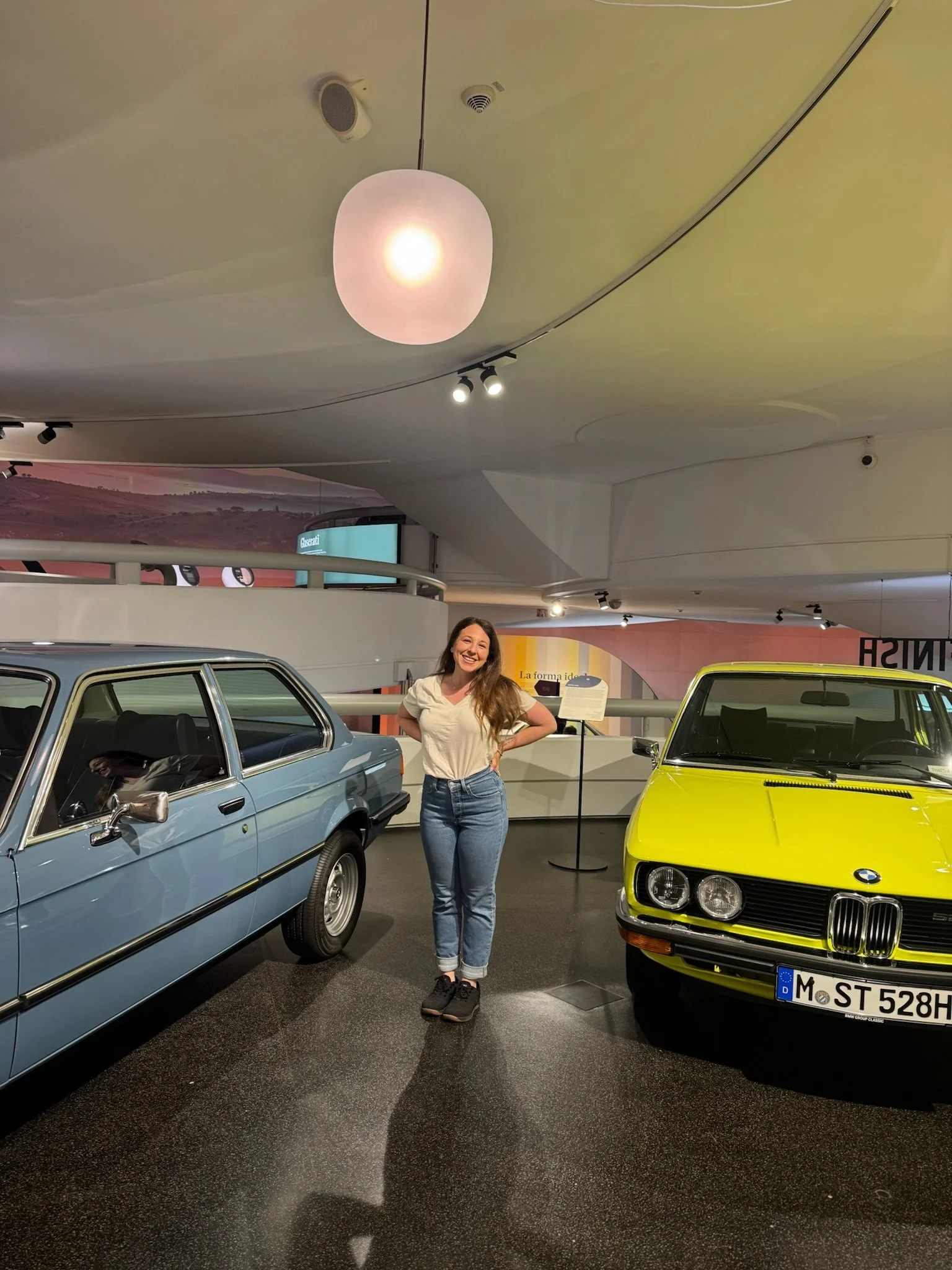
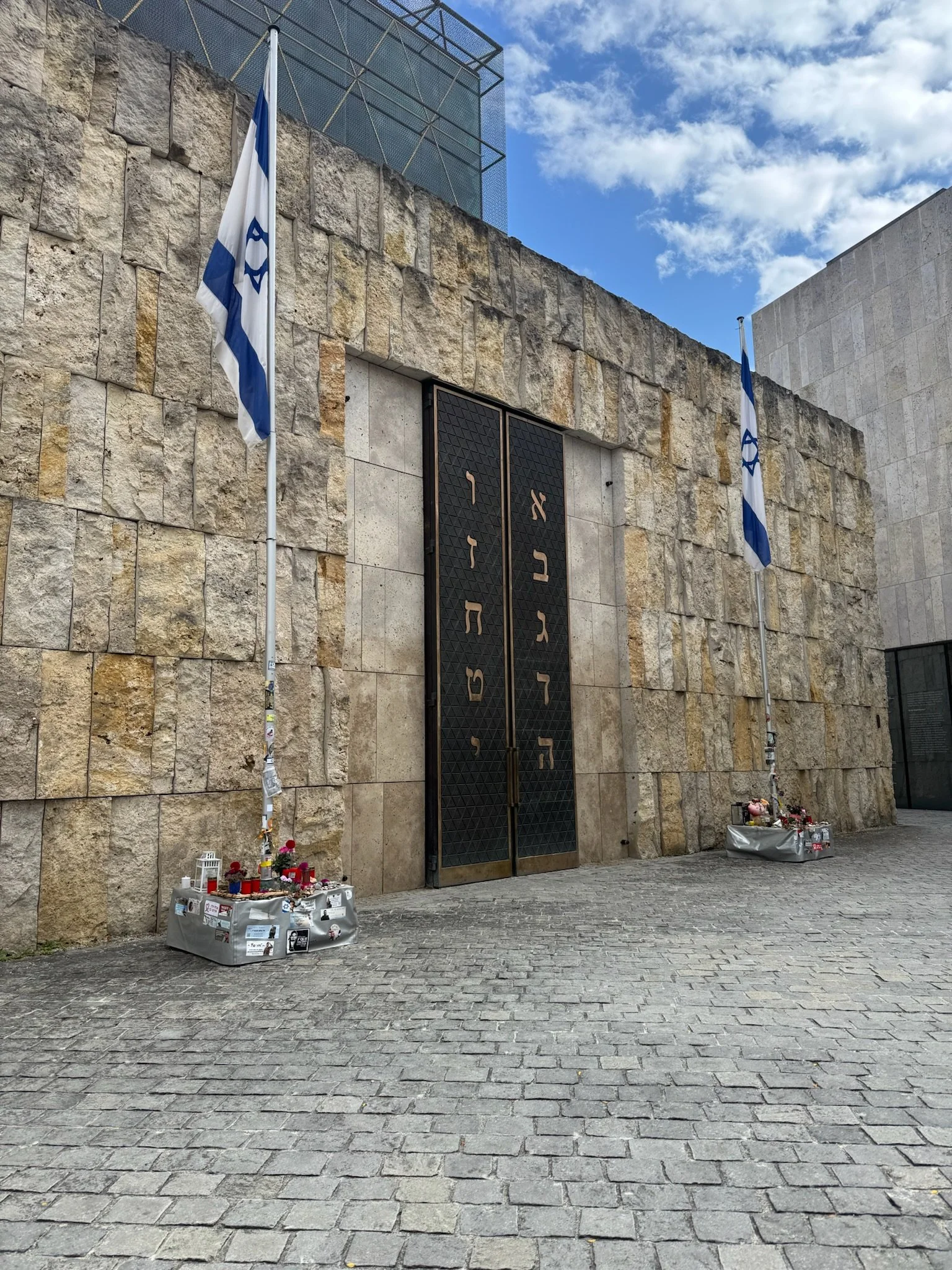
Then Munich — but first, the Autobahn. Rachel works for BMW, and she'd been hunting for a performance vehicle since before she landed in Europe. Nothing had come through. We found her one. From Heidelberg, she drove herself south: wet grey autobahn, rain most of the way, the kind of morning that dissolves into nothing beyond the windshield. She drove fast. She sent updates the whole way. When she arrived, BMW Welt was waiting — and for someone who spends her career inside that brand, standing in it as a traveler hits differently. Before returning the car, she stopped at Munich's Jewish Museum — a detour she chose herself, entirely unprompted.
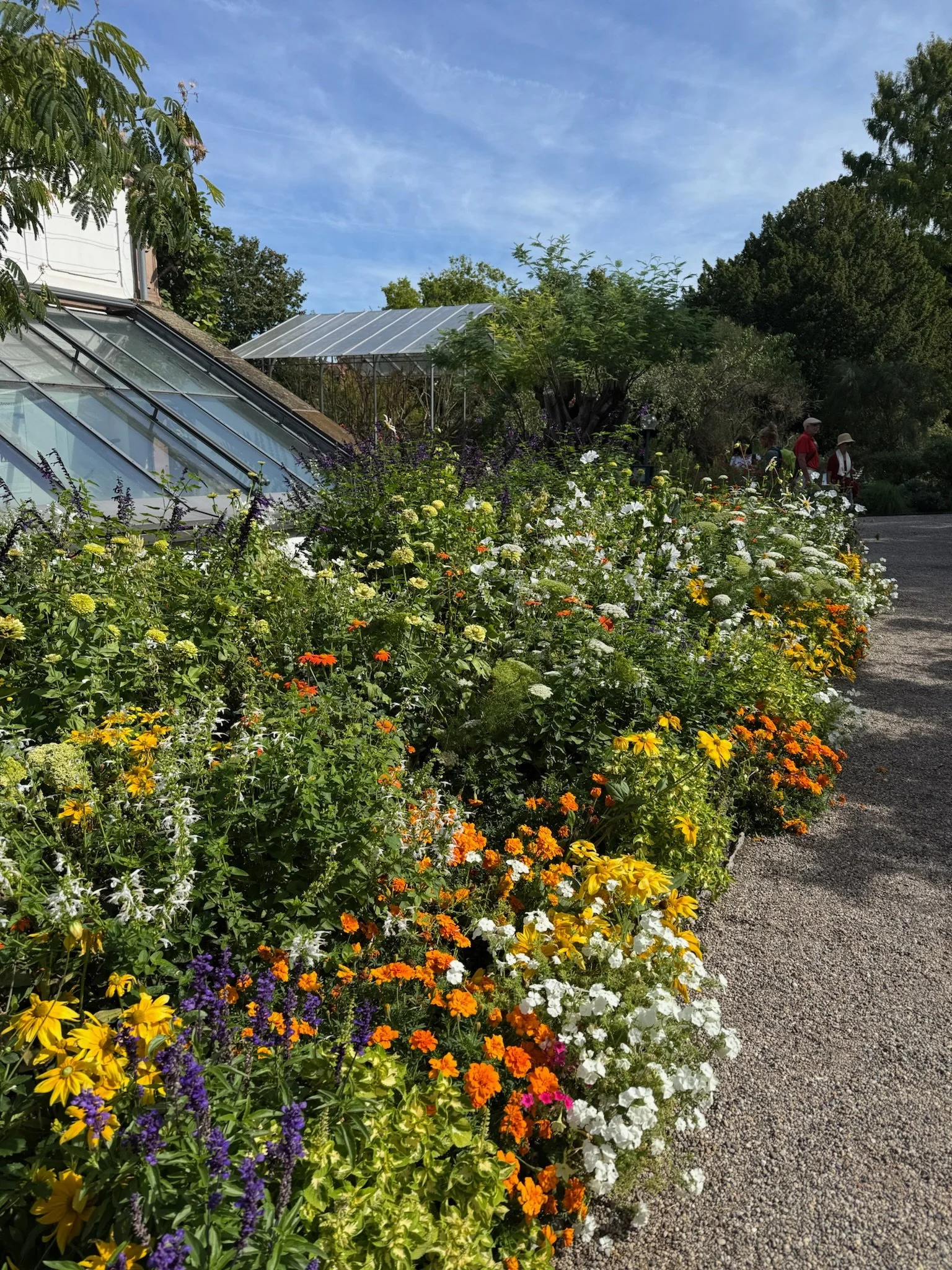
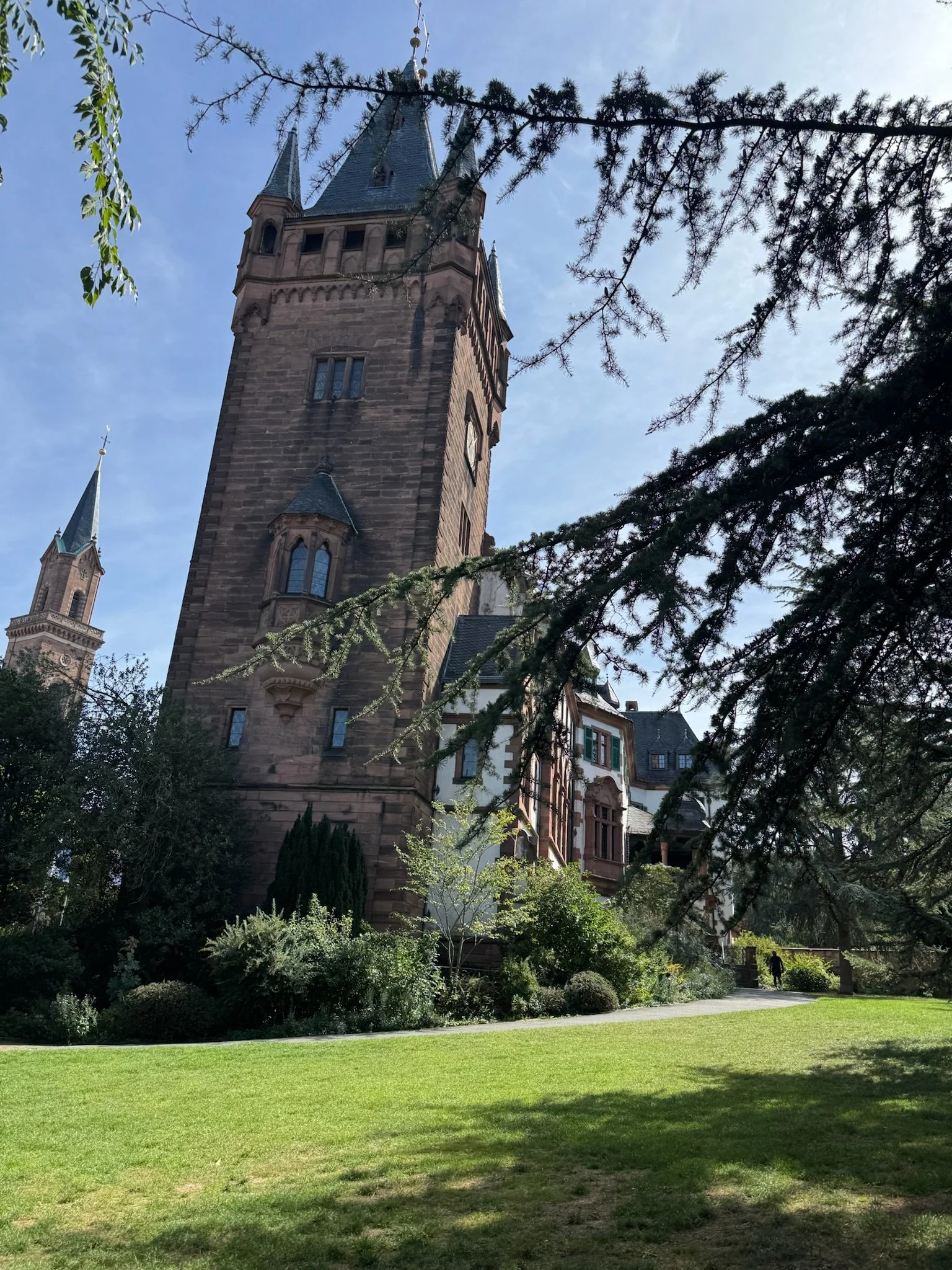
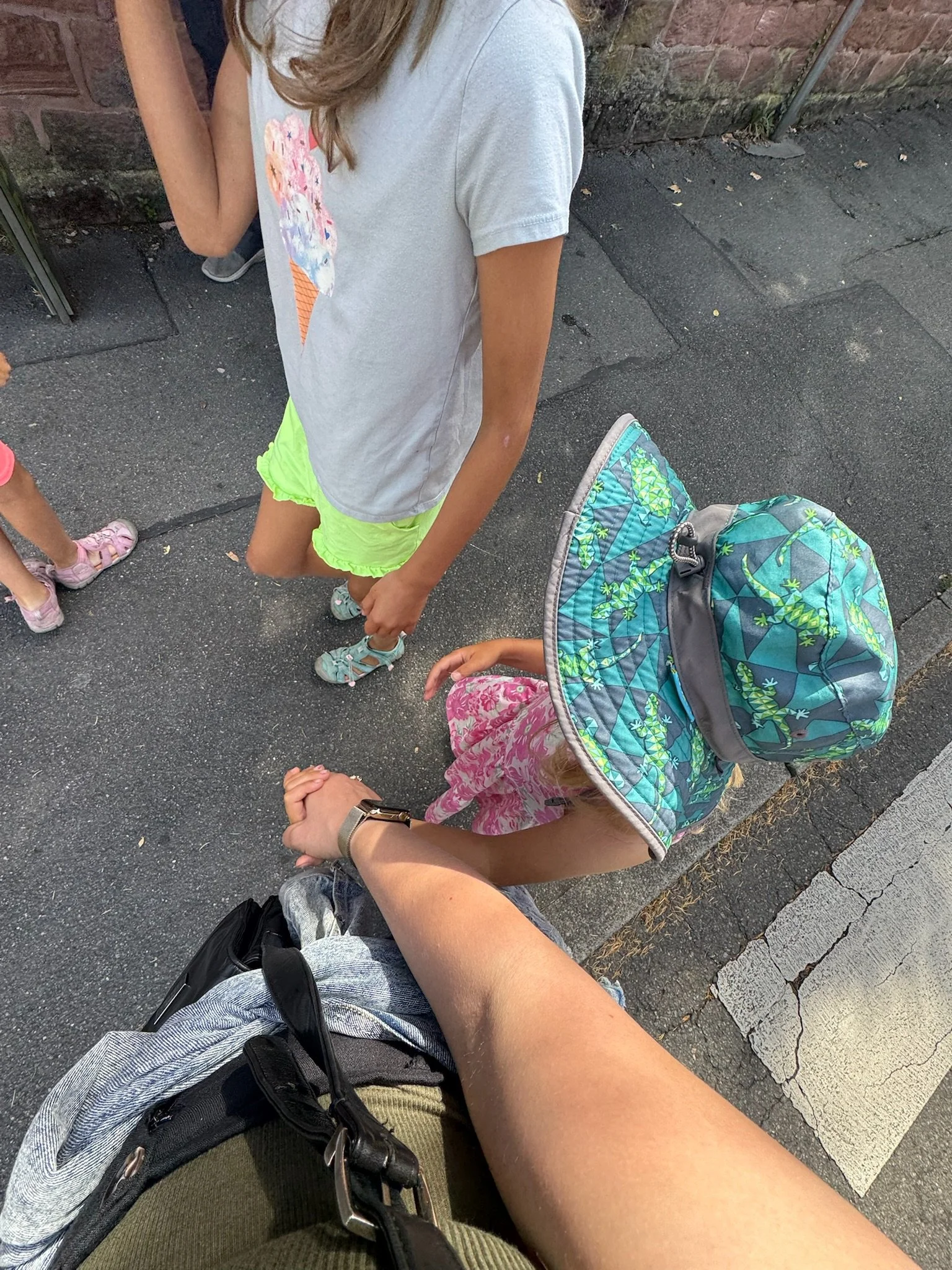
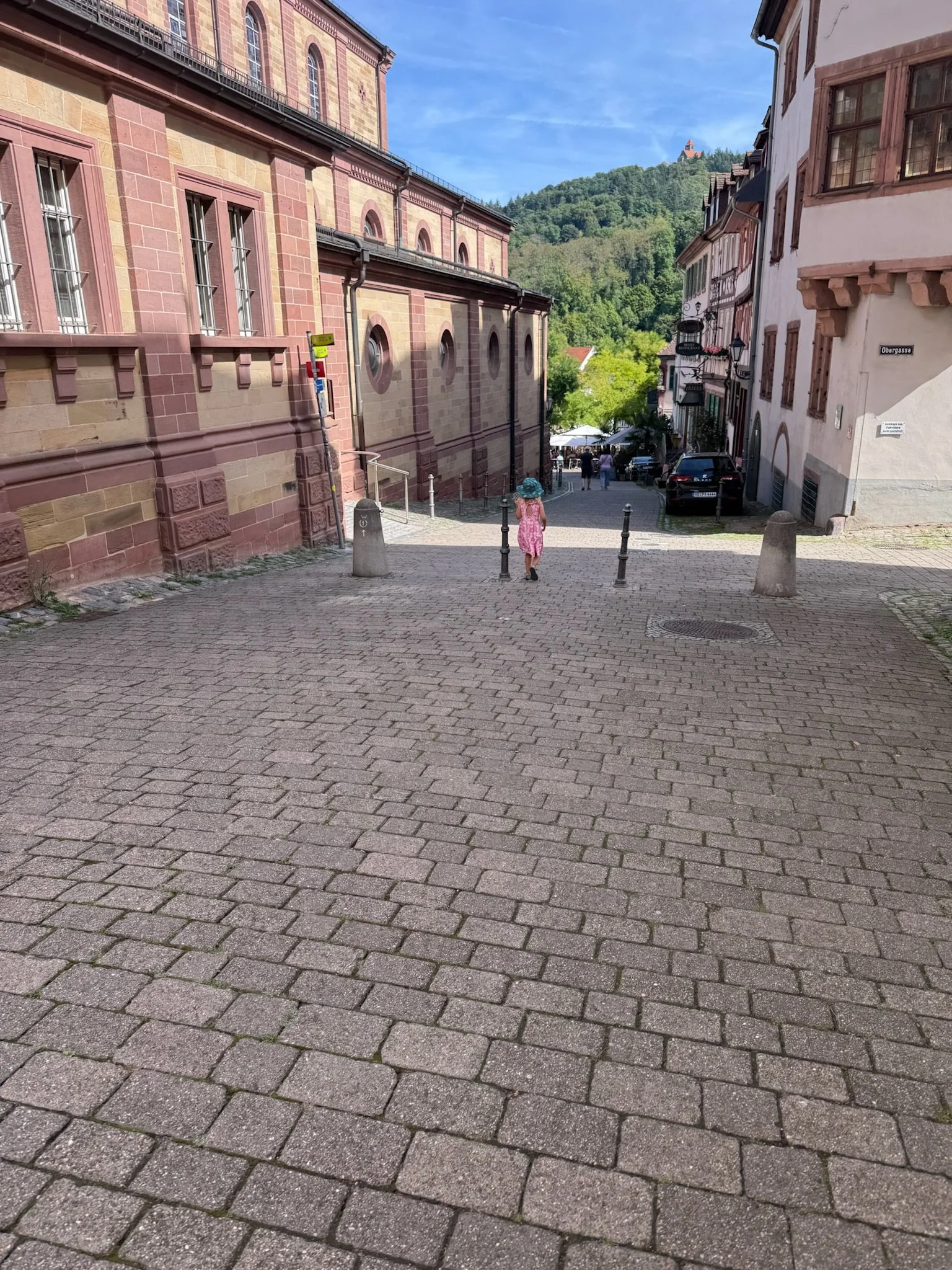
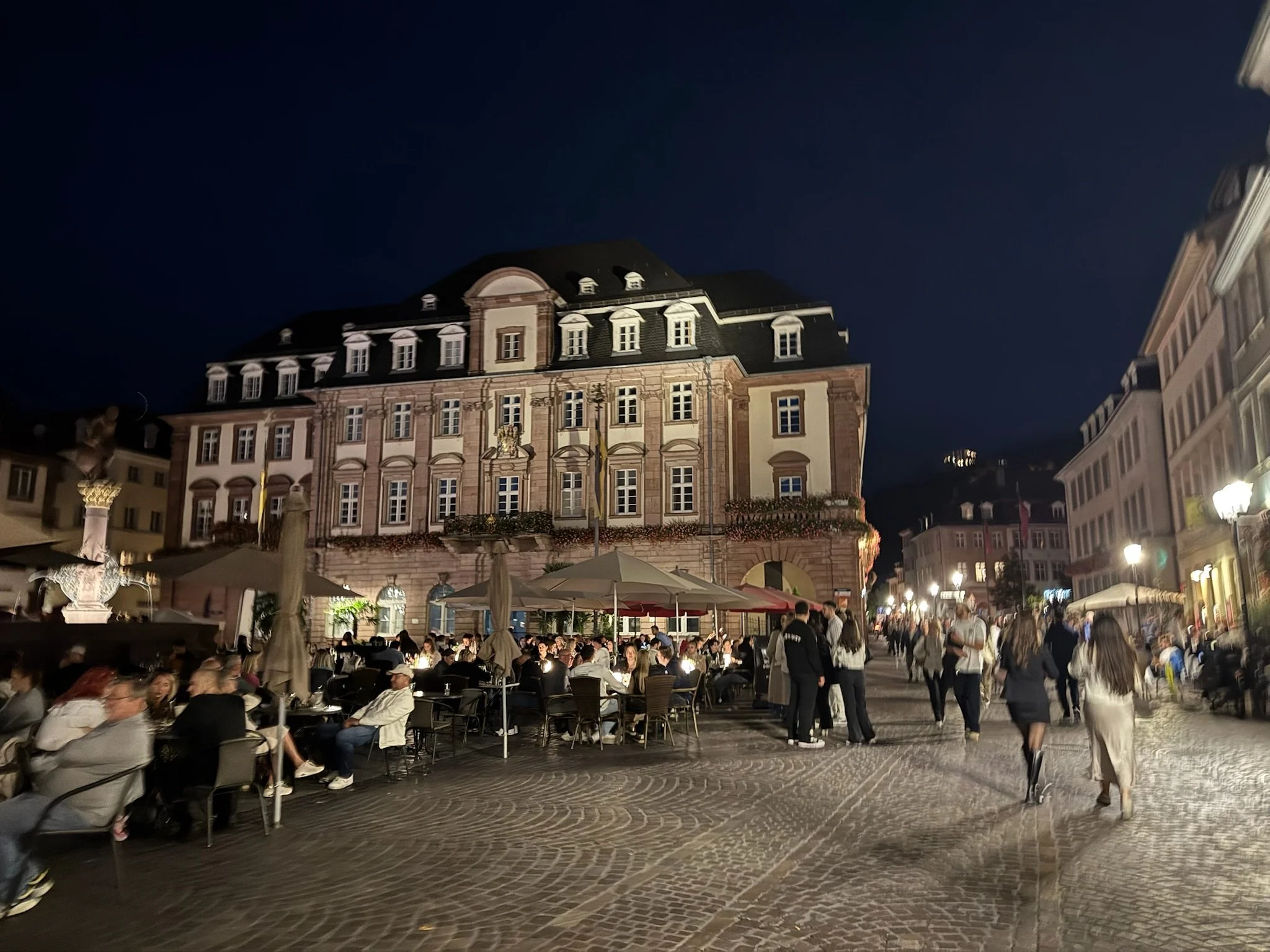
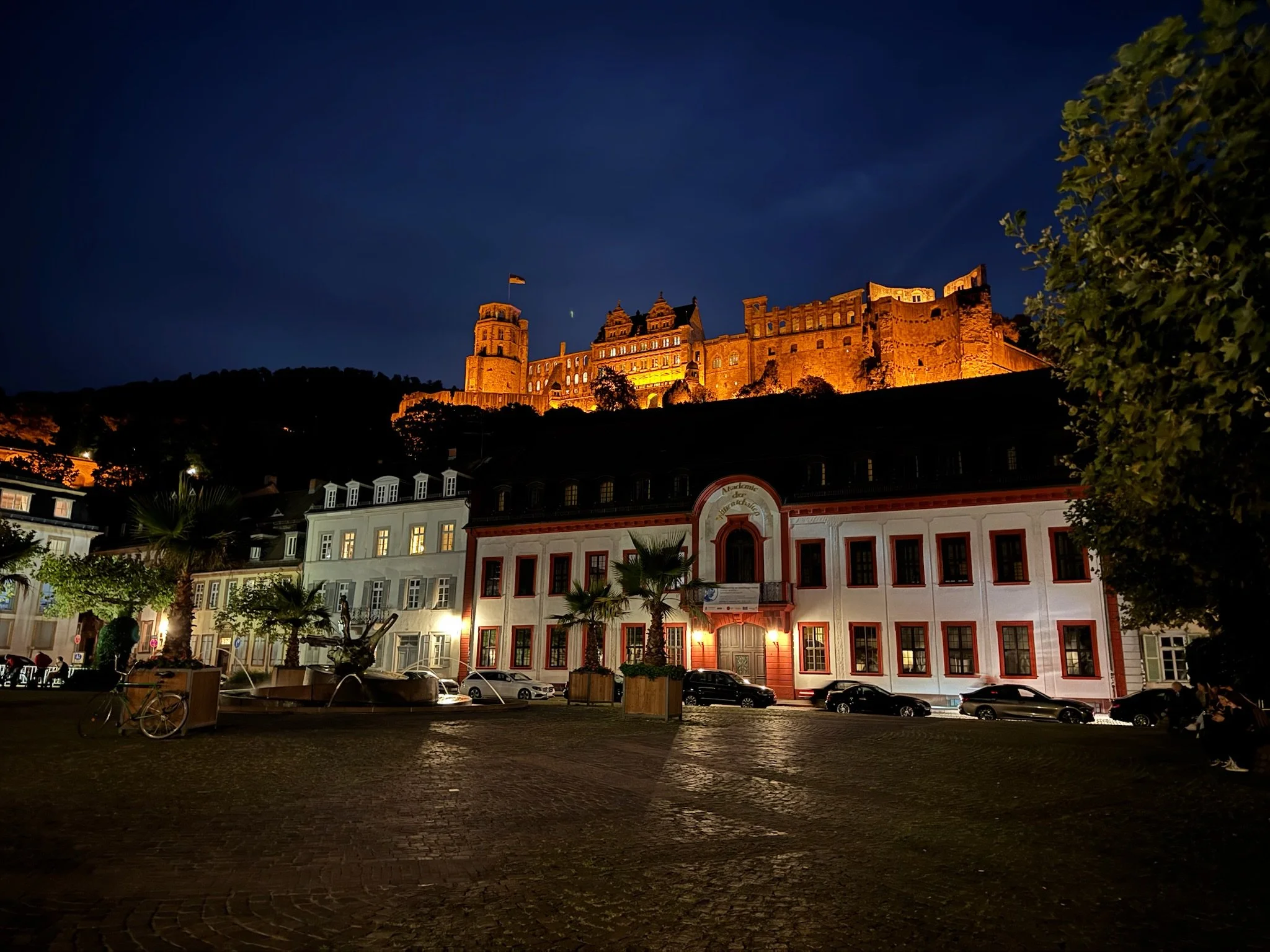
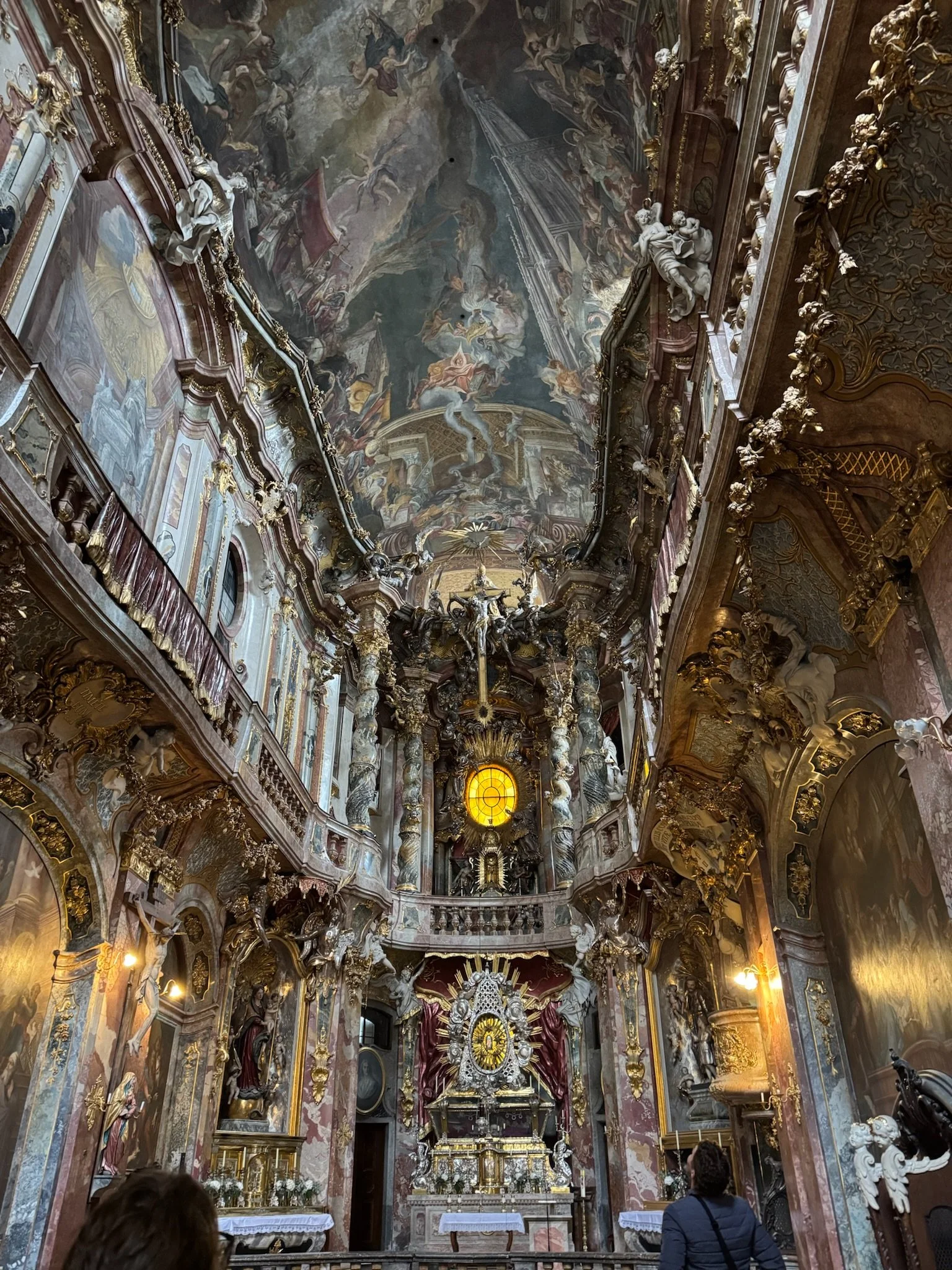


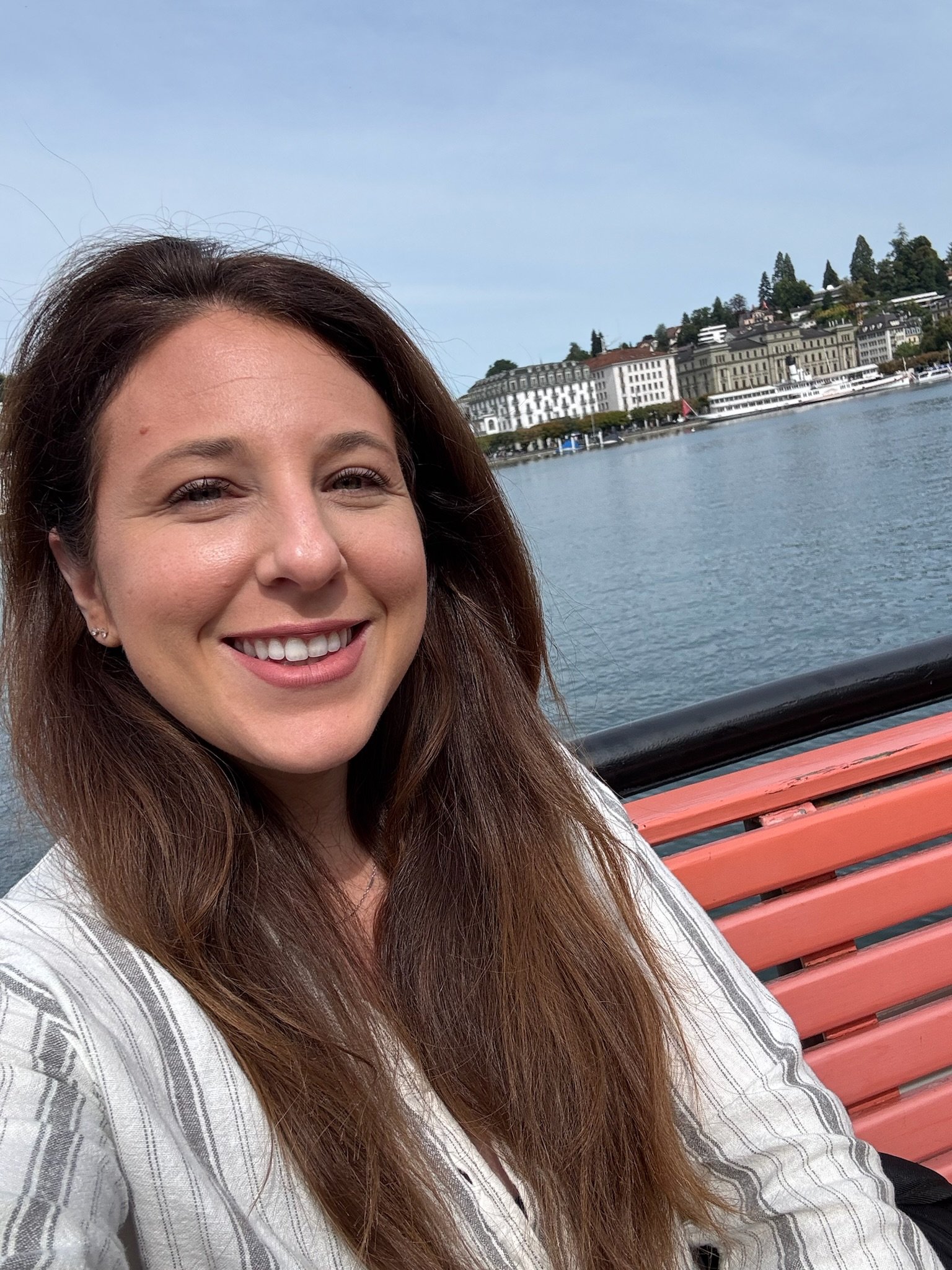
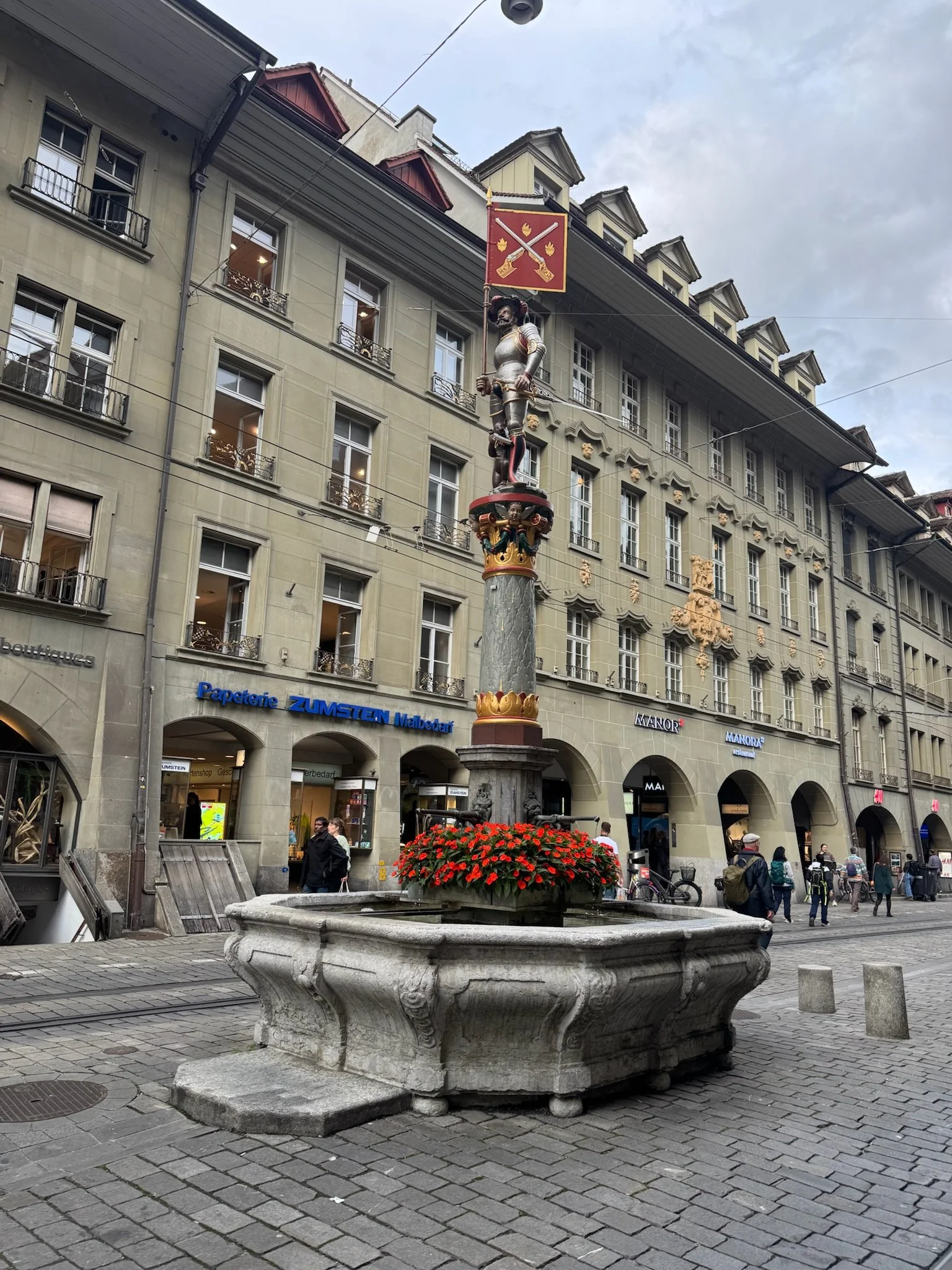
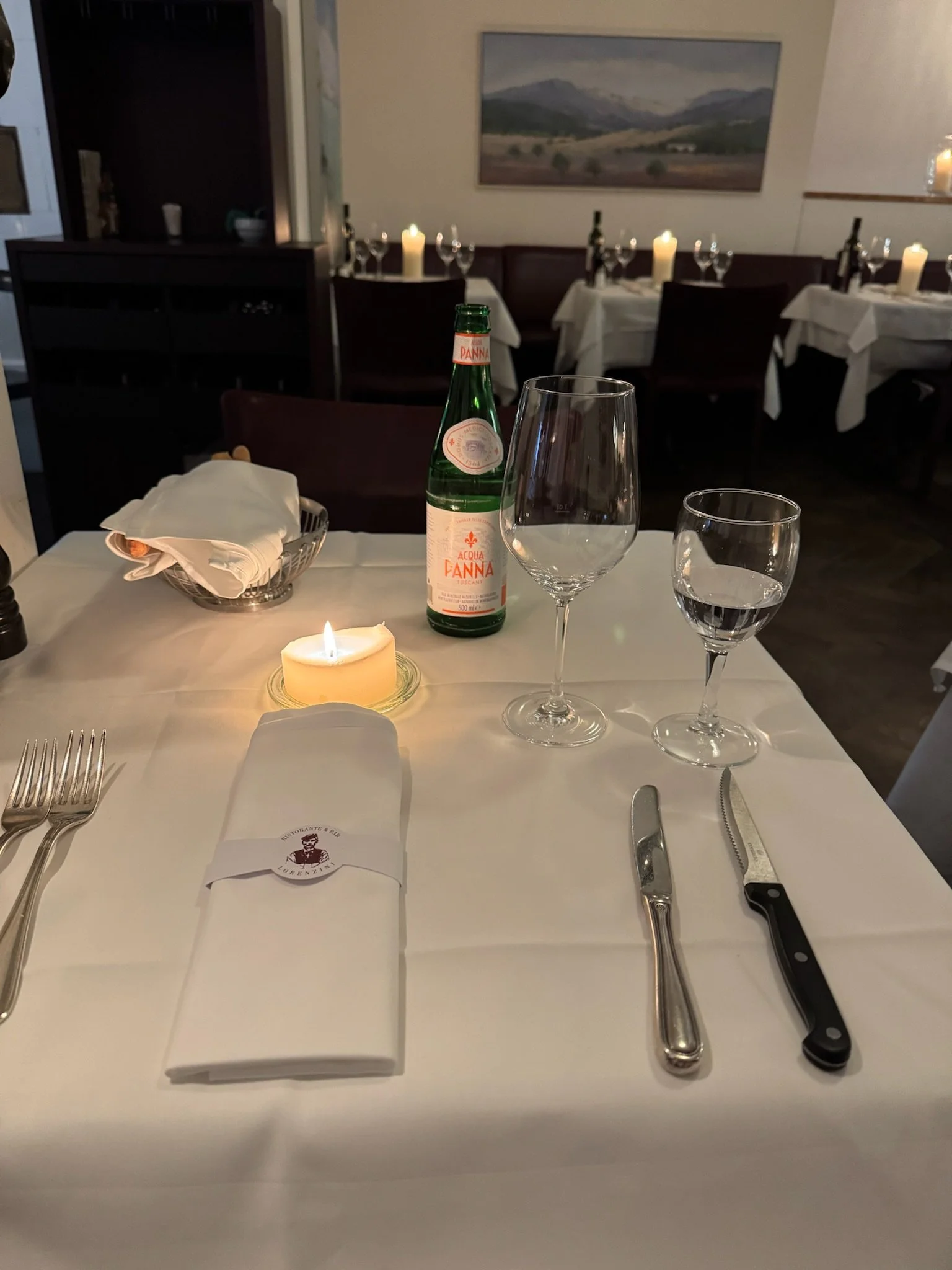
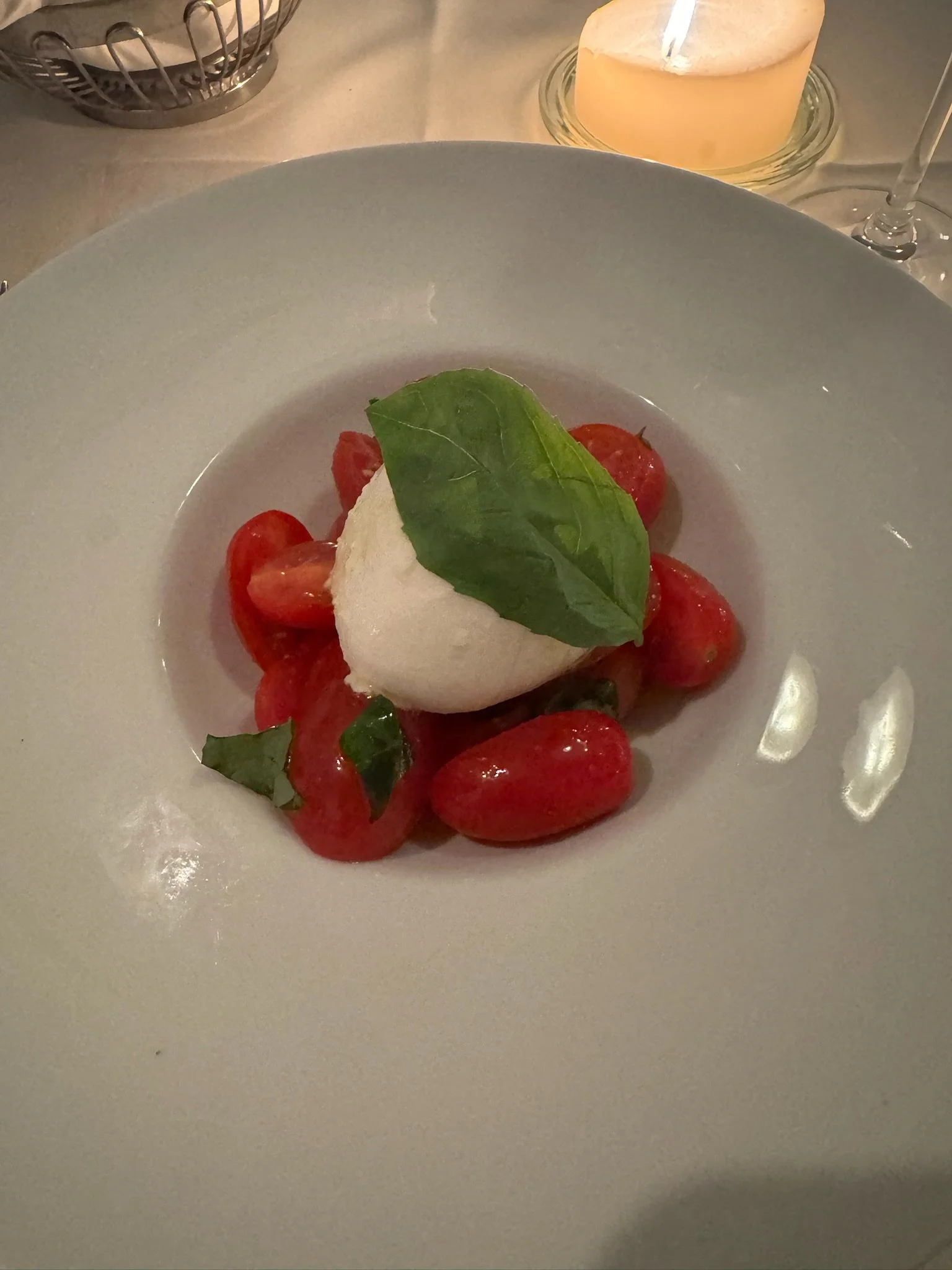
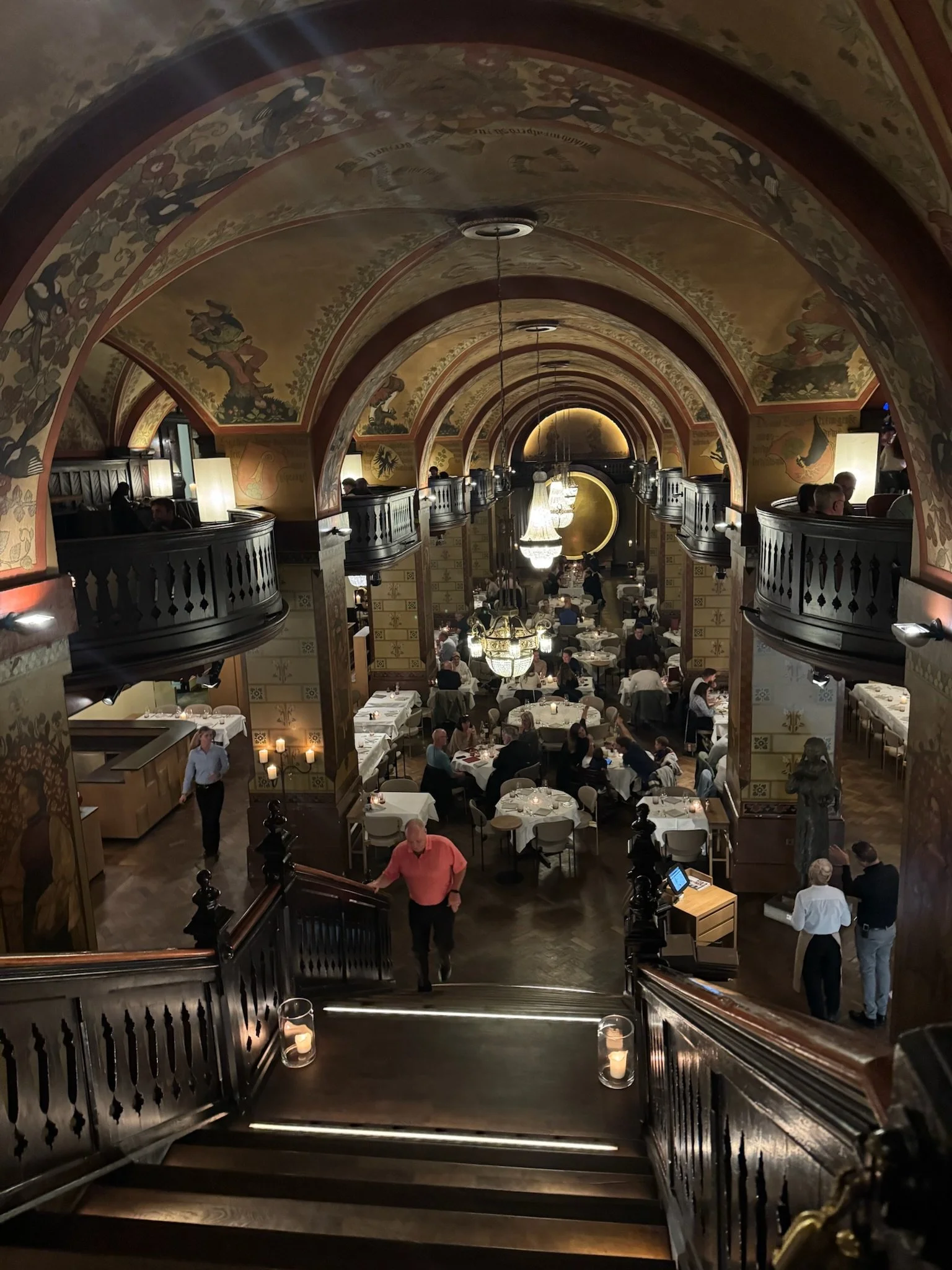
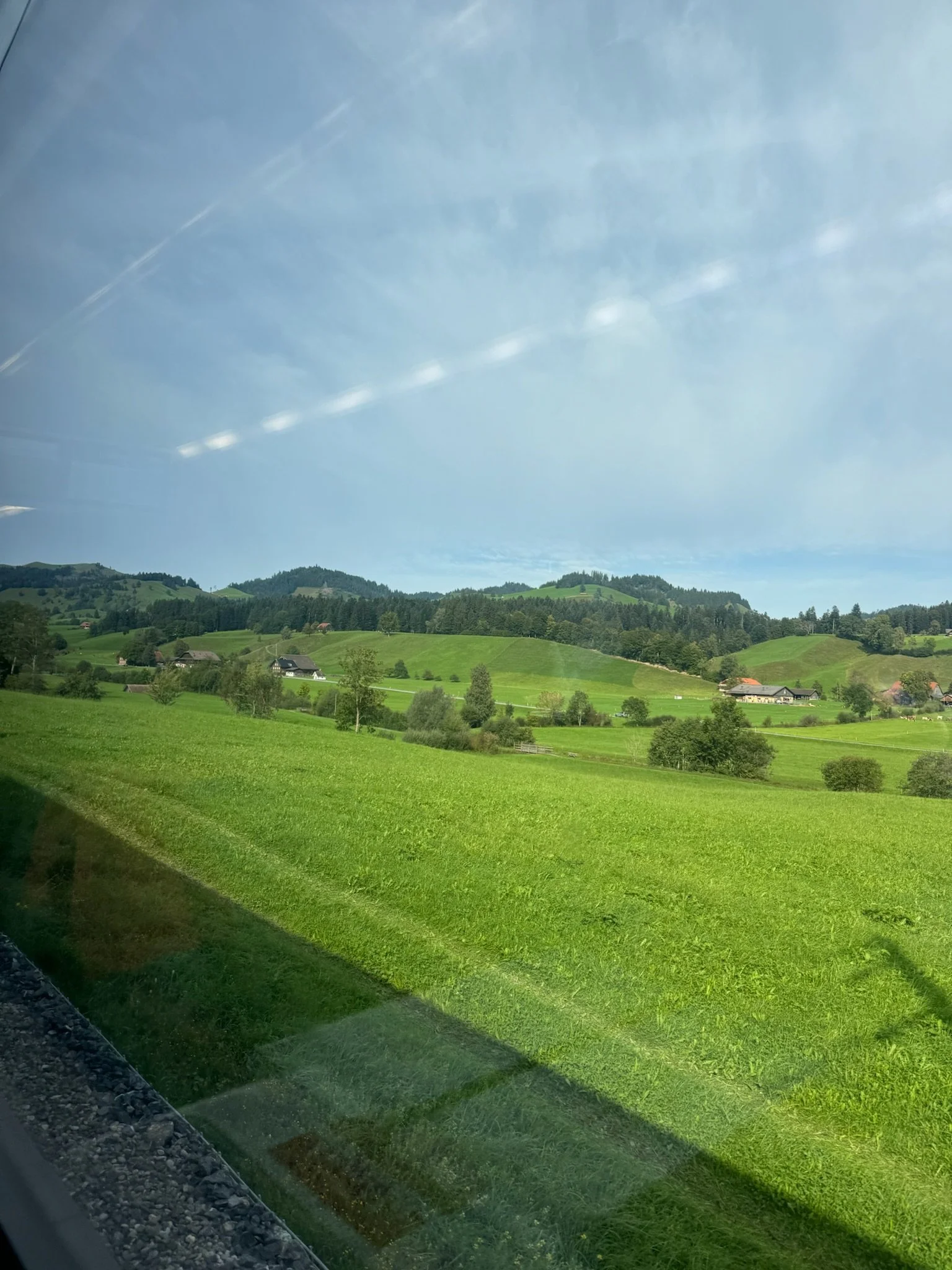
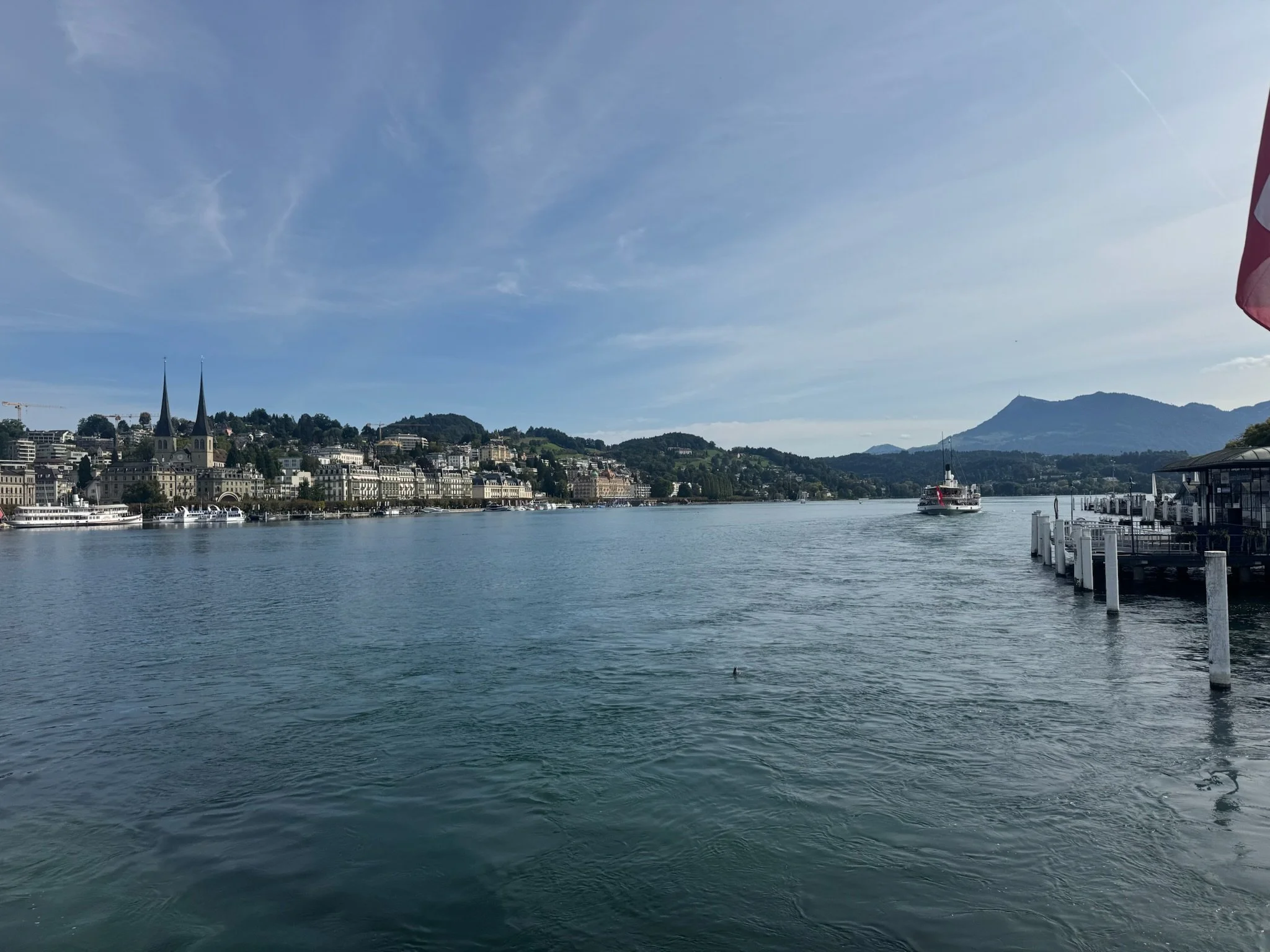
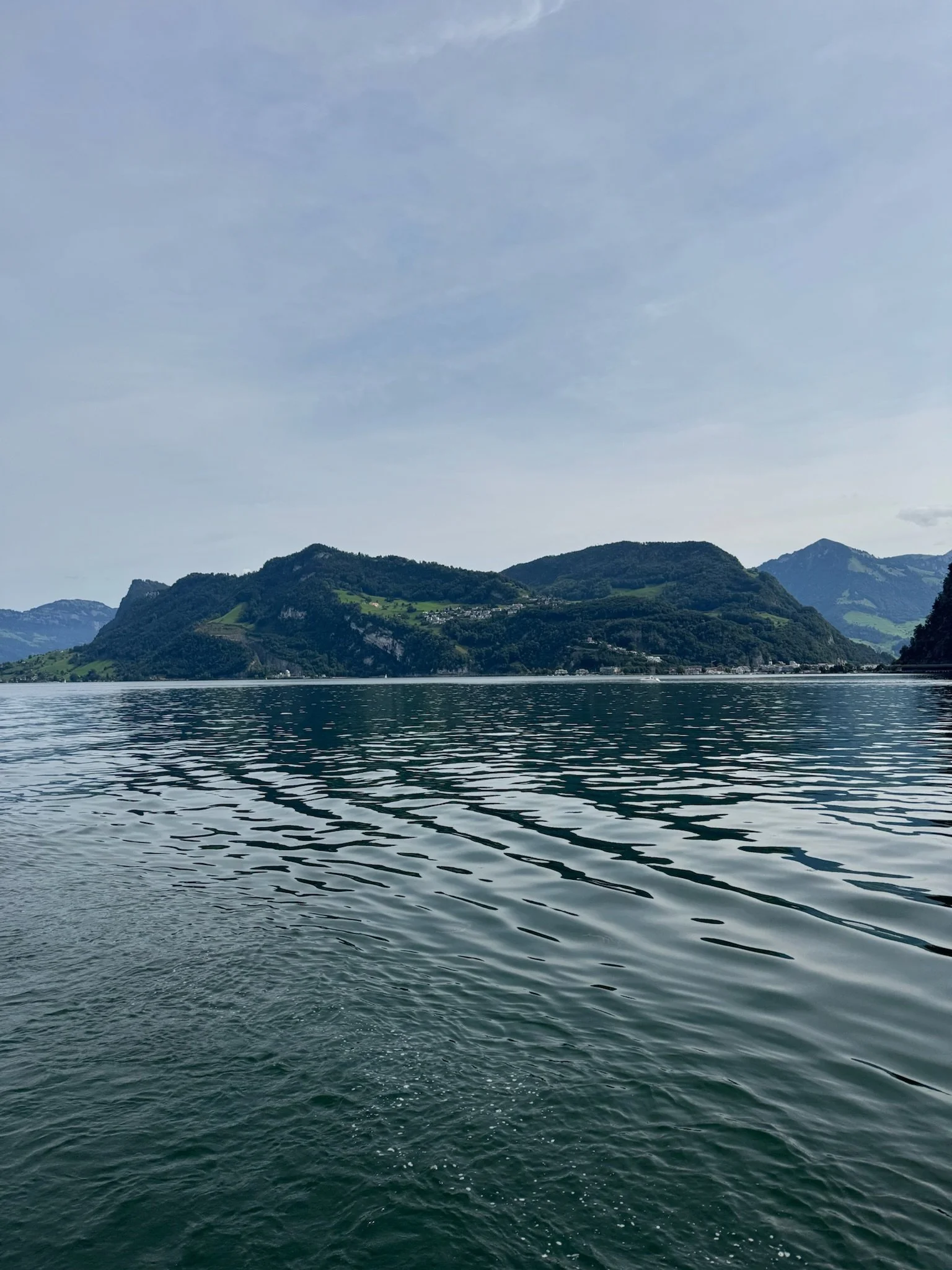
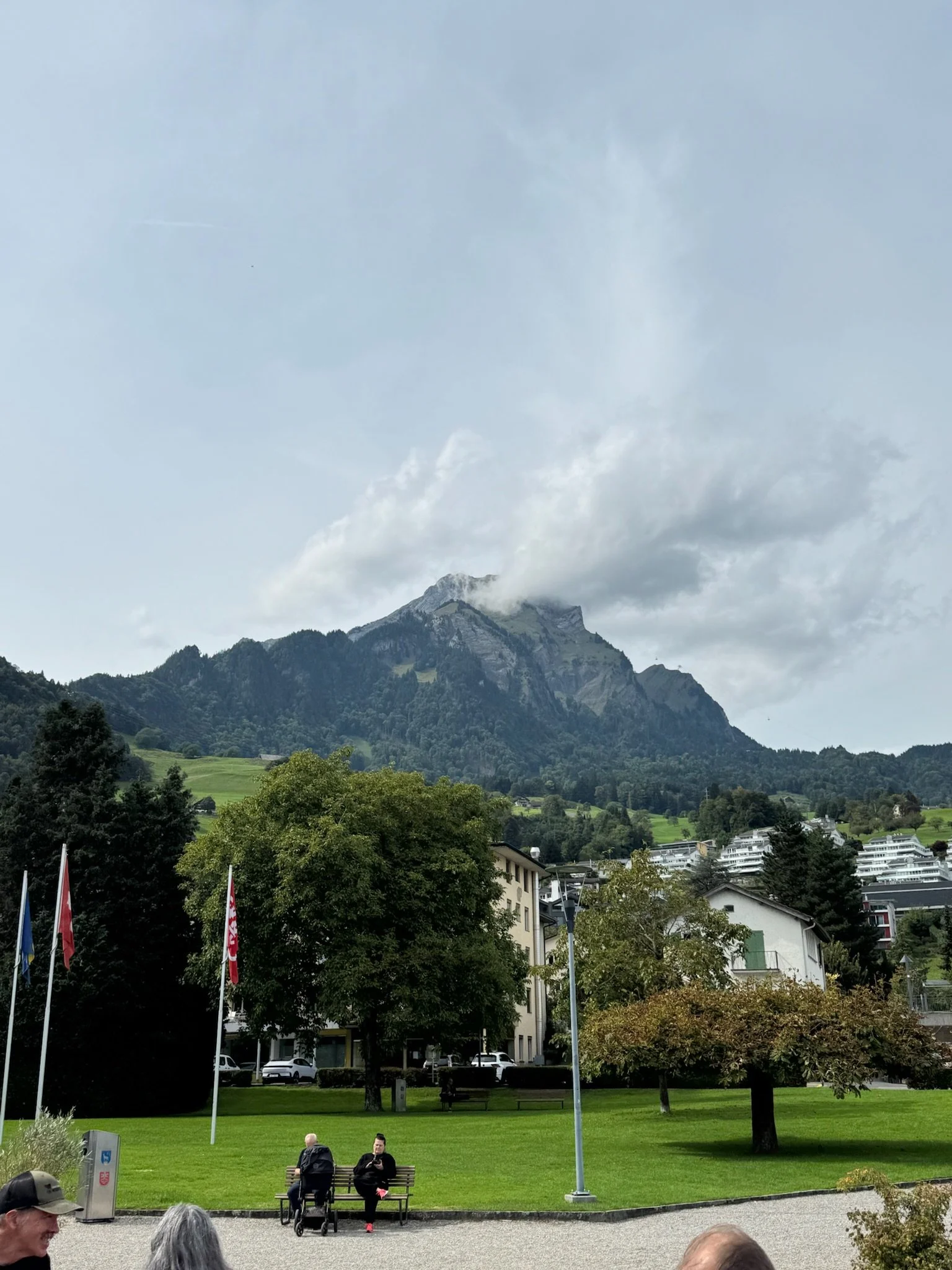
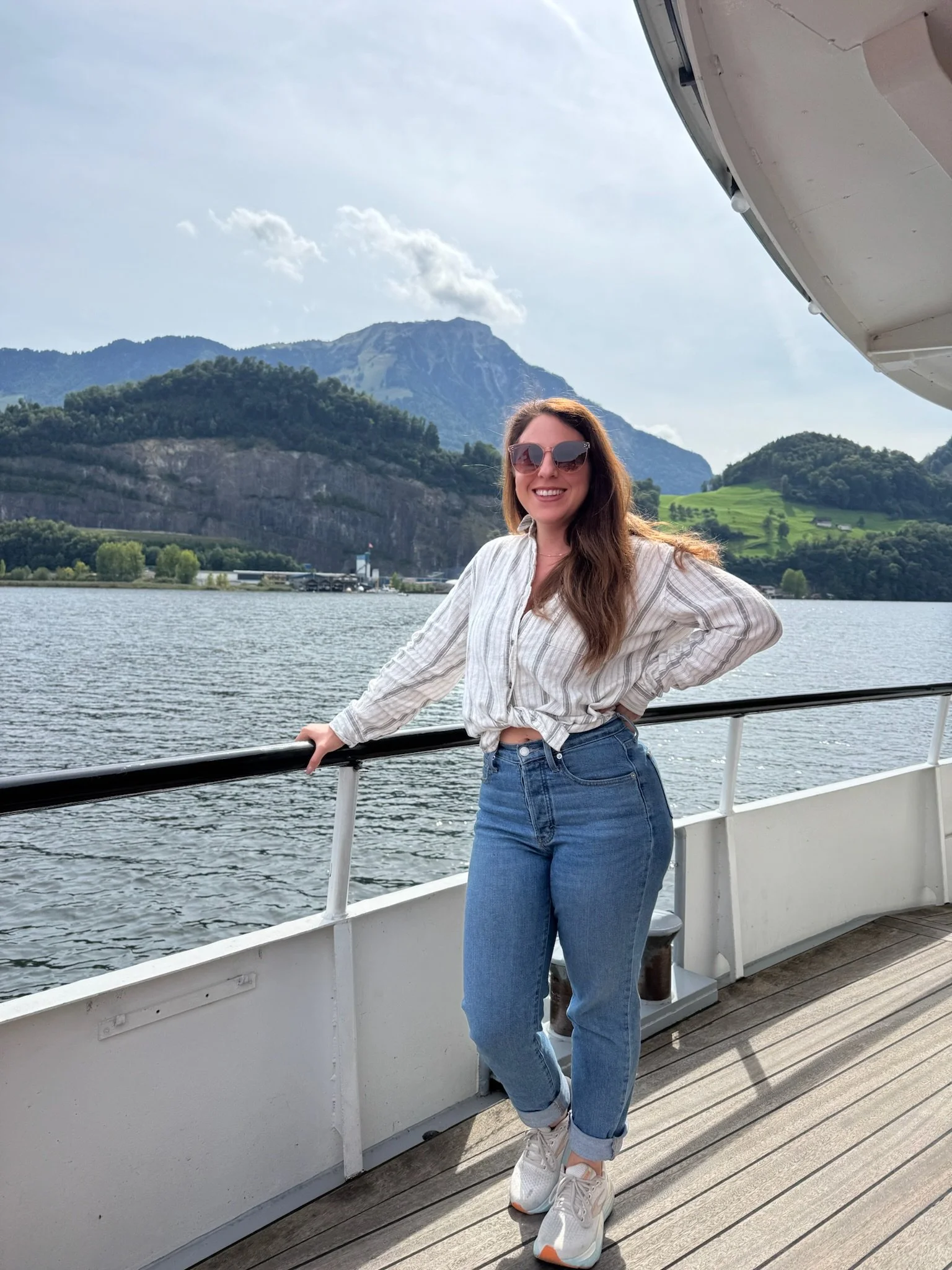
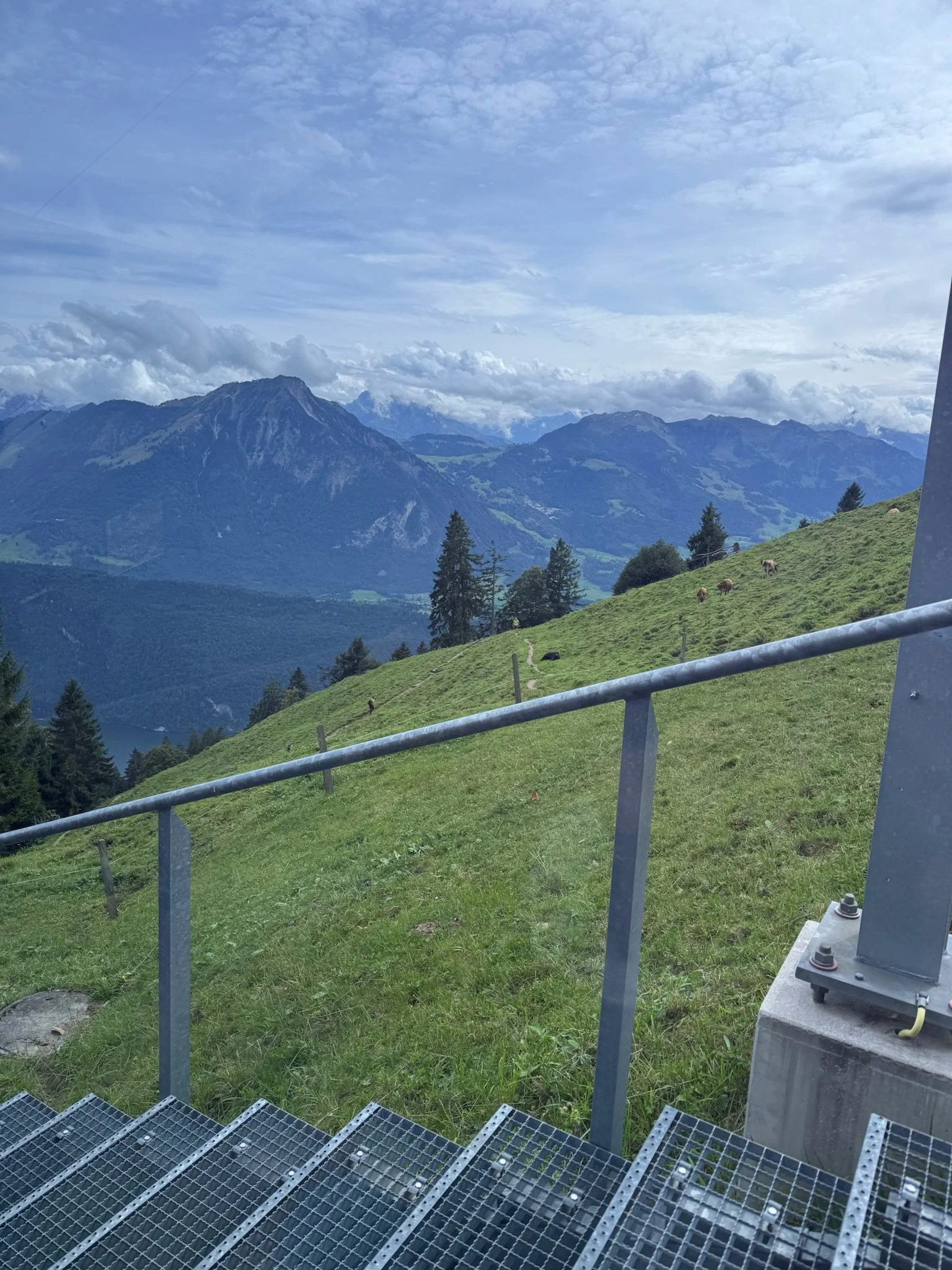
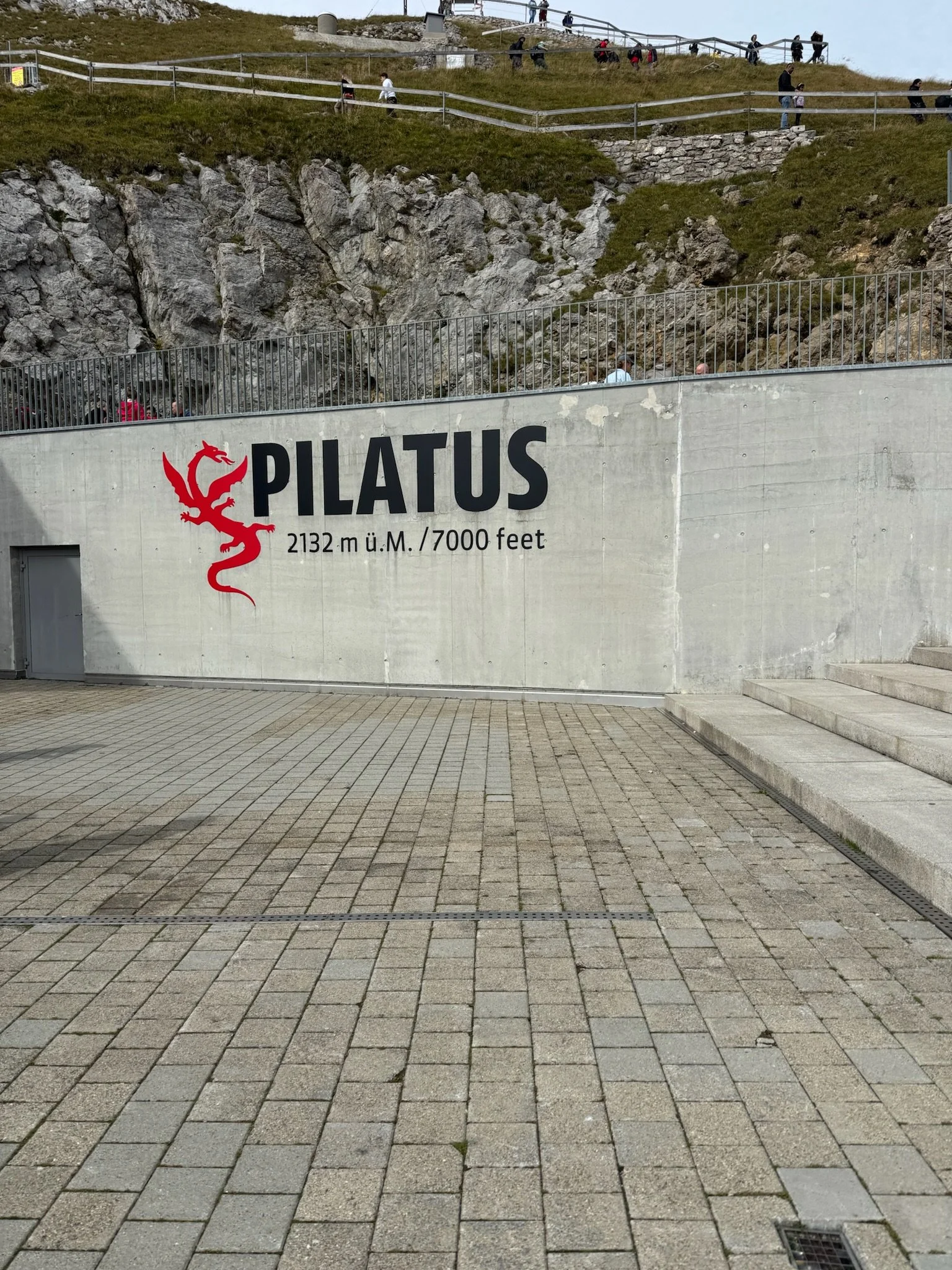
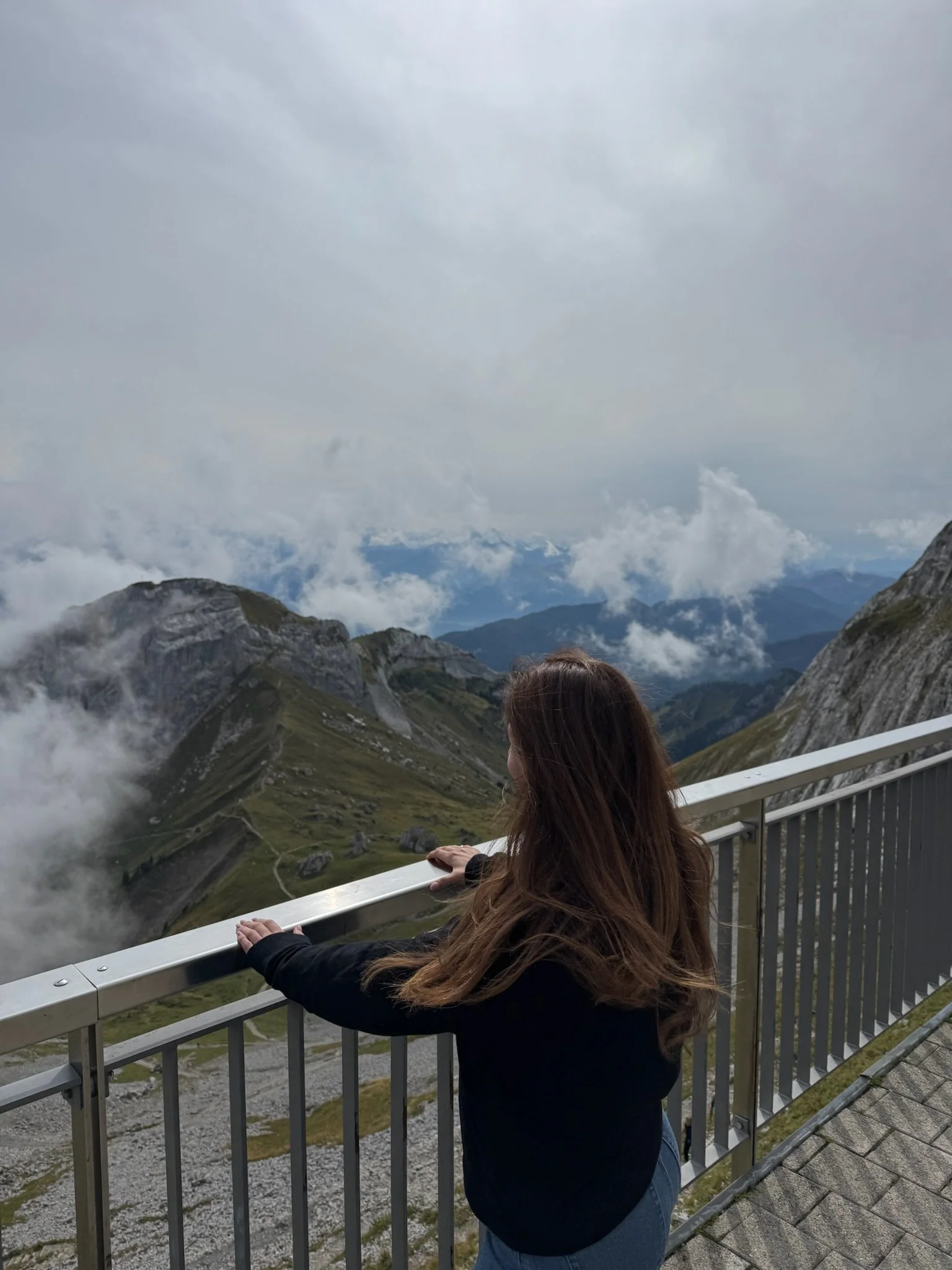
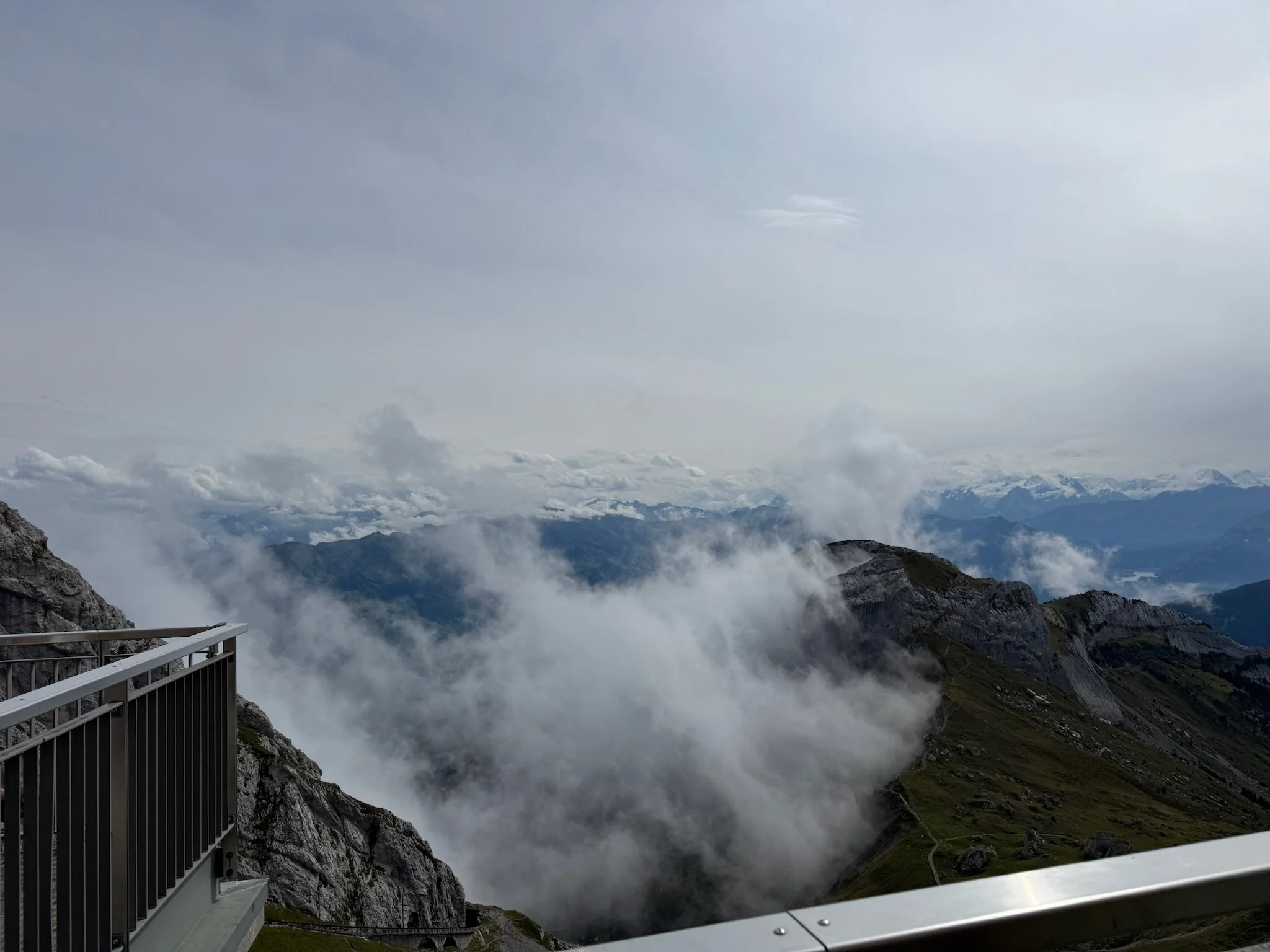
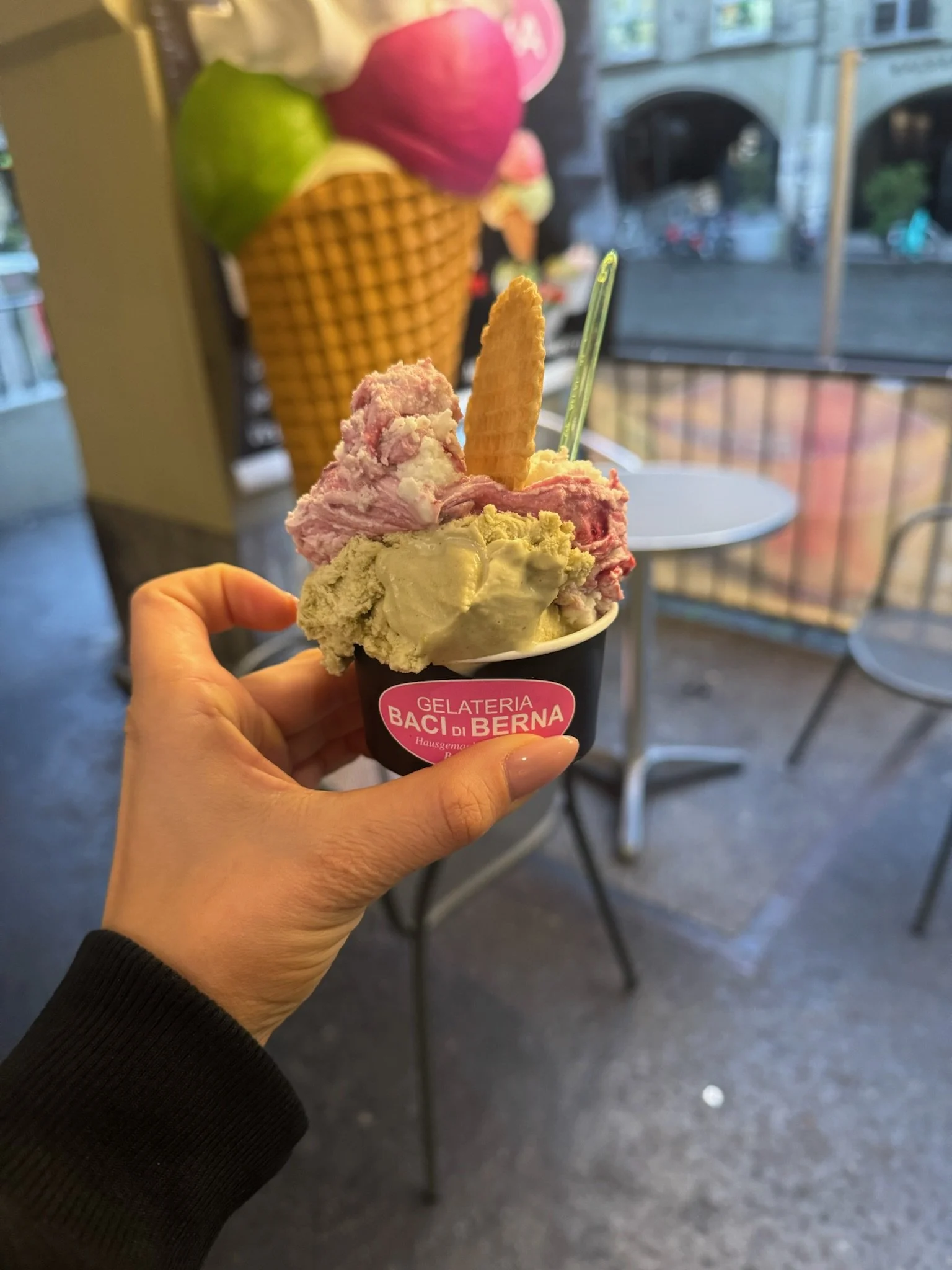
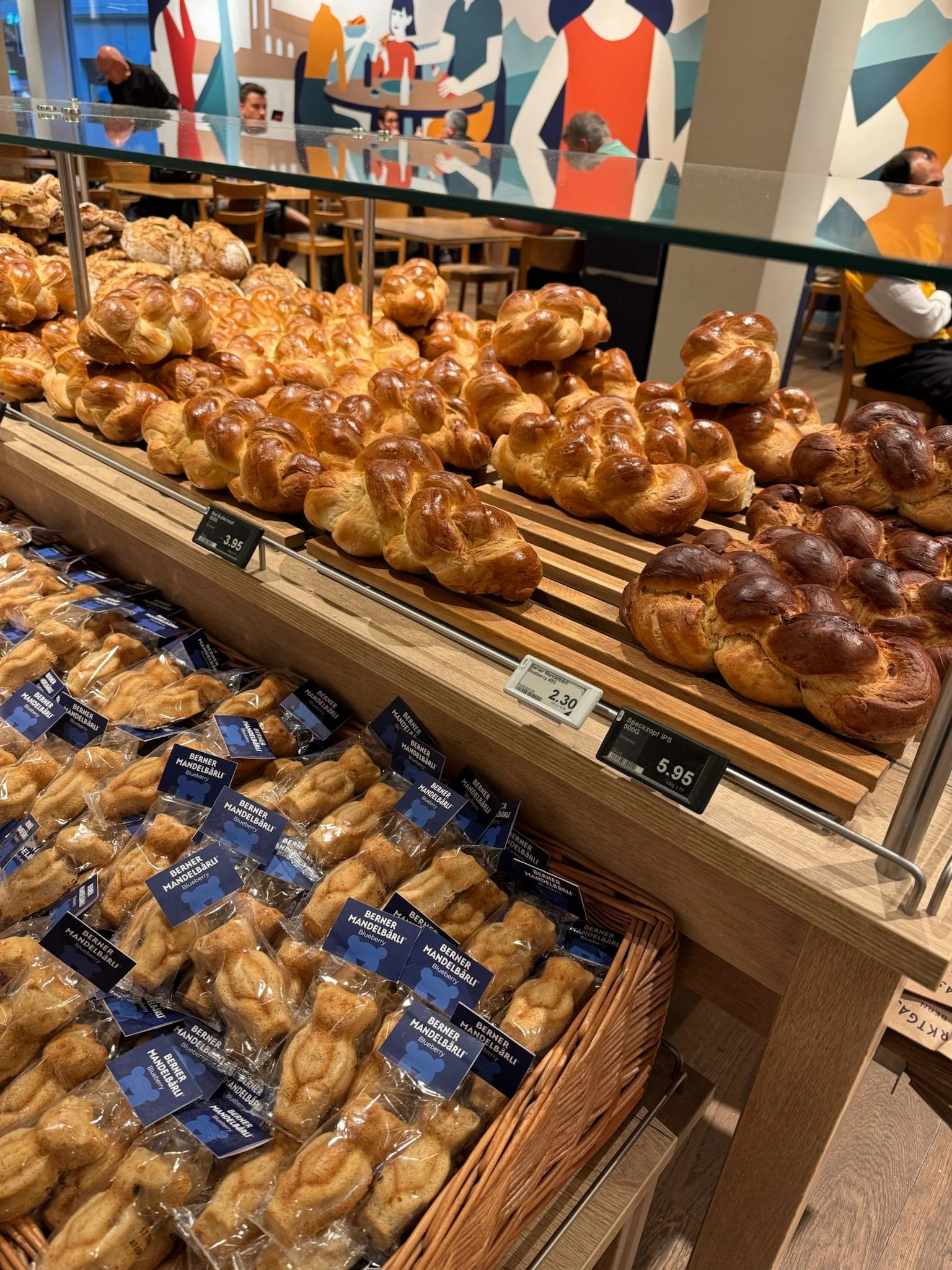
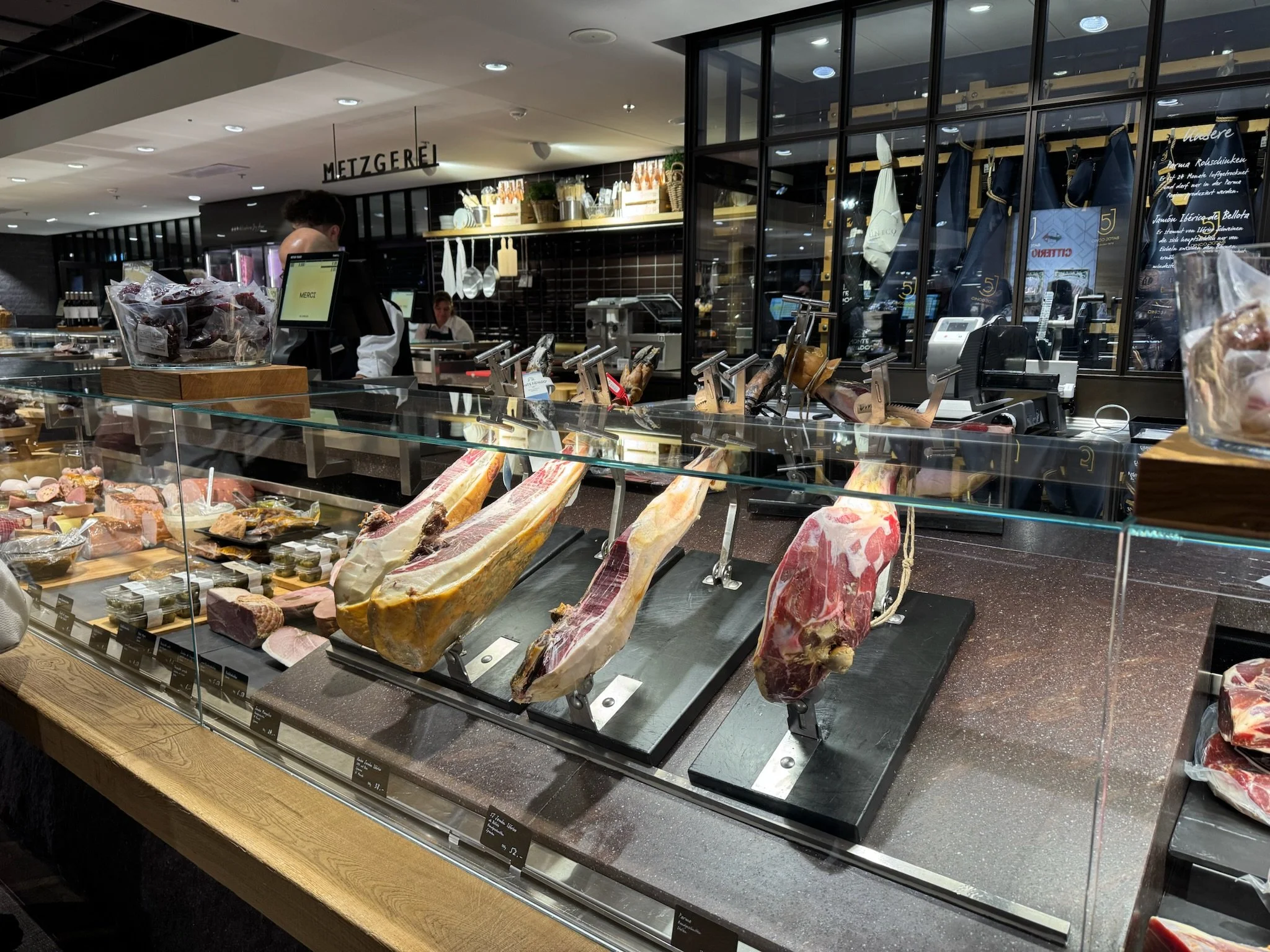
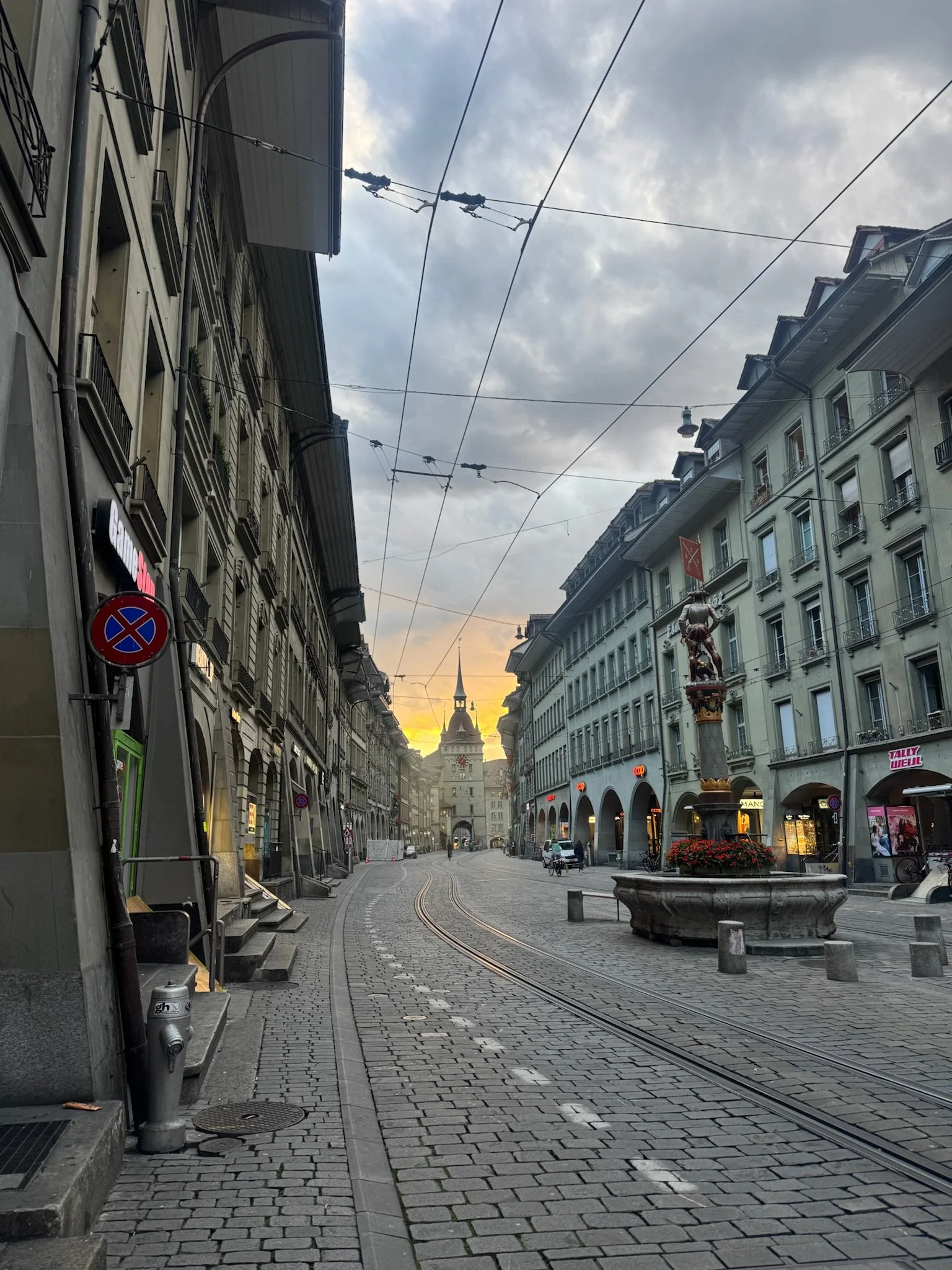
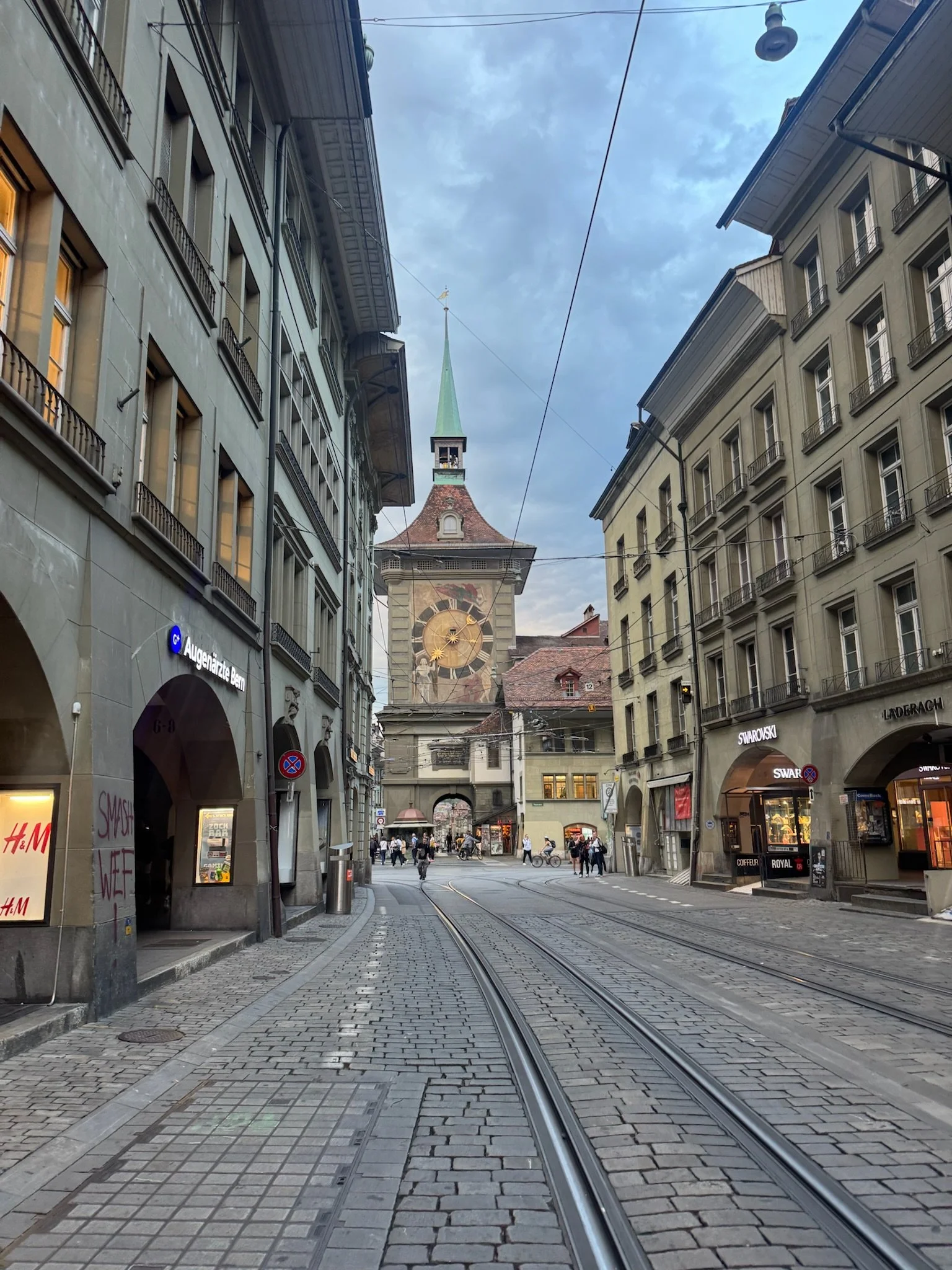
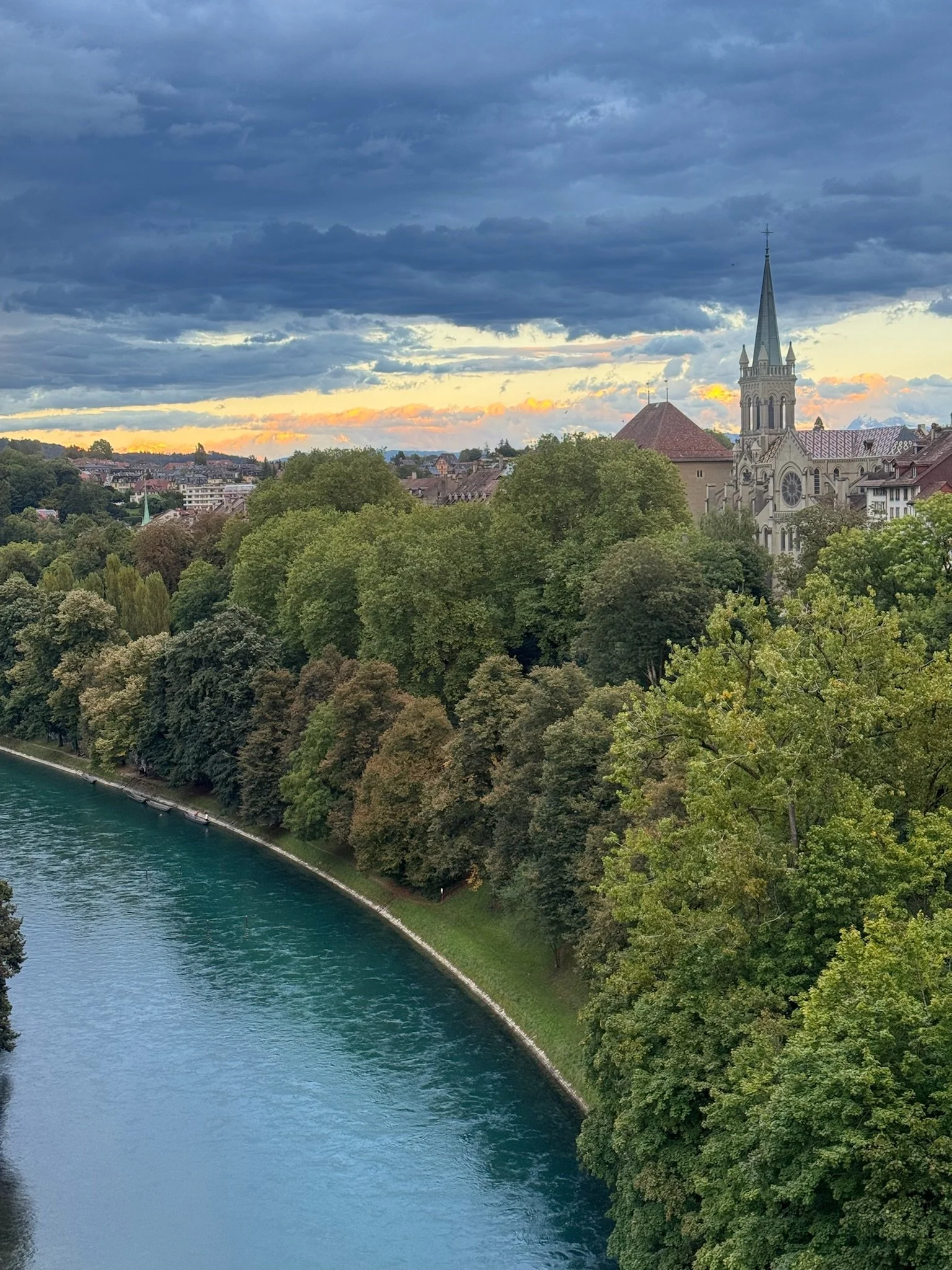
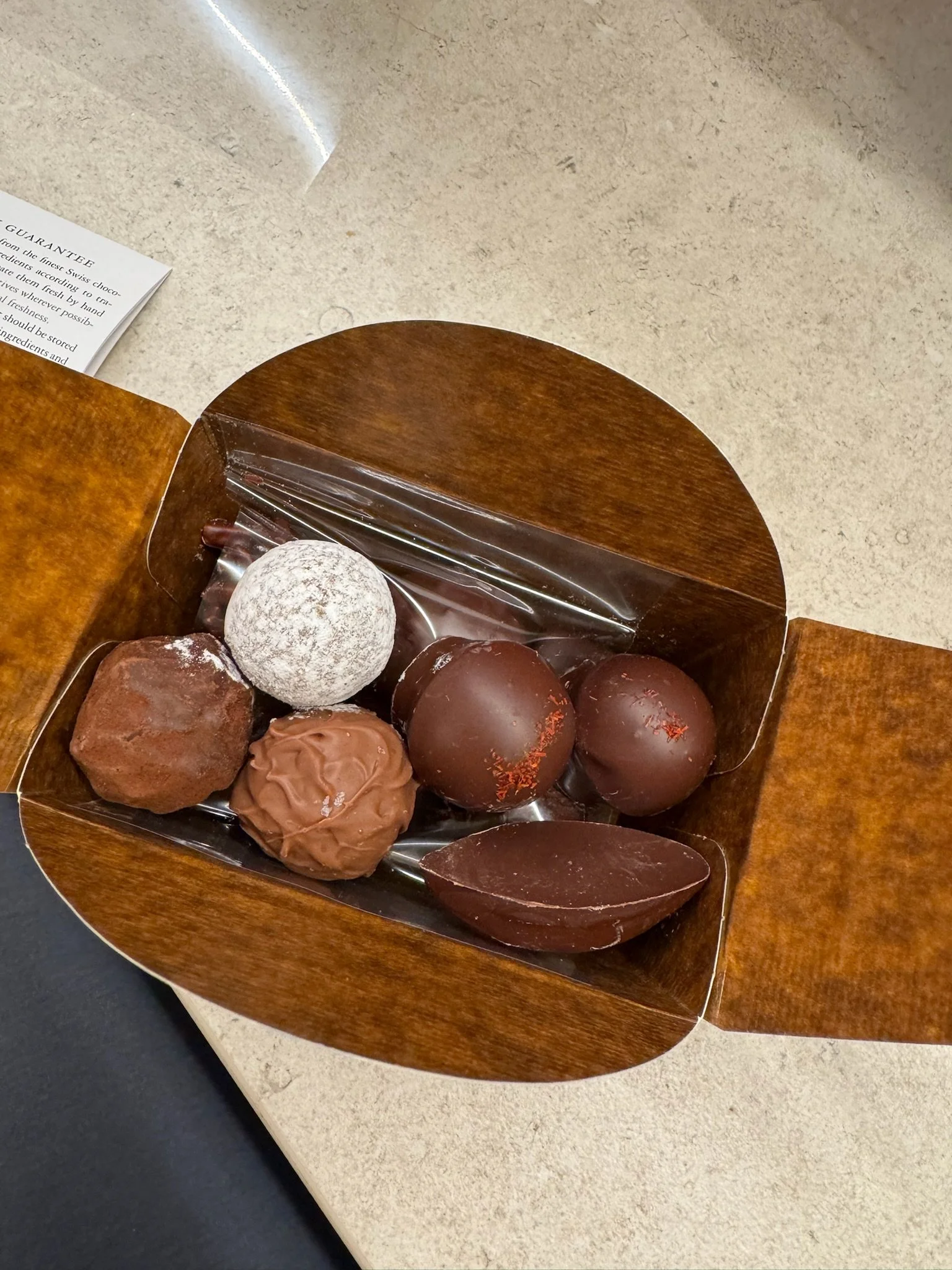
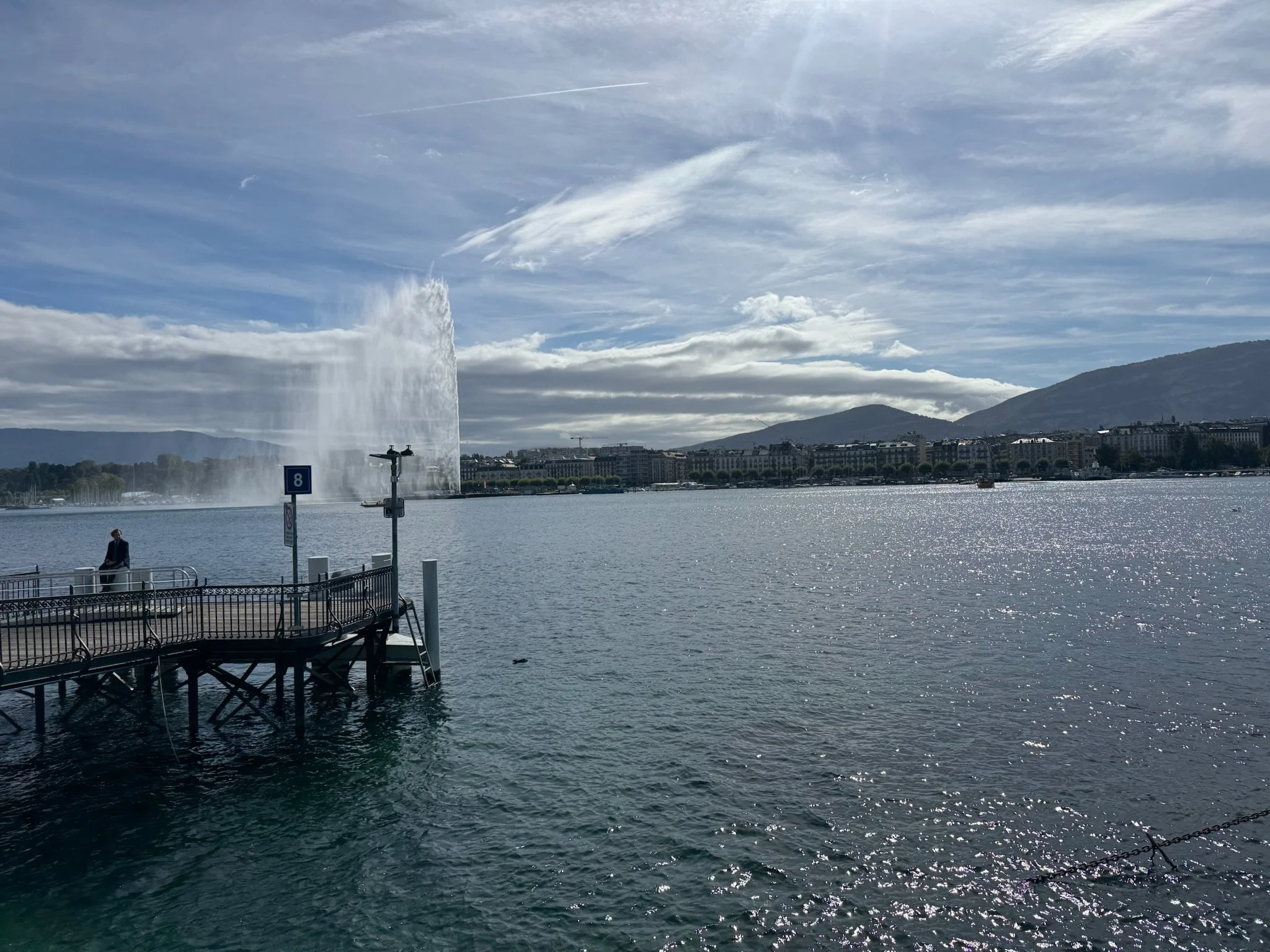
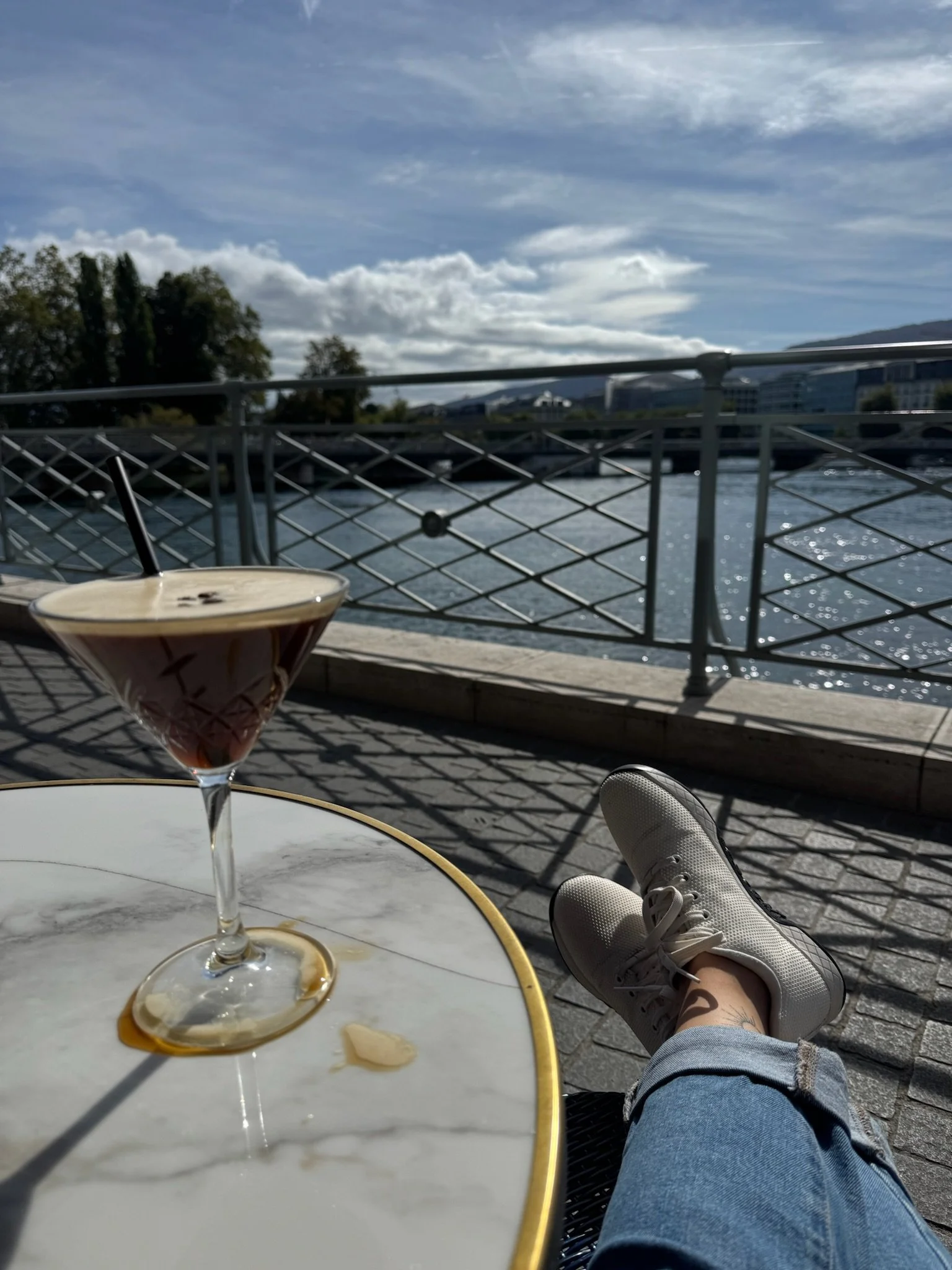

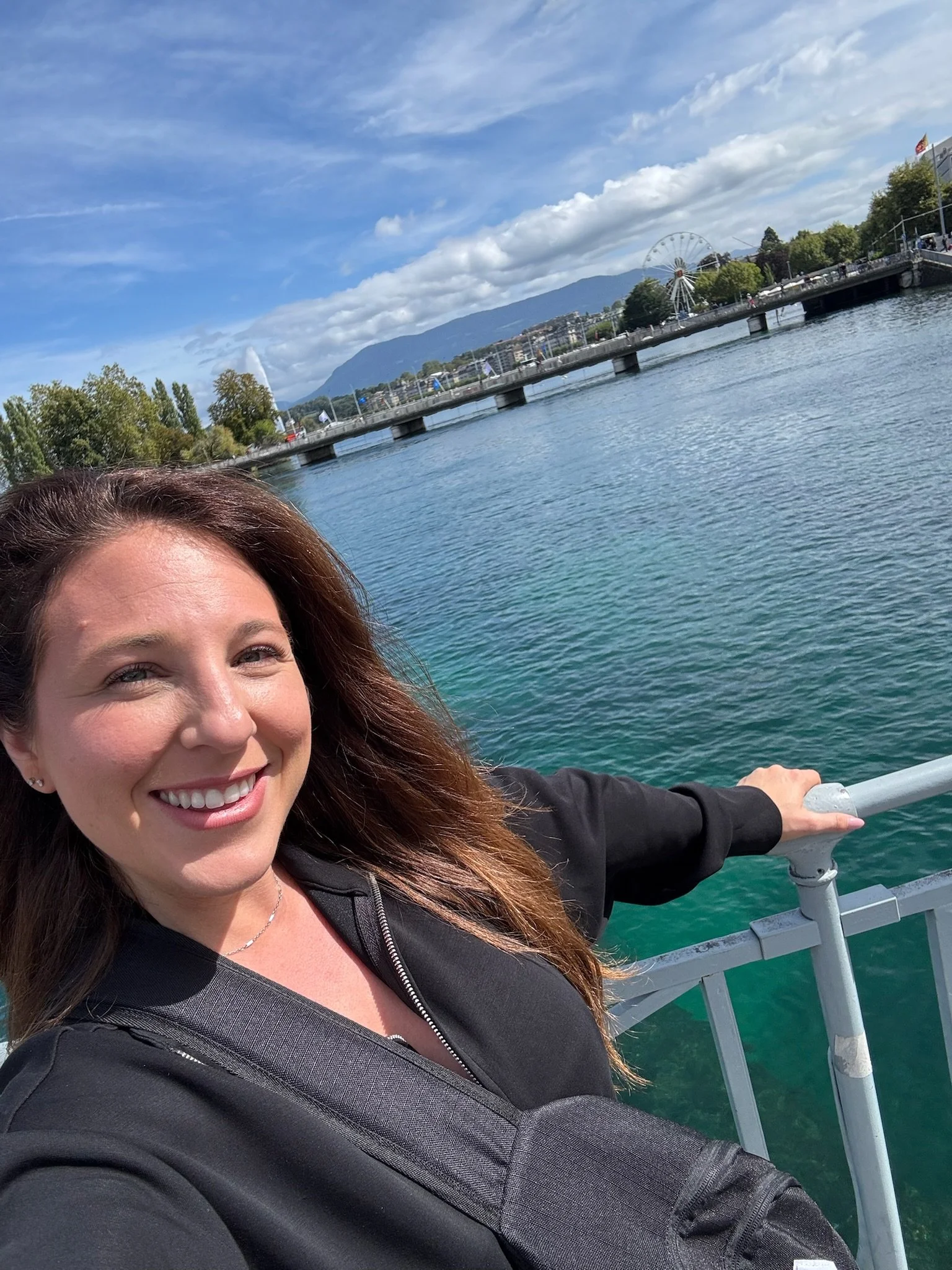
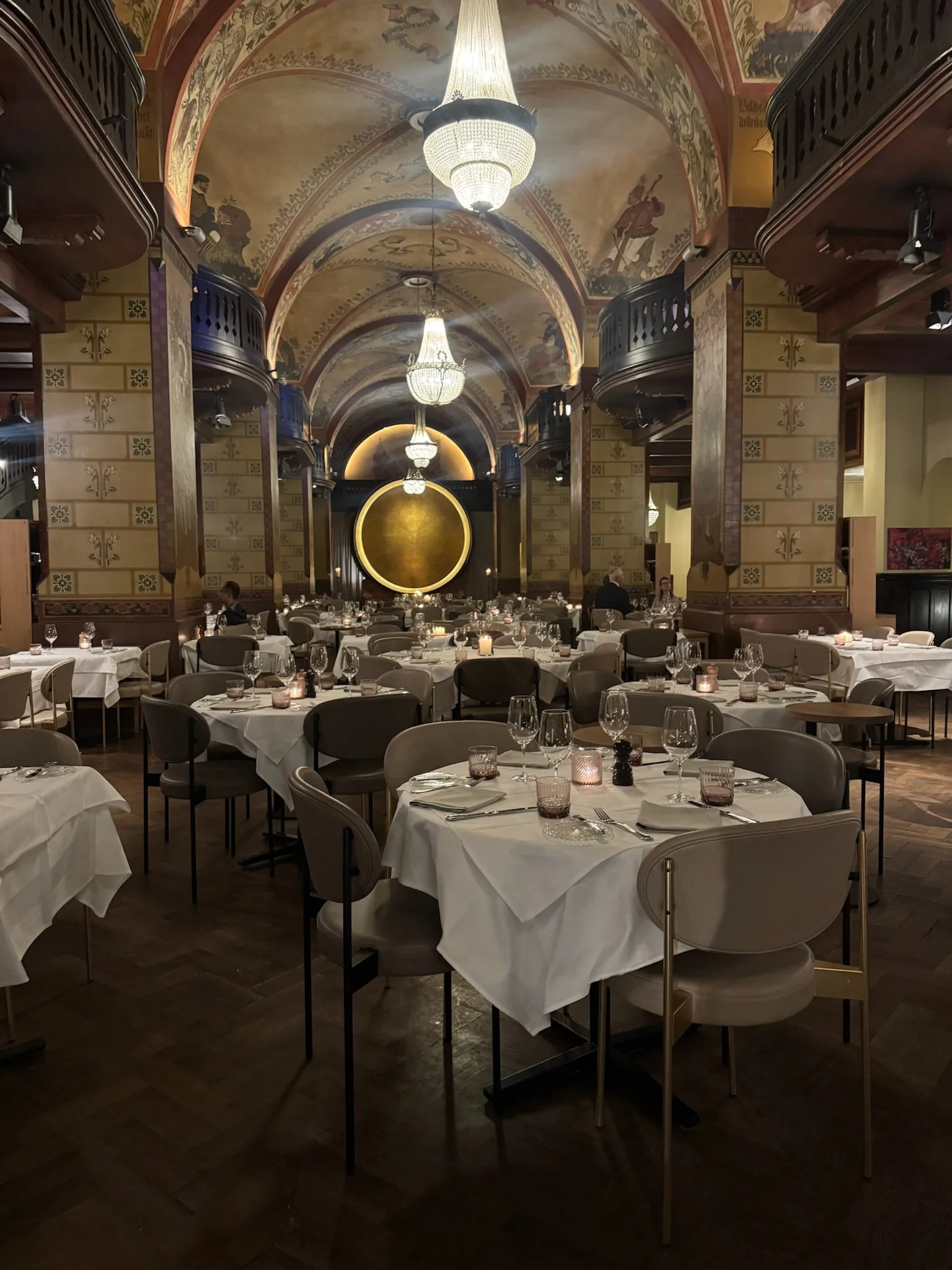
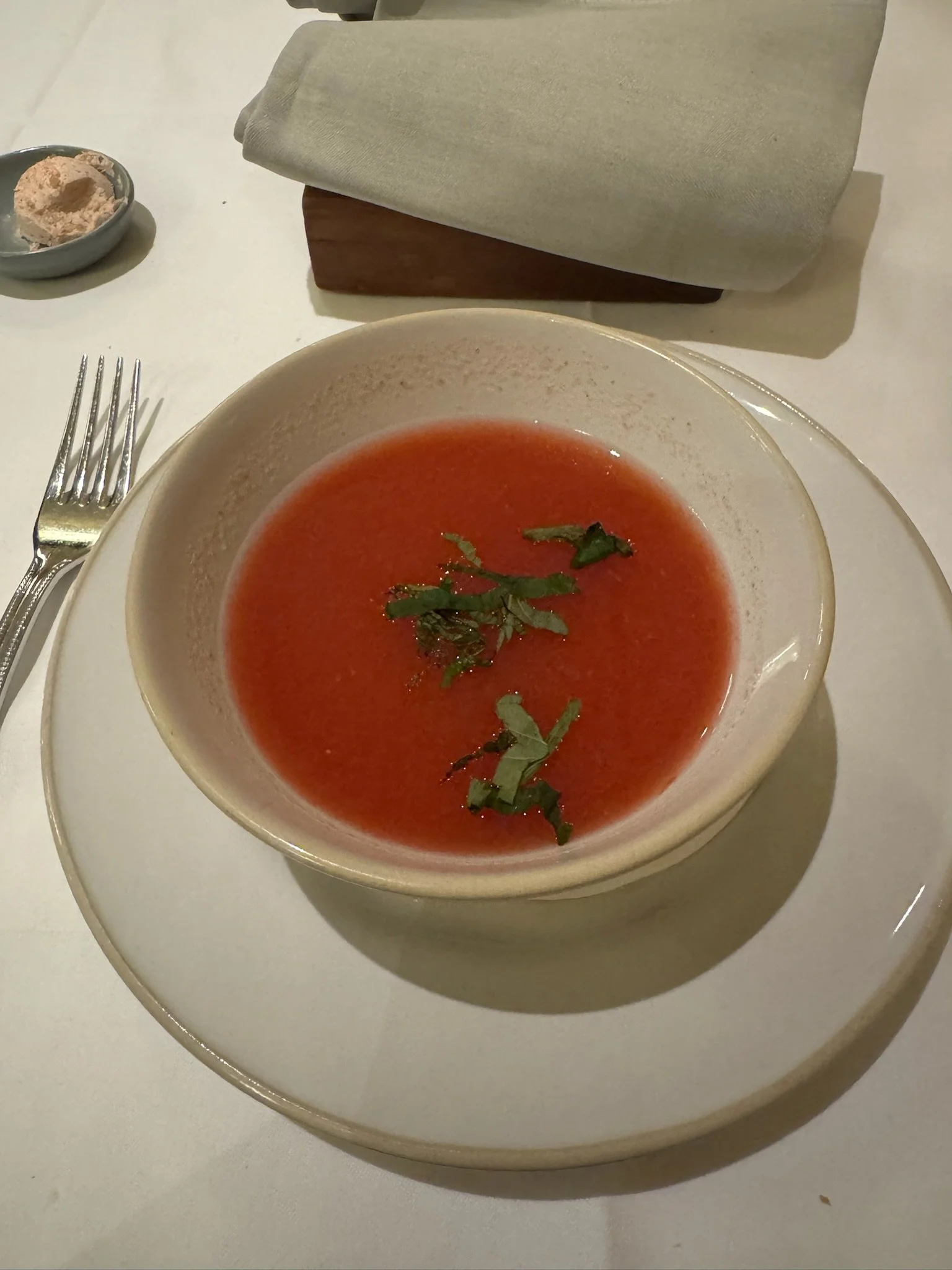
Switzerland next — Bern, Lucerne, the Schilthorn, Zürich. The Schilthorn sits at nearly 3,000 meters. The rotating restaurant at the summit, the fog rolling in low across the ridge, the kind of altitude that asks you to decide what you're made of. Rachel has a fear of heights. She went anyway. The Alps do something to you. They remind you that your problems, however real, are a manageable size.
Then the pivot south. Rachel had been solo for the first two and a half weeks — by design. She wanted that time to herself before Lexy, her closest friend, flew in to join her for Greece and Italy. The two of them landed in Athens together, and one of the first things Rachel did was find a synagogue and send me a photo with no preamble — just "Look at how beautiful this shul is!" Then Santorini, where she spent Rosh Hashana. Then the Amalfi Coast — the walk, the water, the towns that take time to actually know. She wanted to arrive somewhere and stay, not just collect.
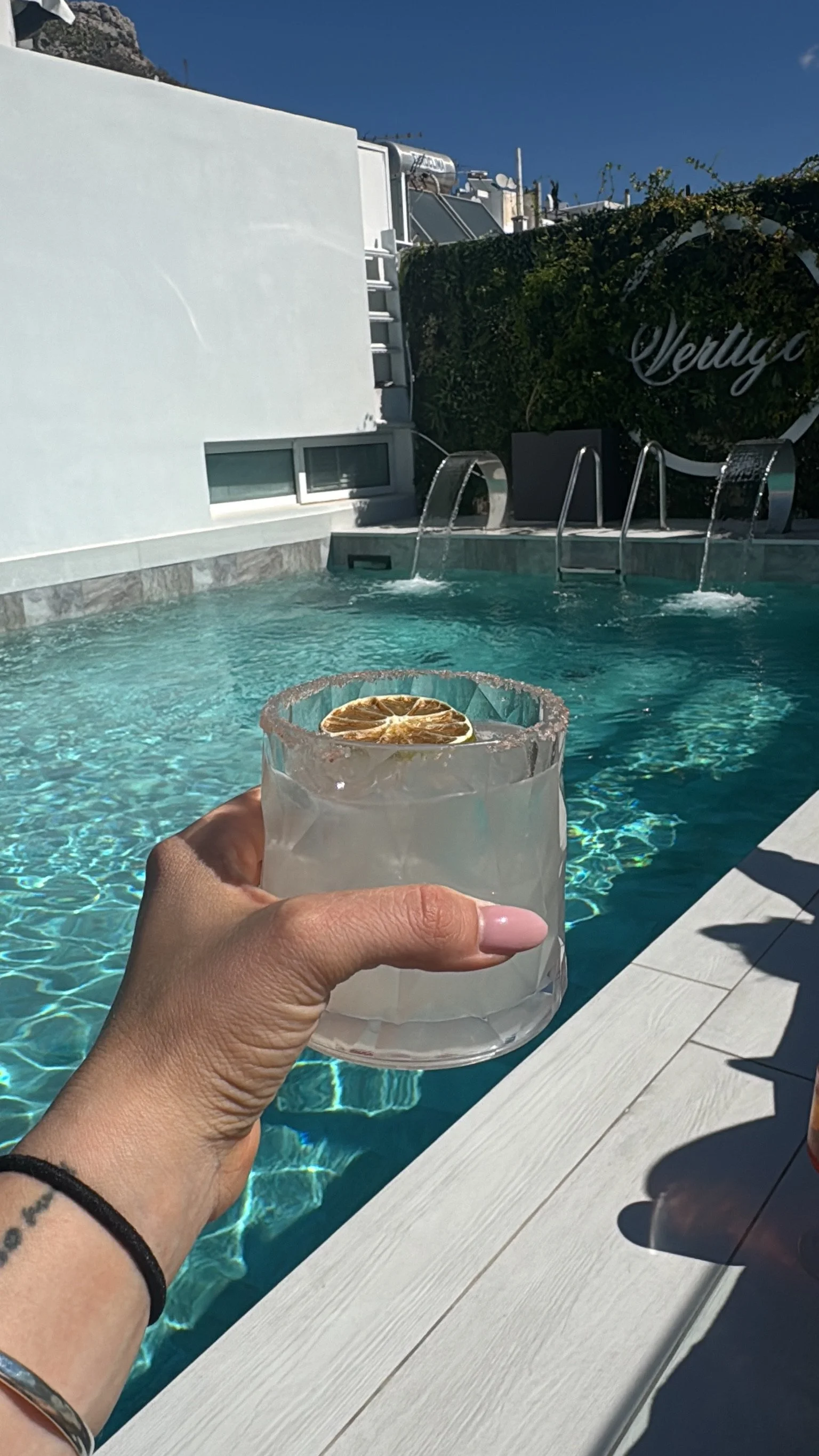
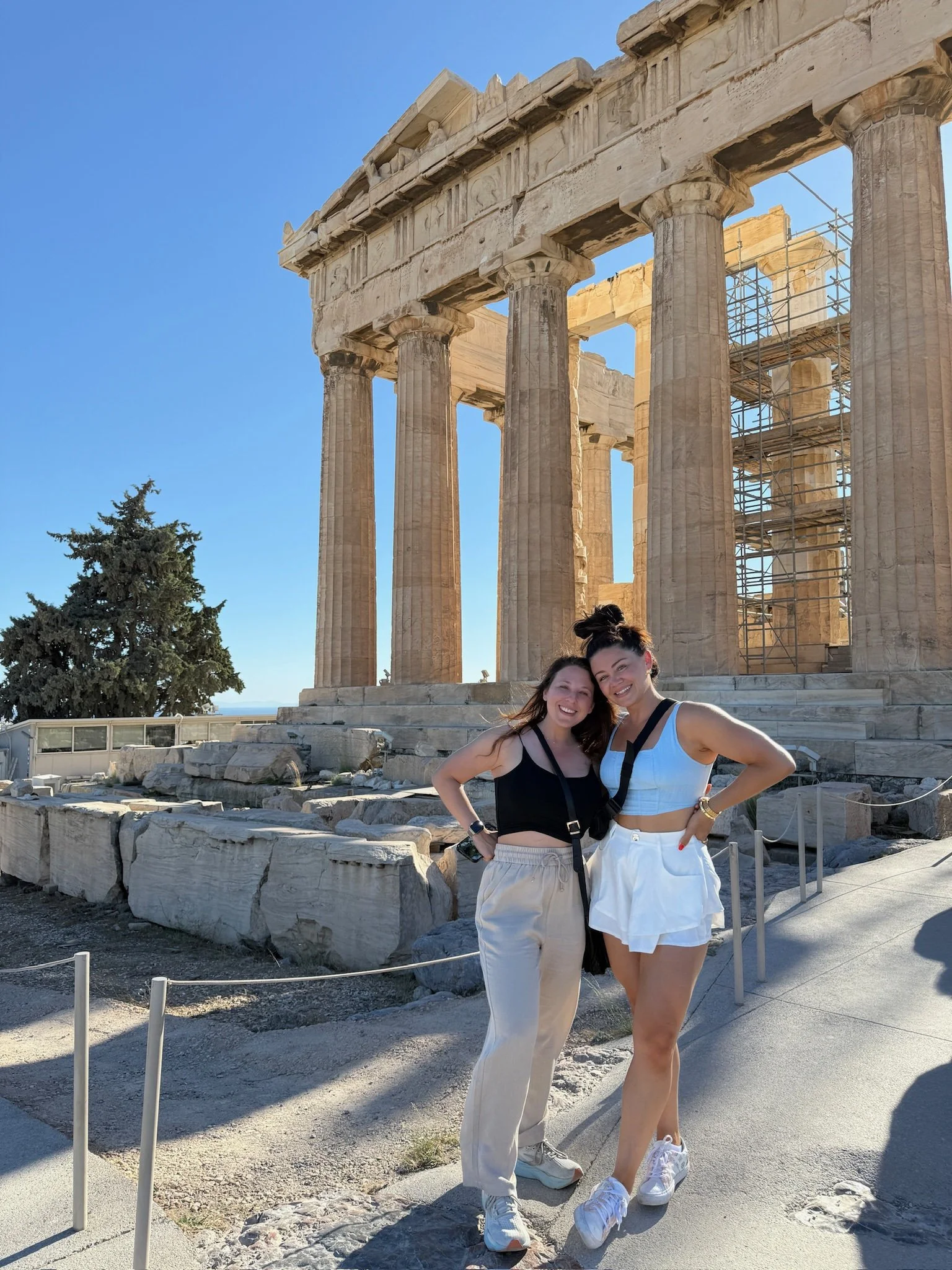
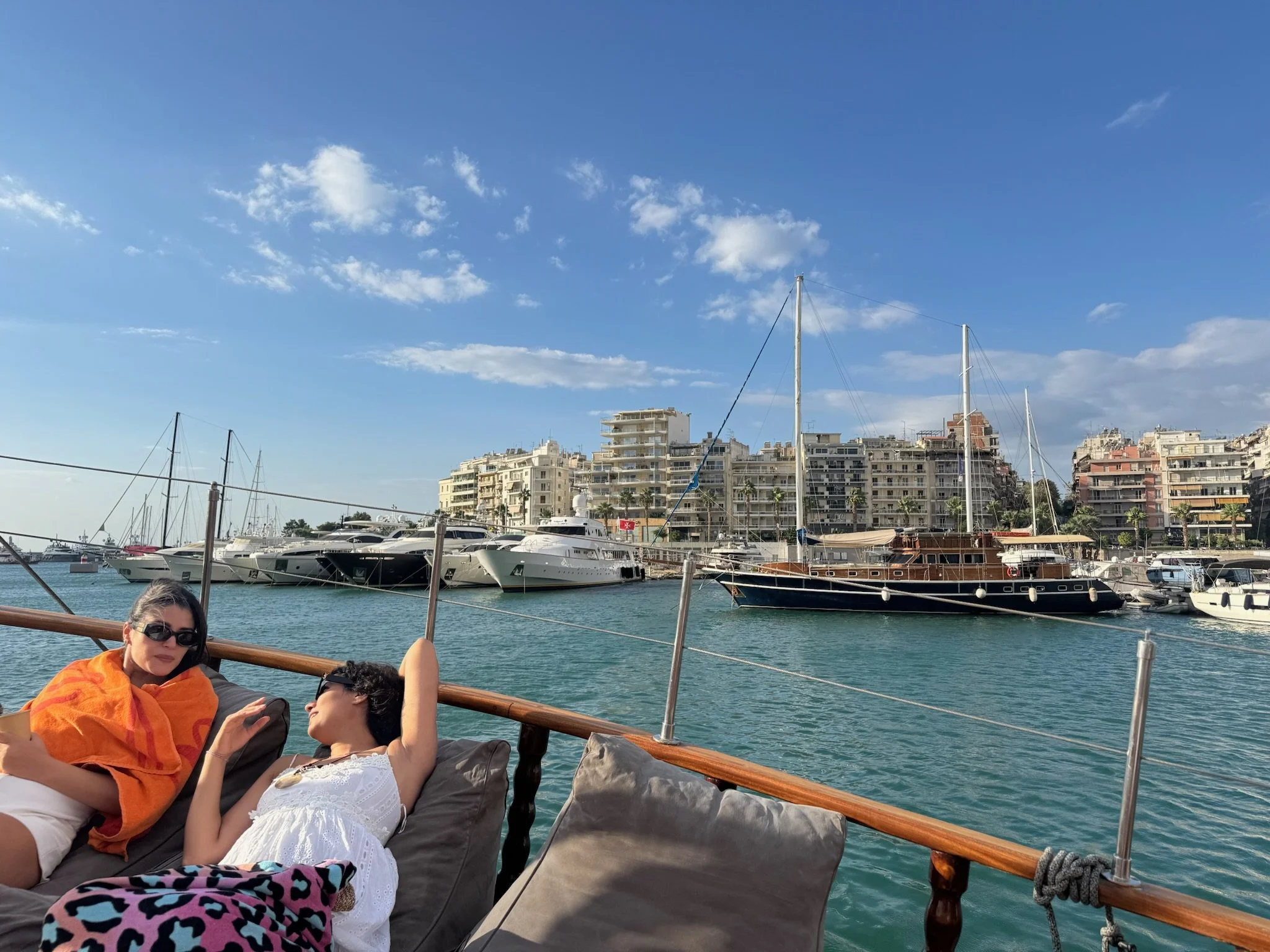
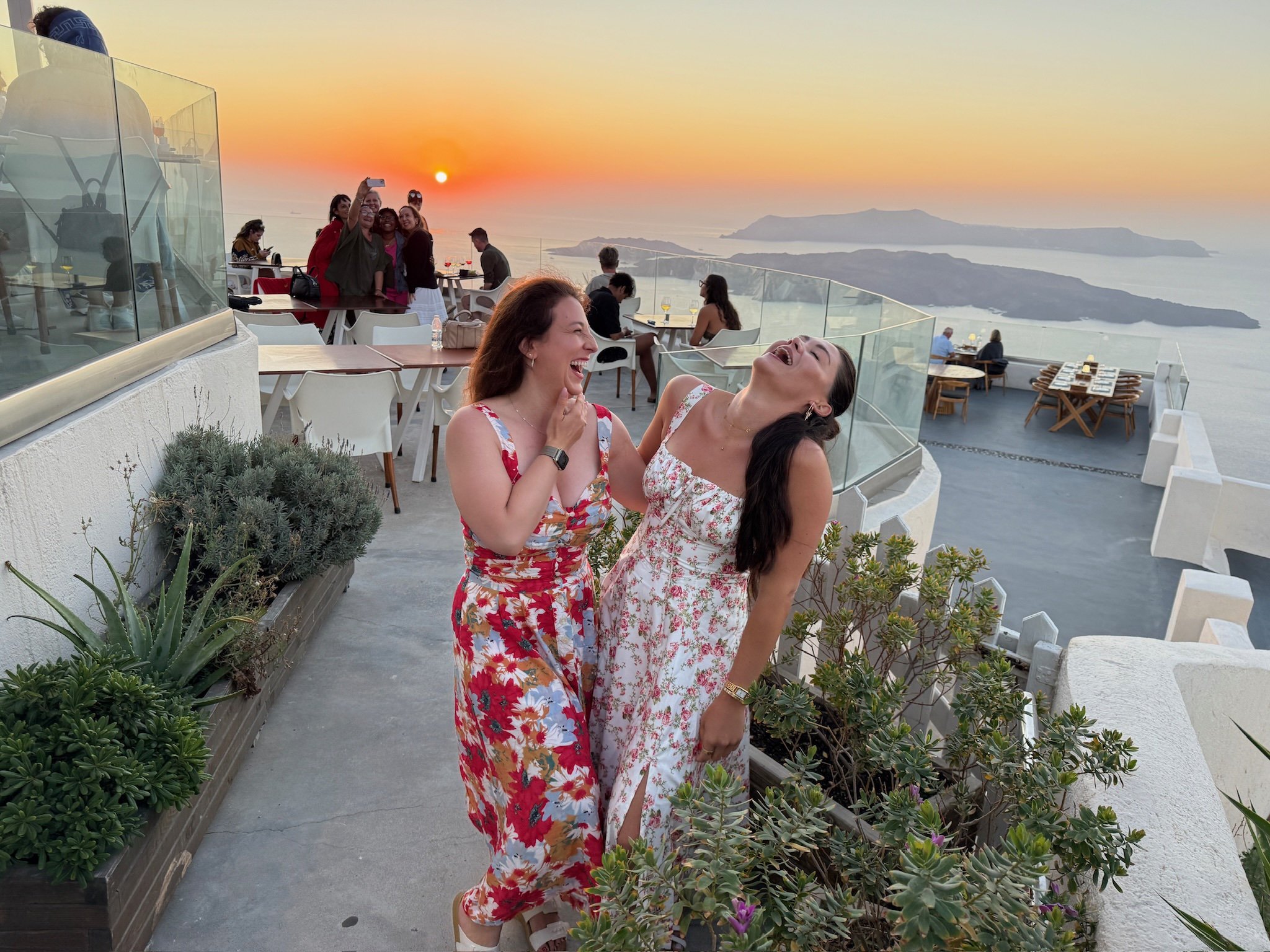
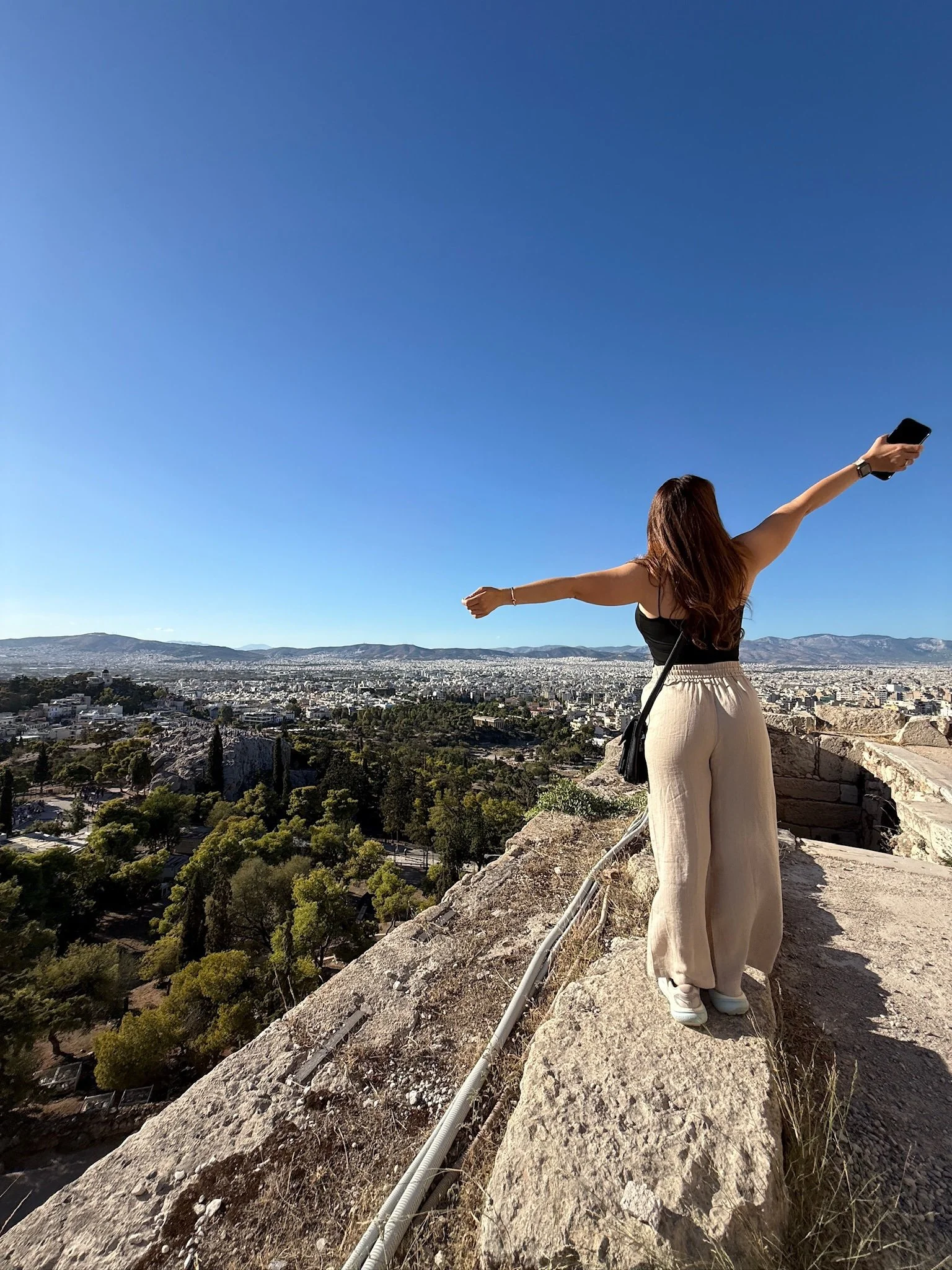
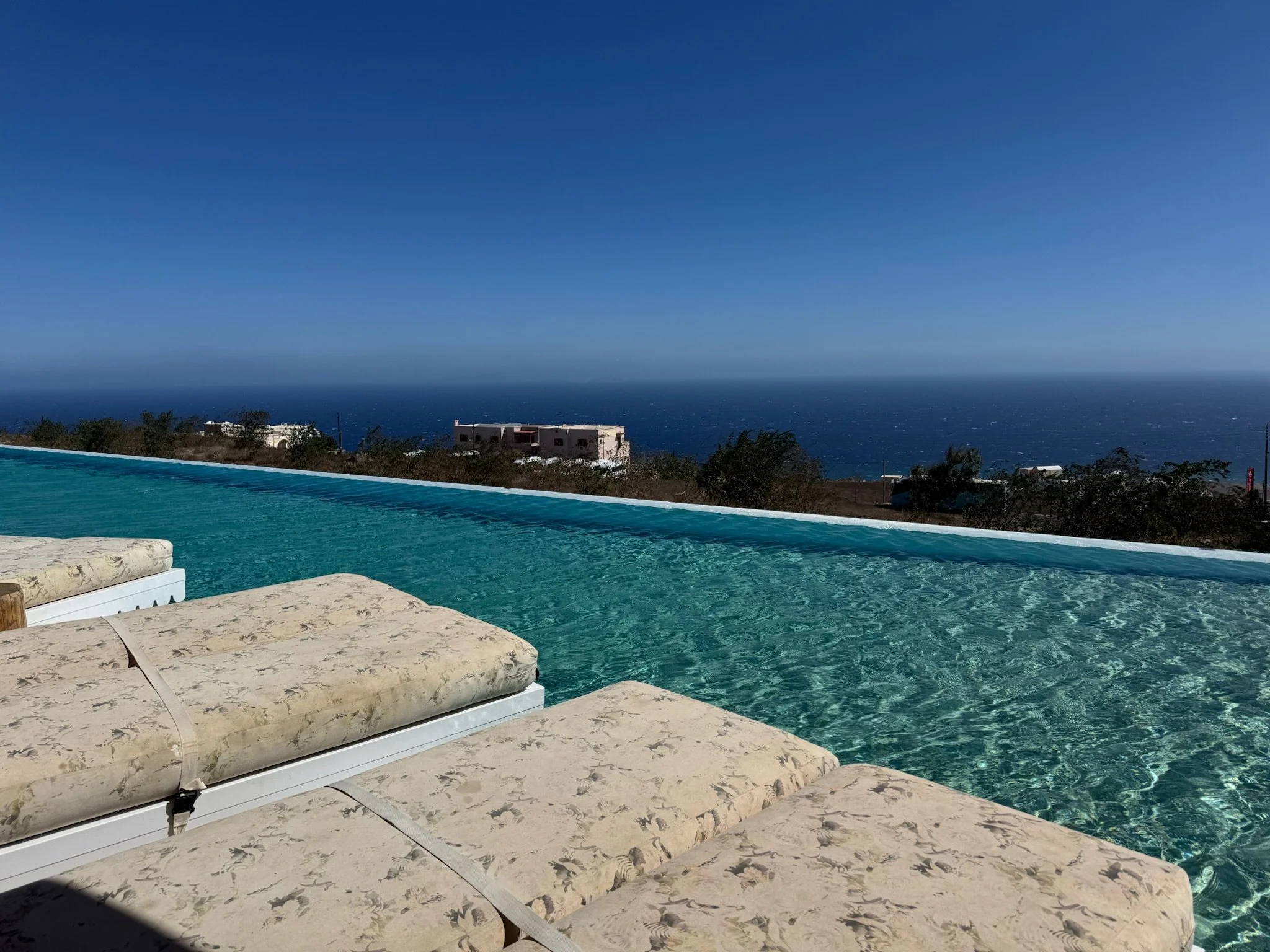
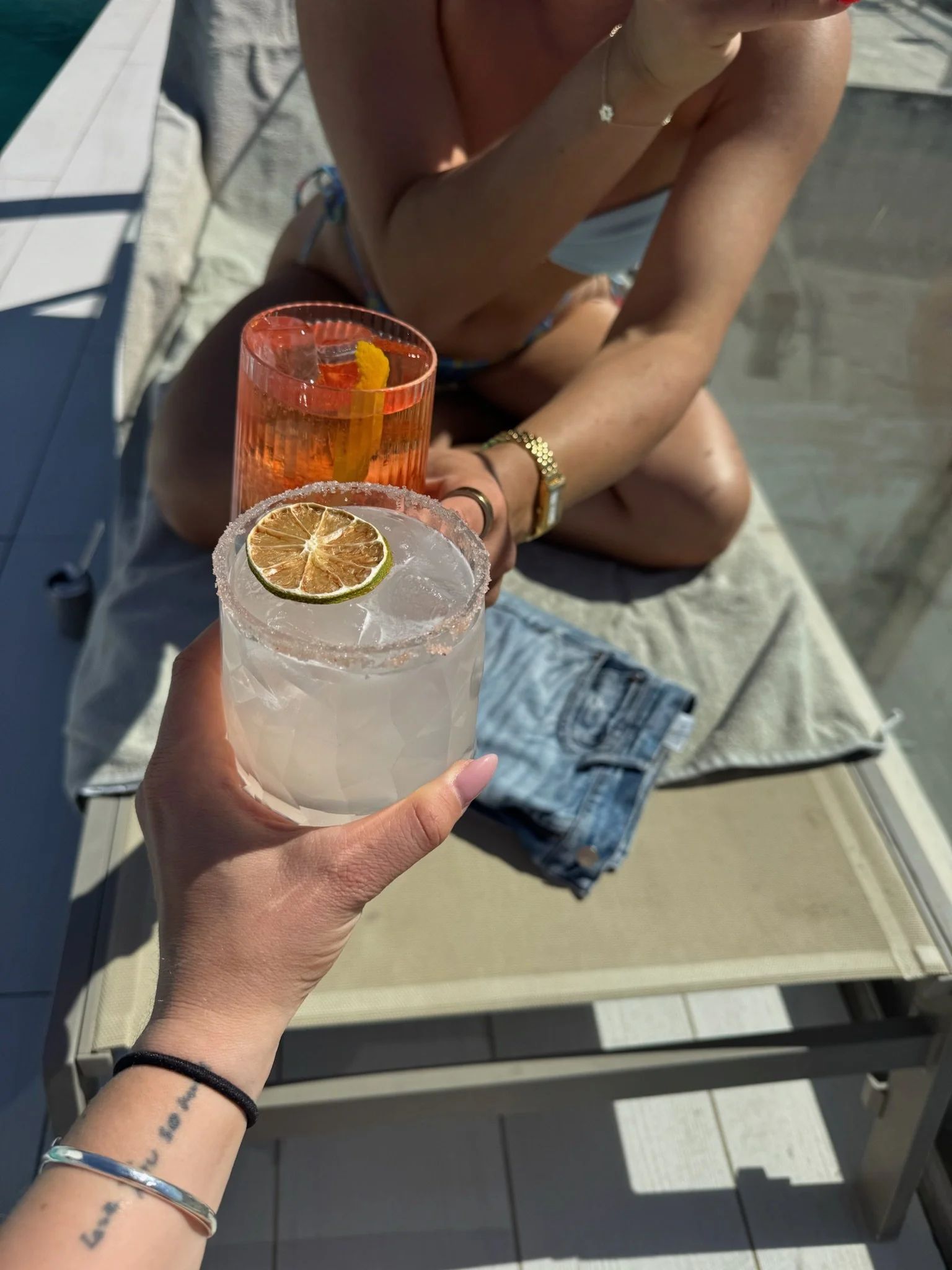
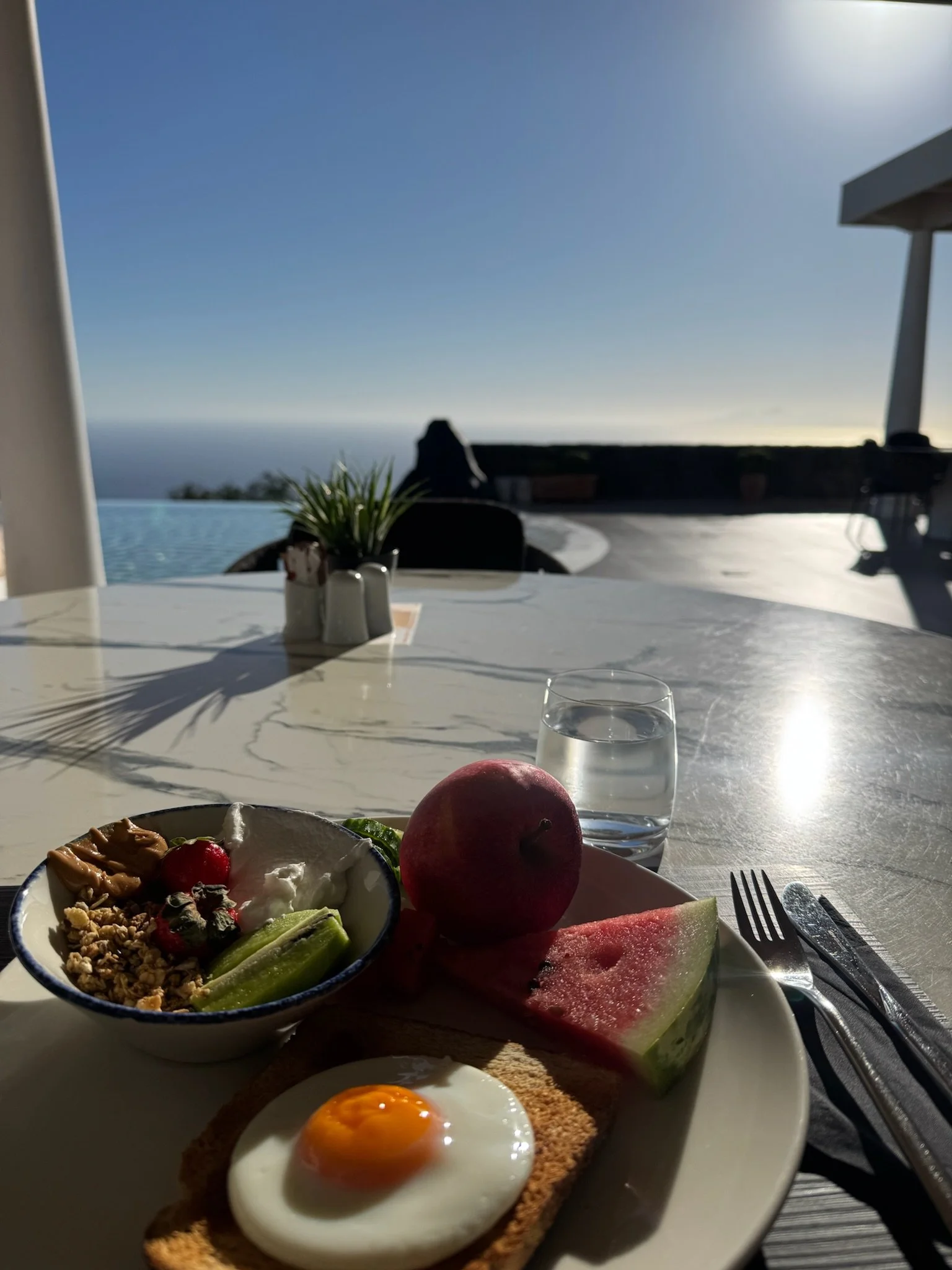
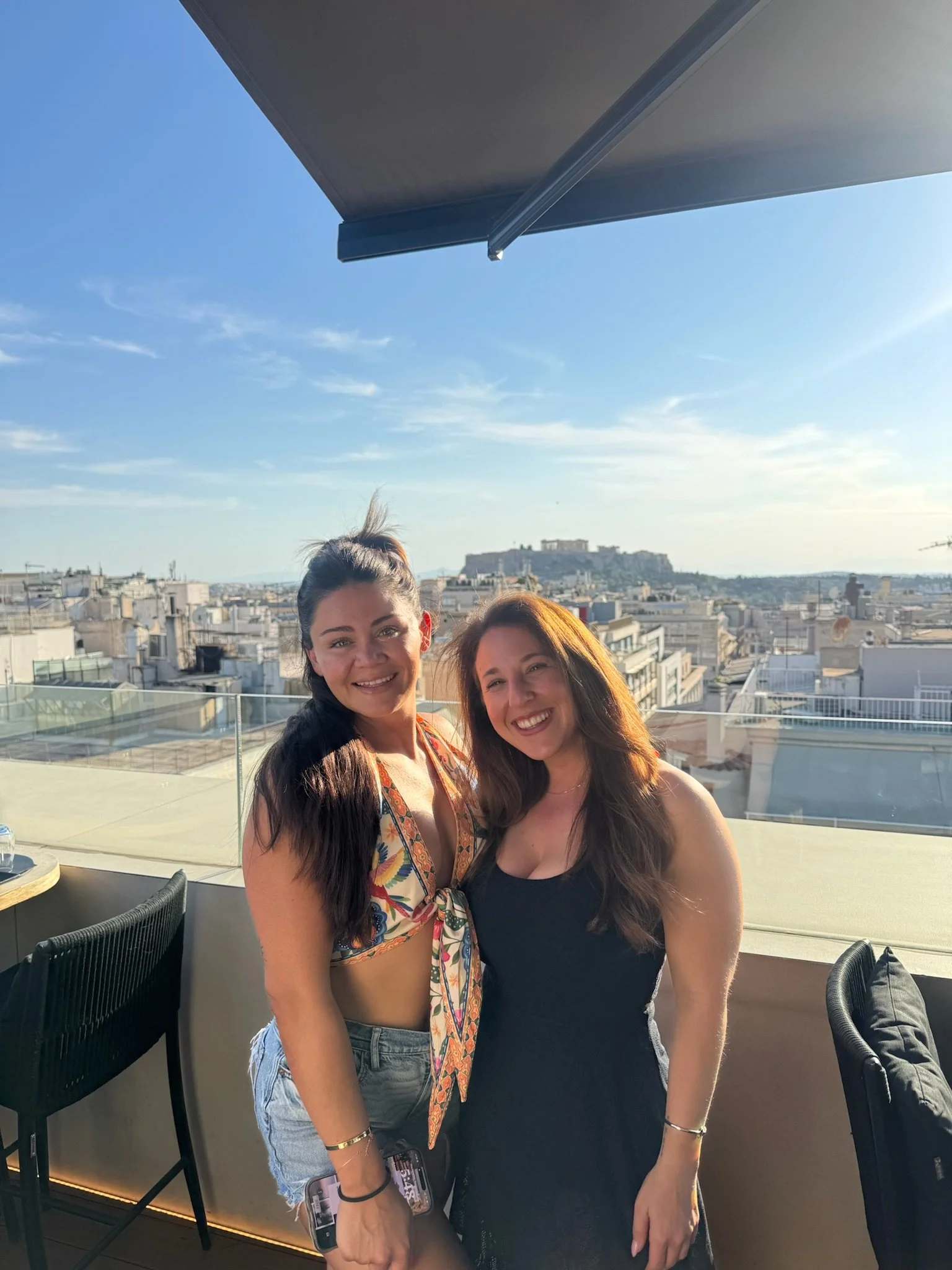
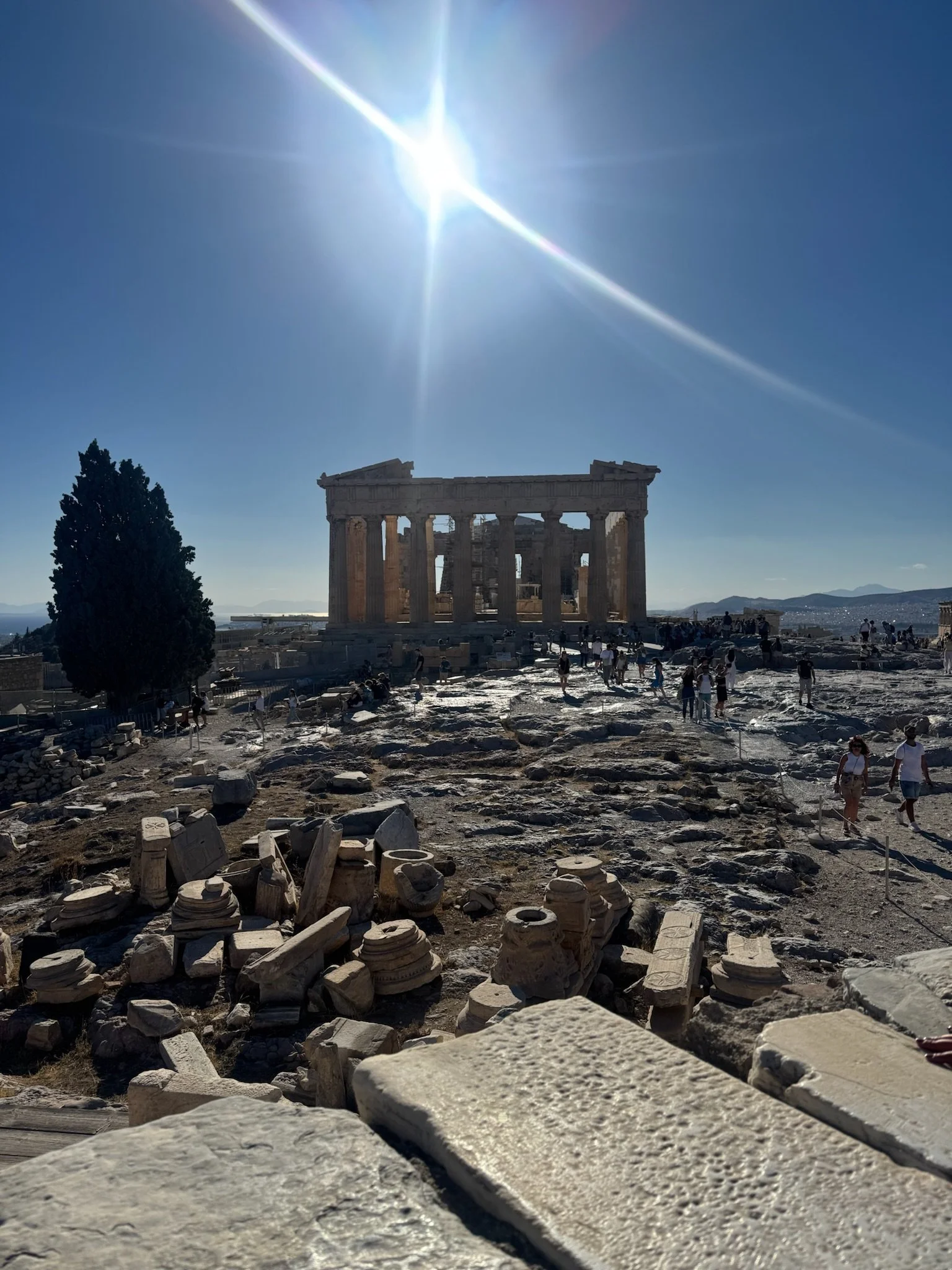
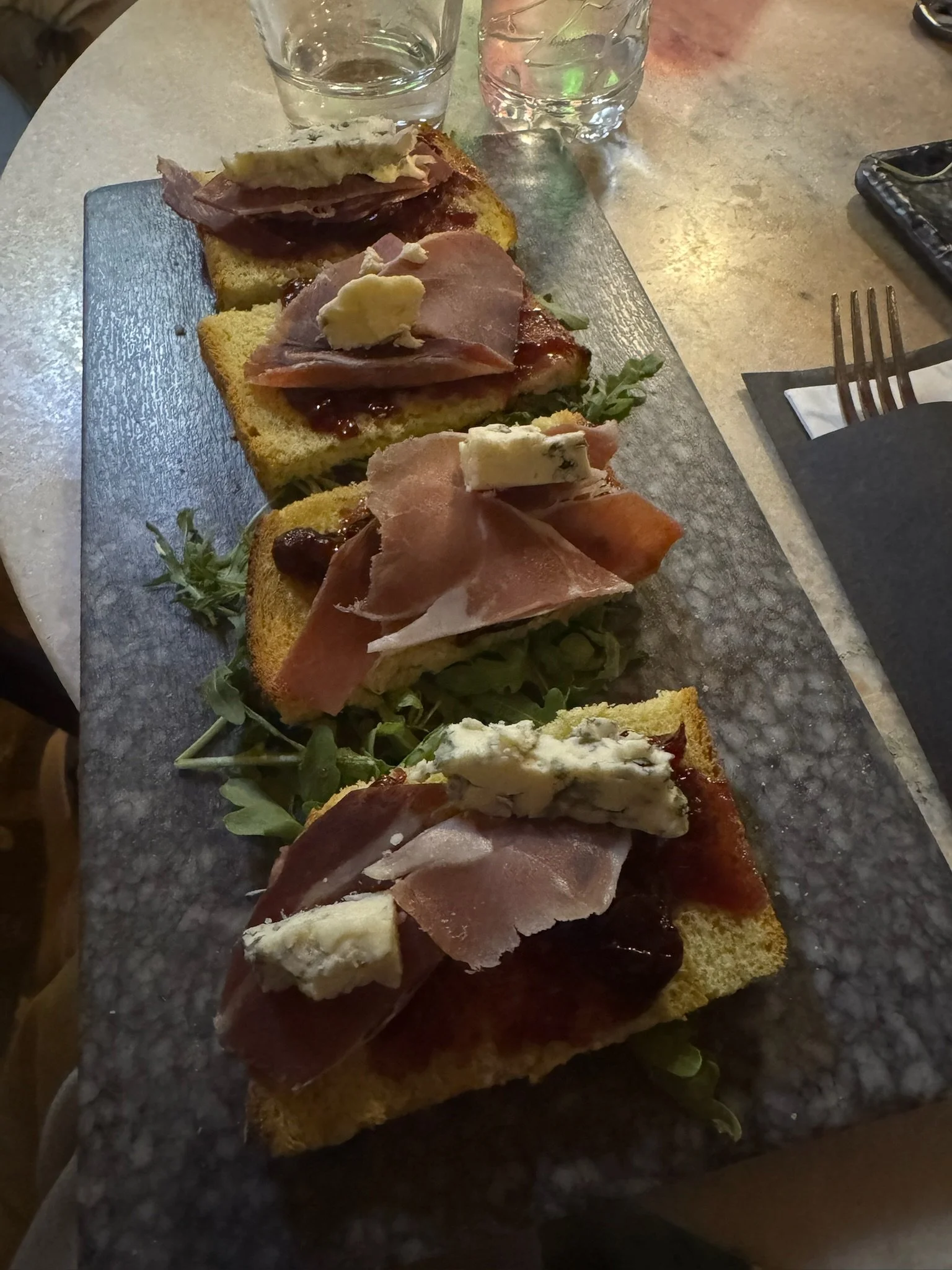
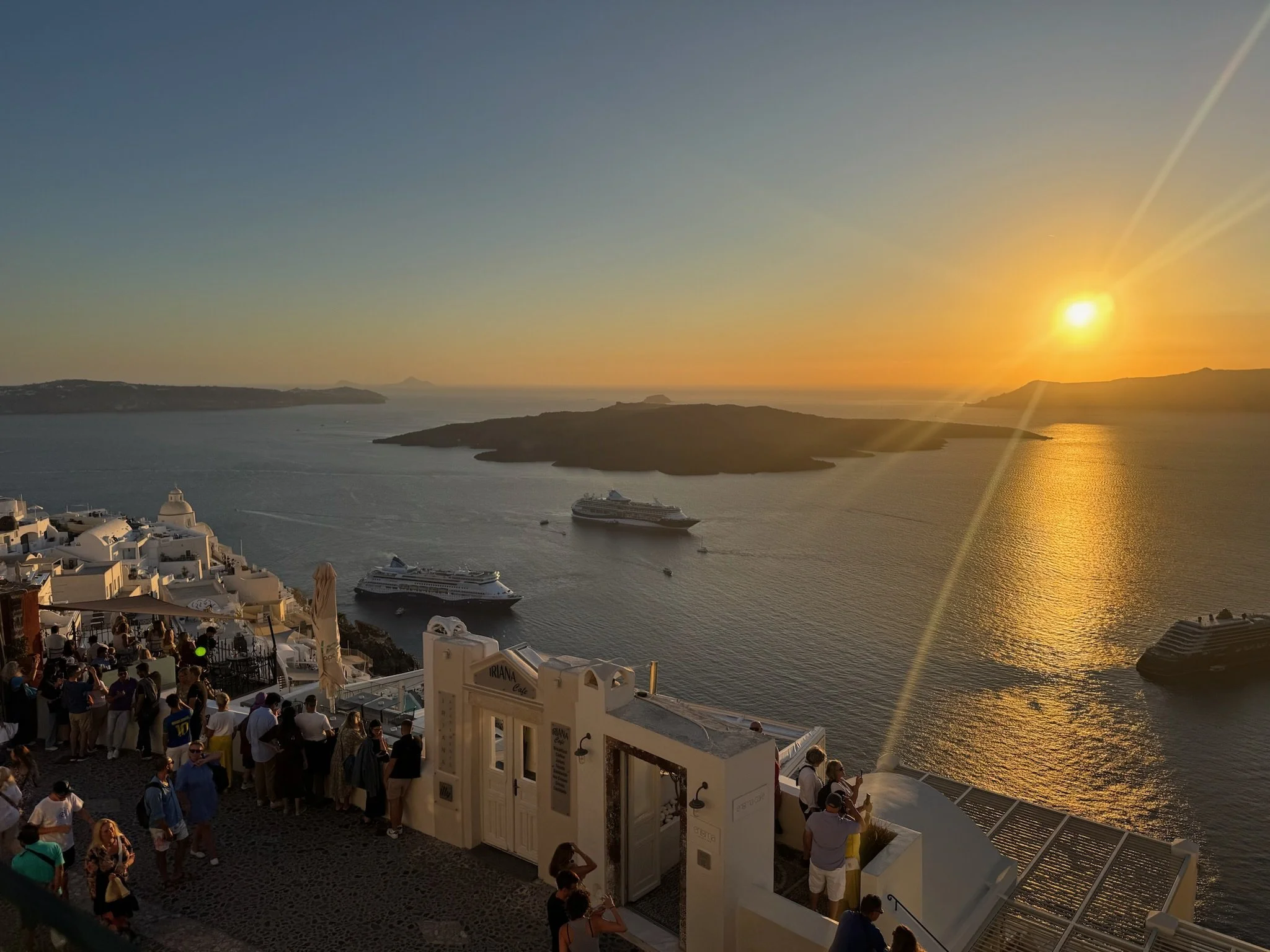
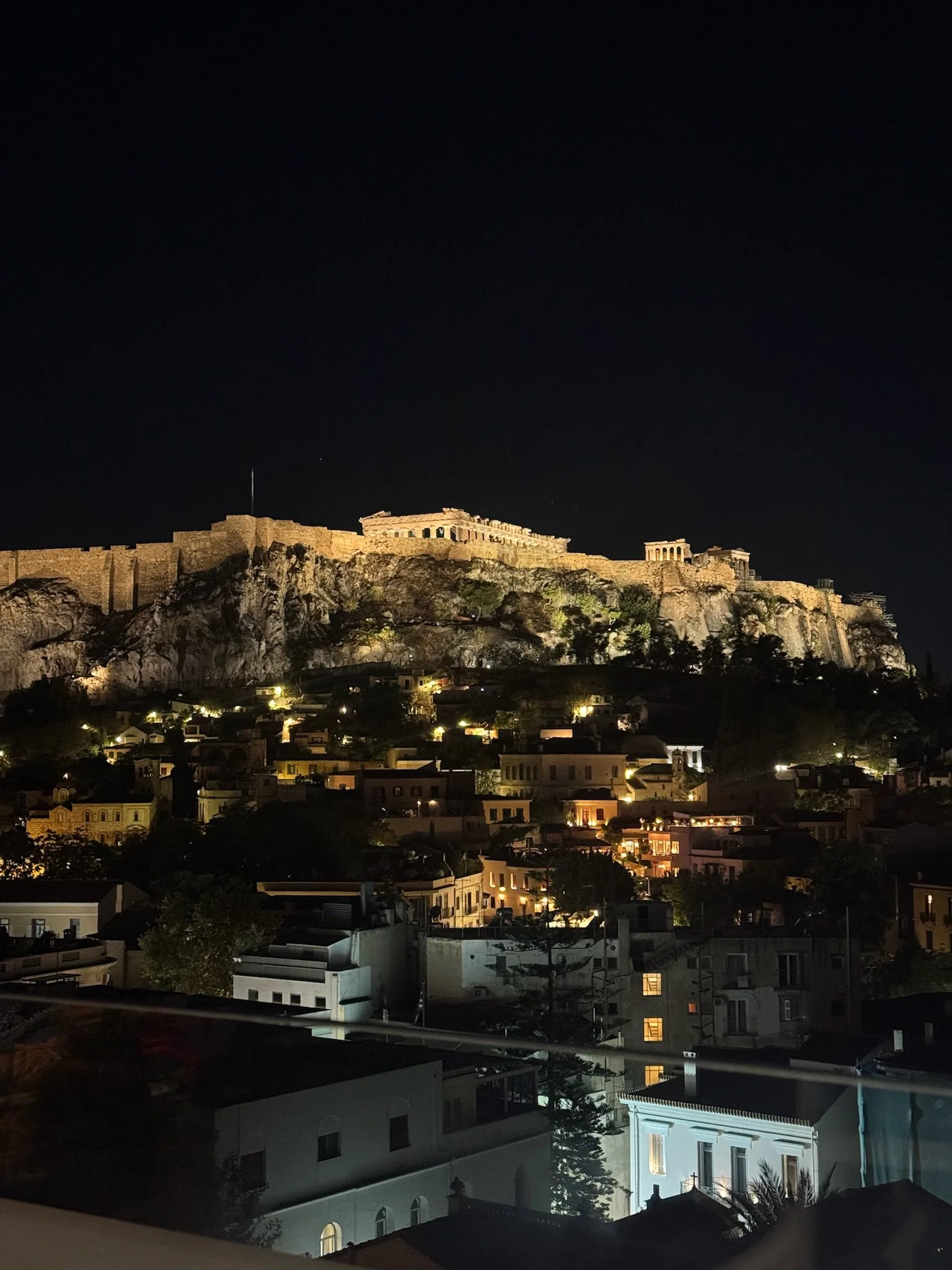
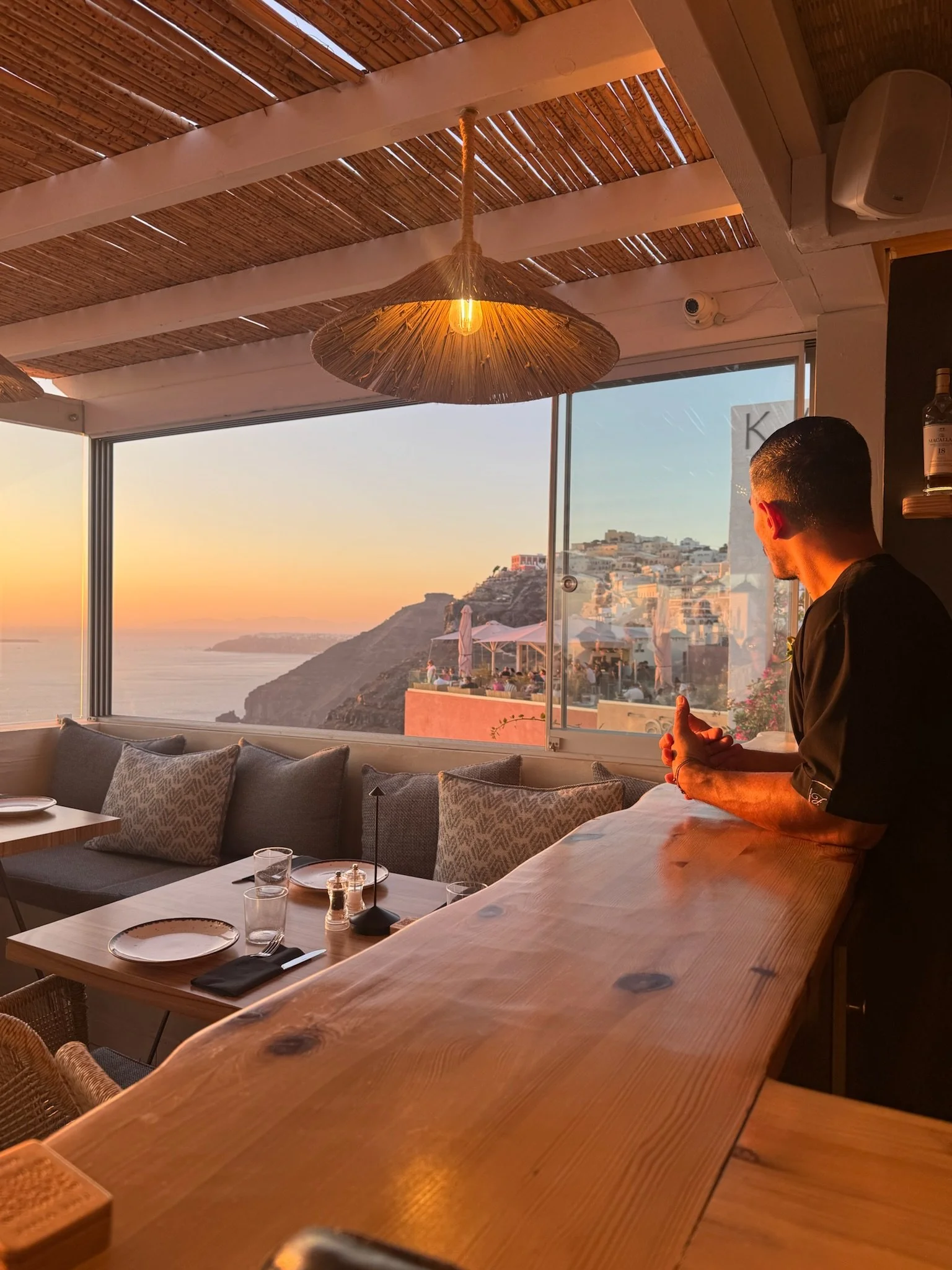
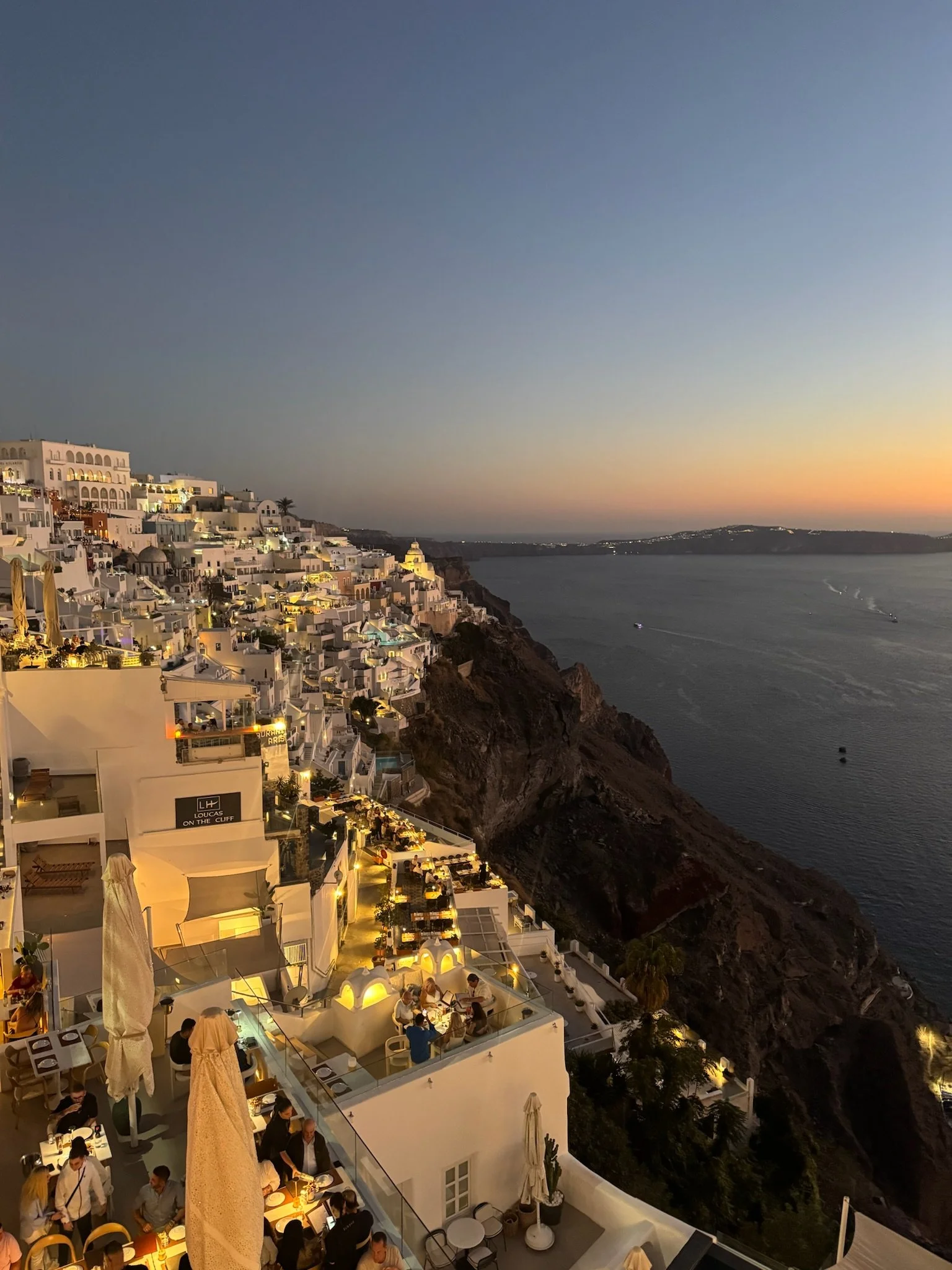
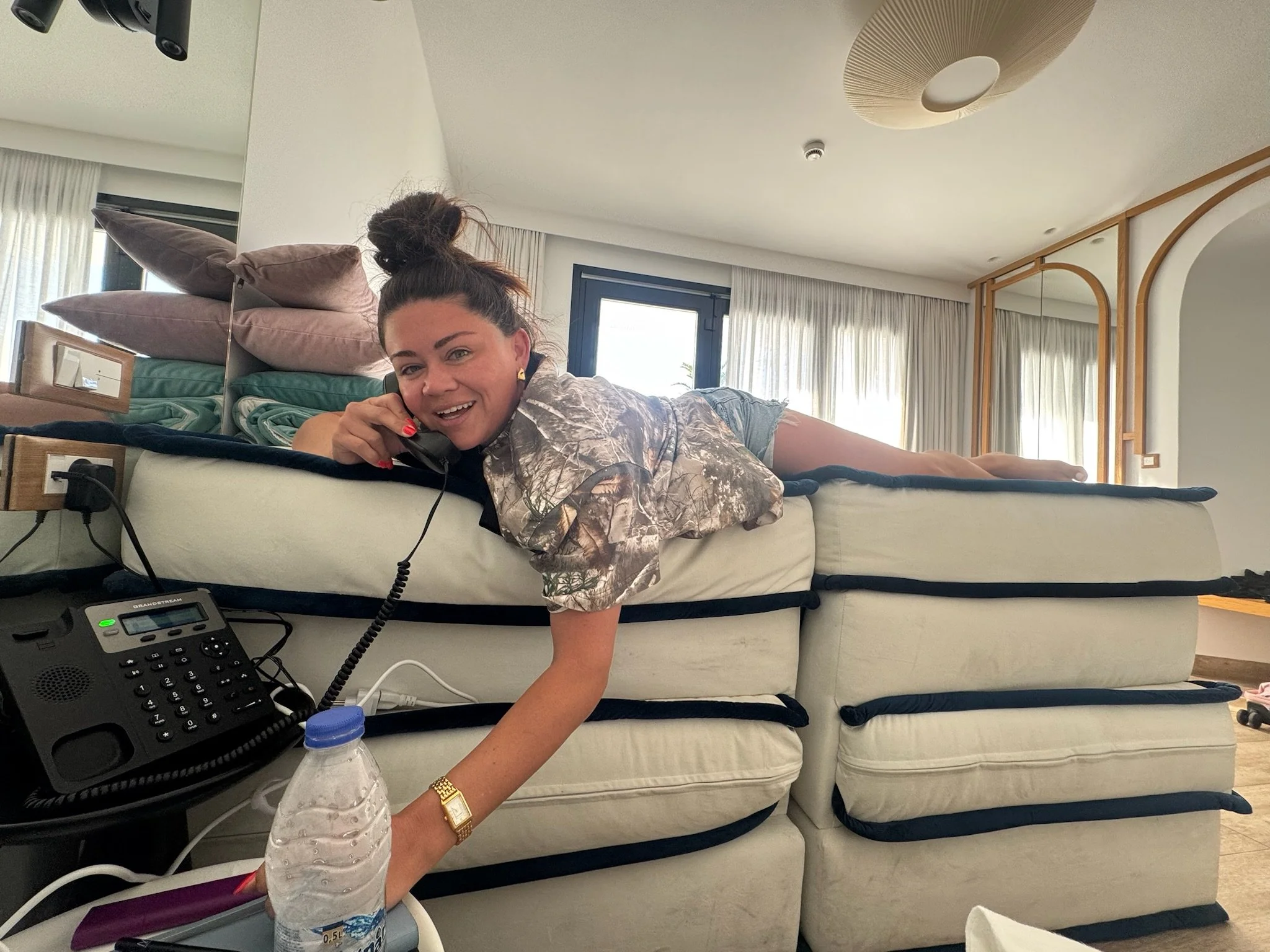
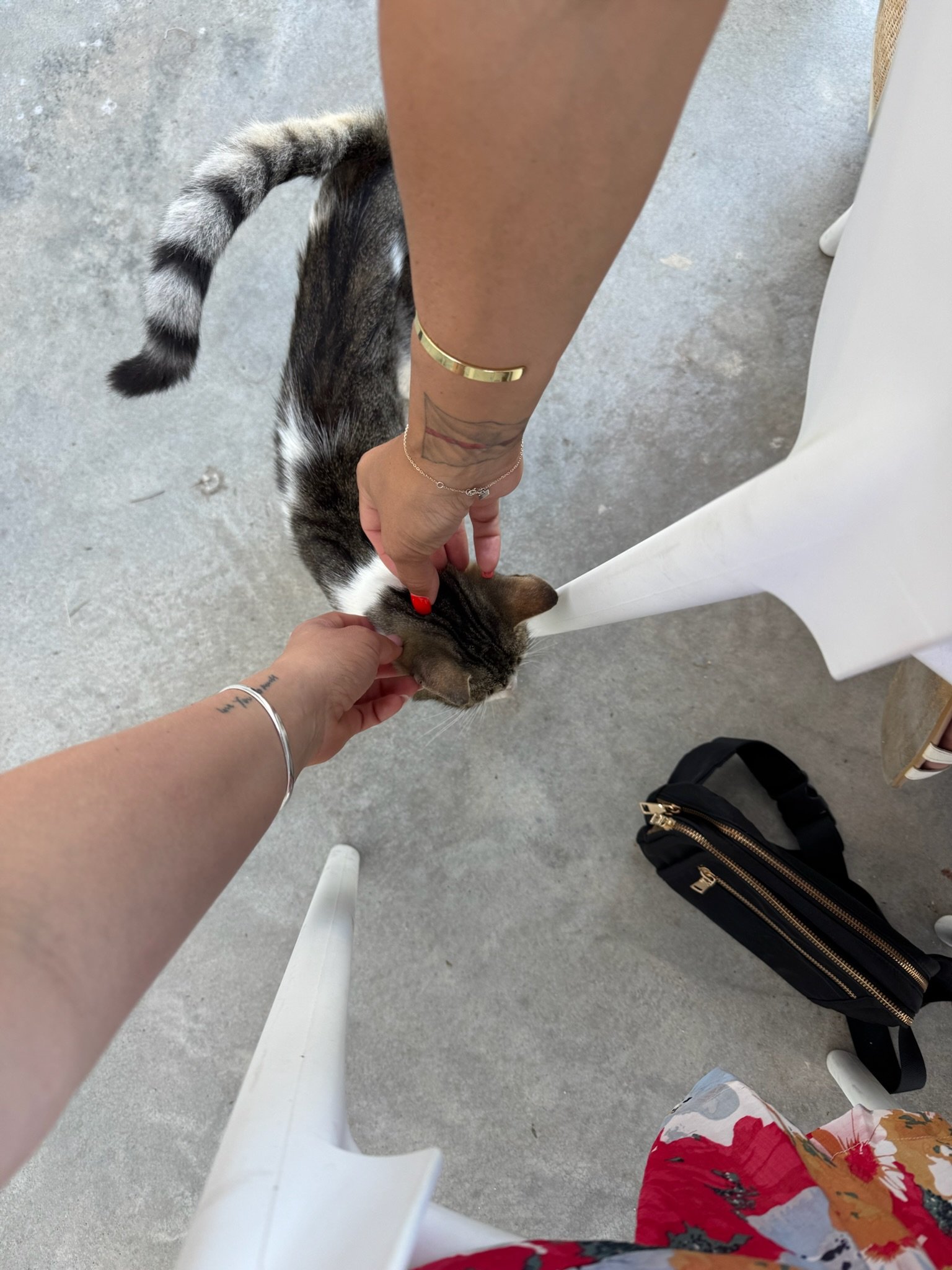
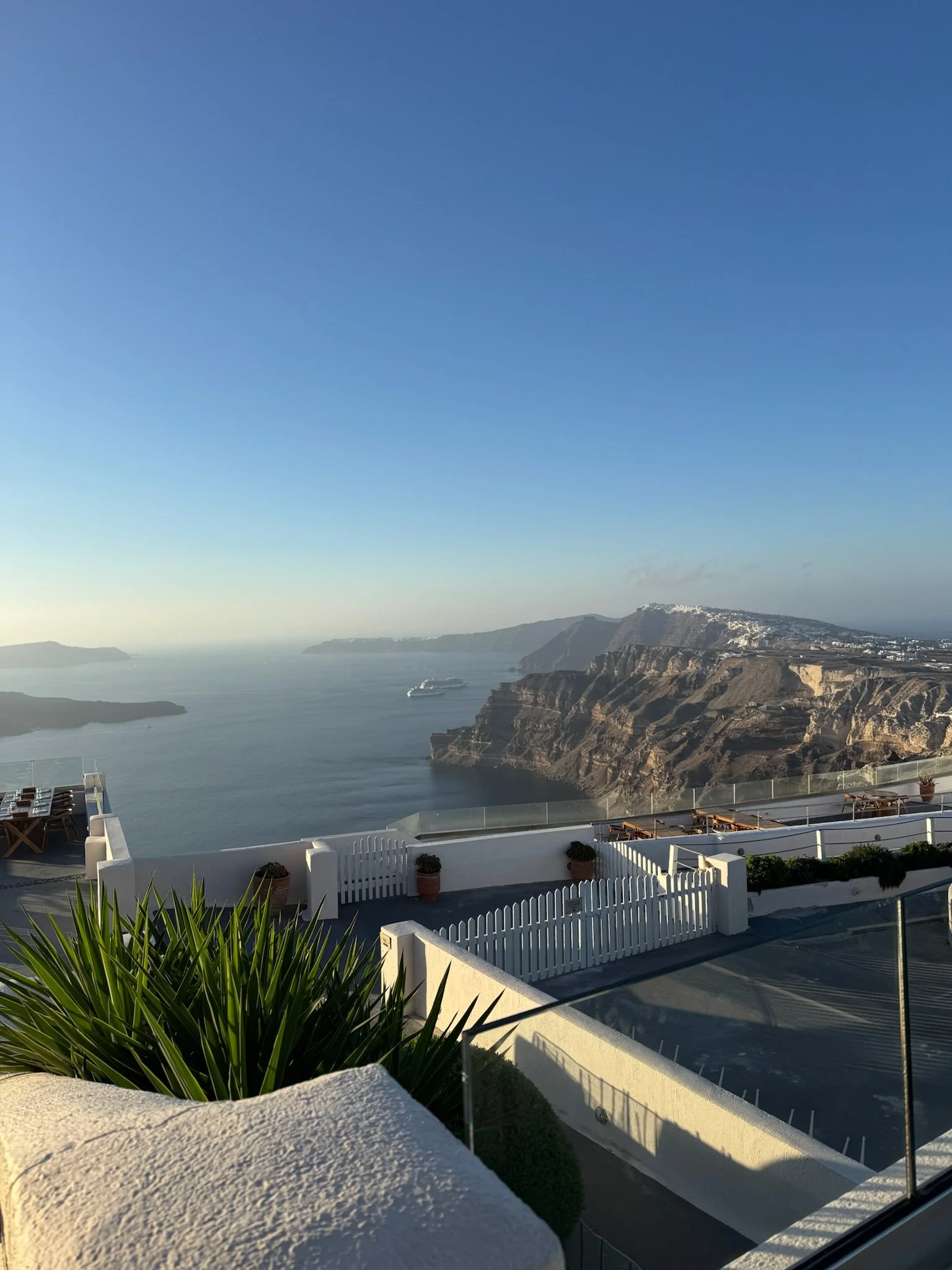
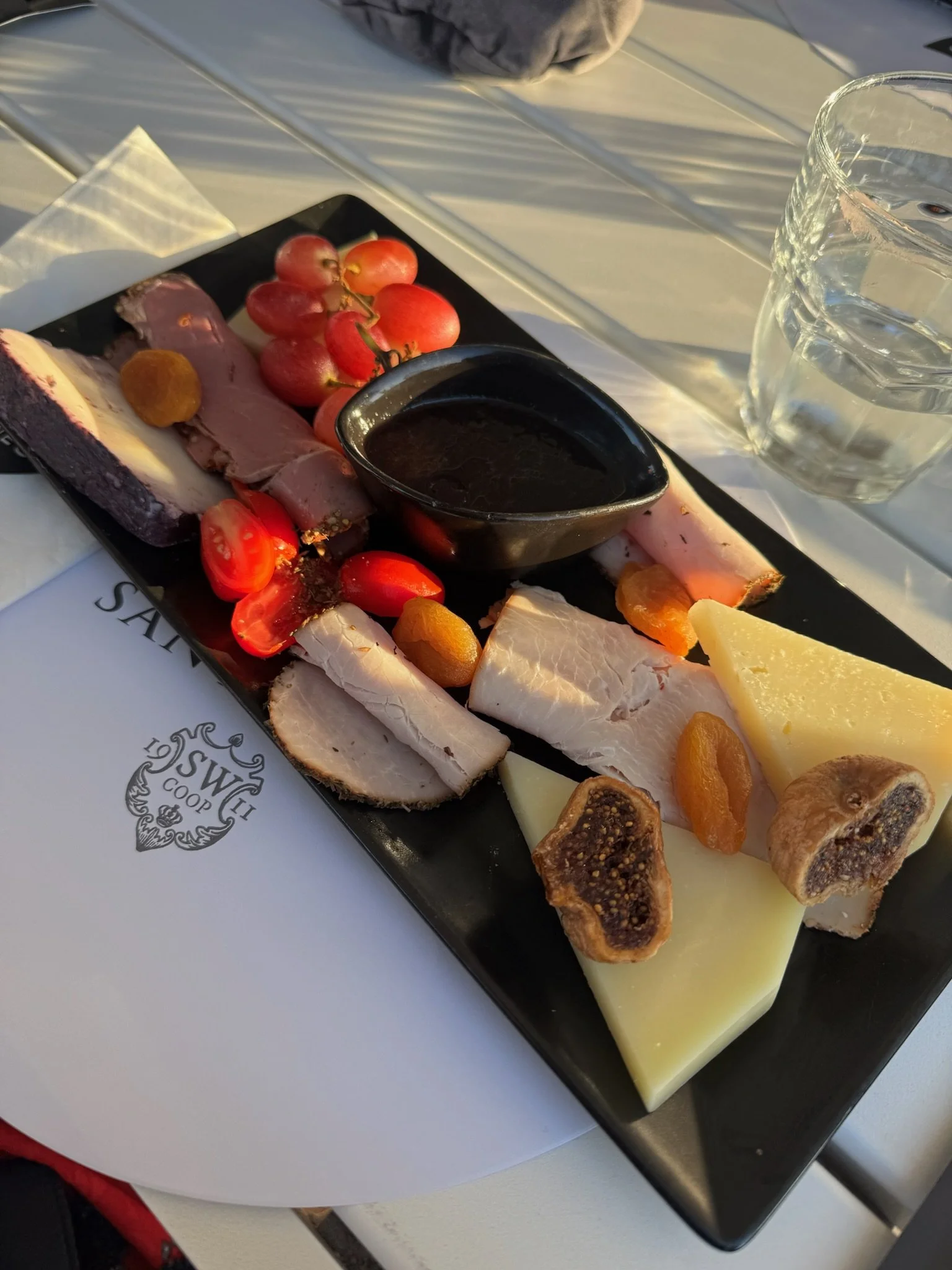
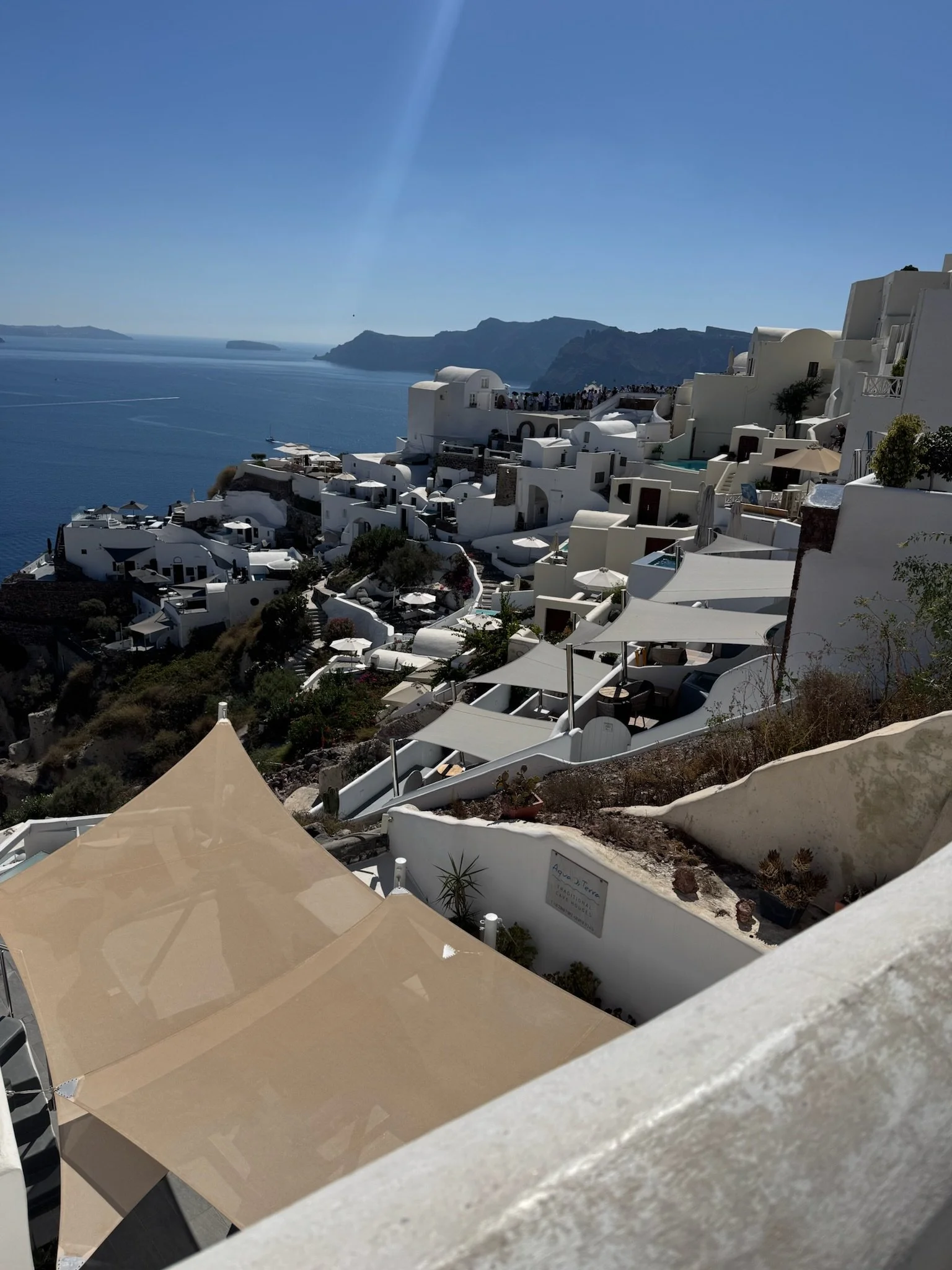
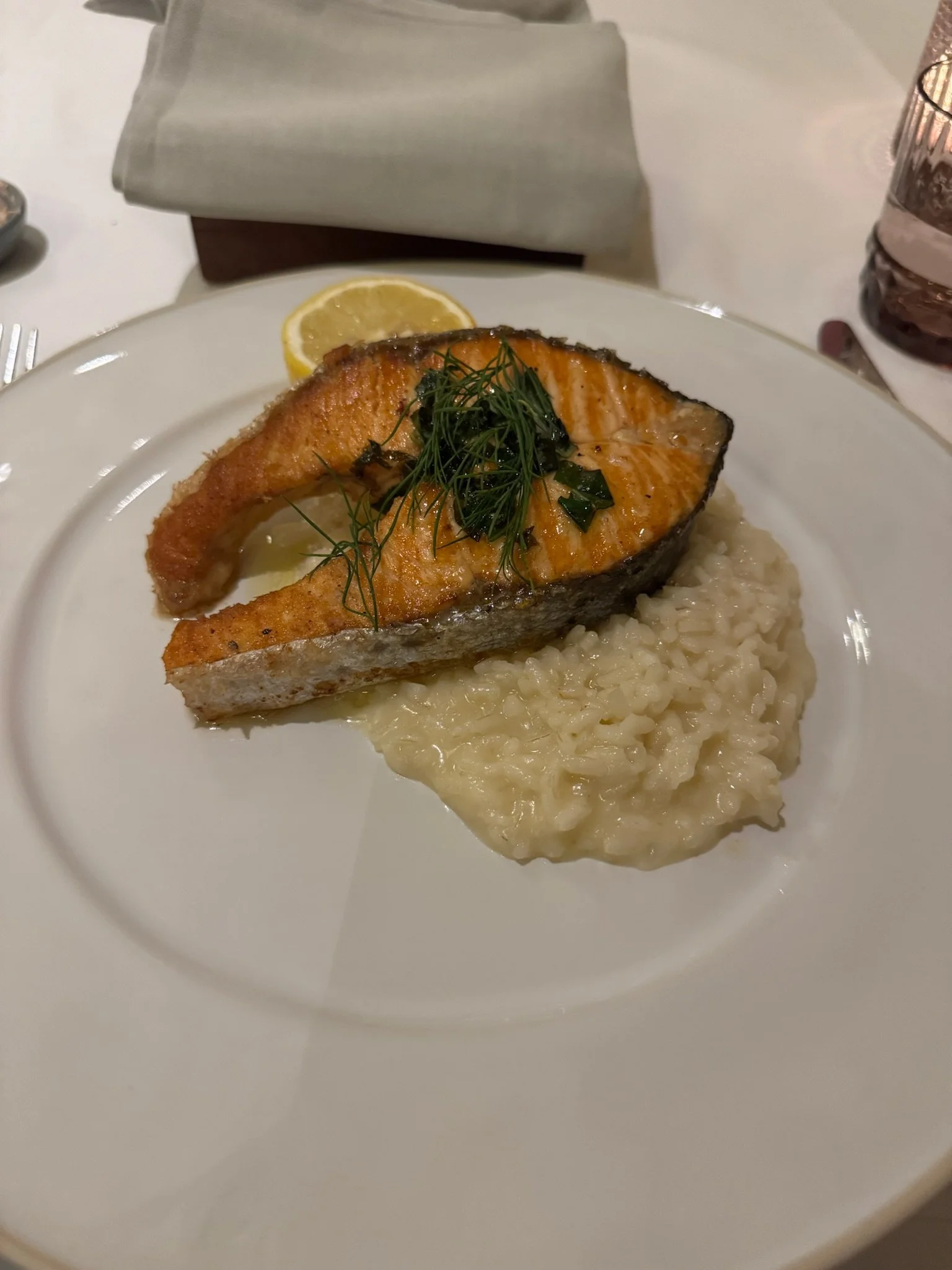
Lexy flew home from the Amalfi Coast. Their last night together was at Hotel Marmota — dinner, the water outside, the kind of goodbye that takes a while to say. And then Rachel was solo again. That had always been part of the architecture. The companions, the rhythm shifts, the moments of held stillness — none of it was accidental. The frame held.
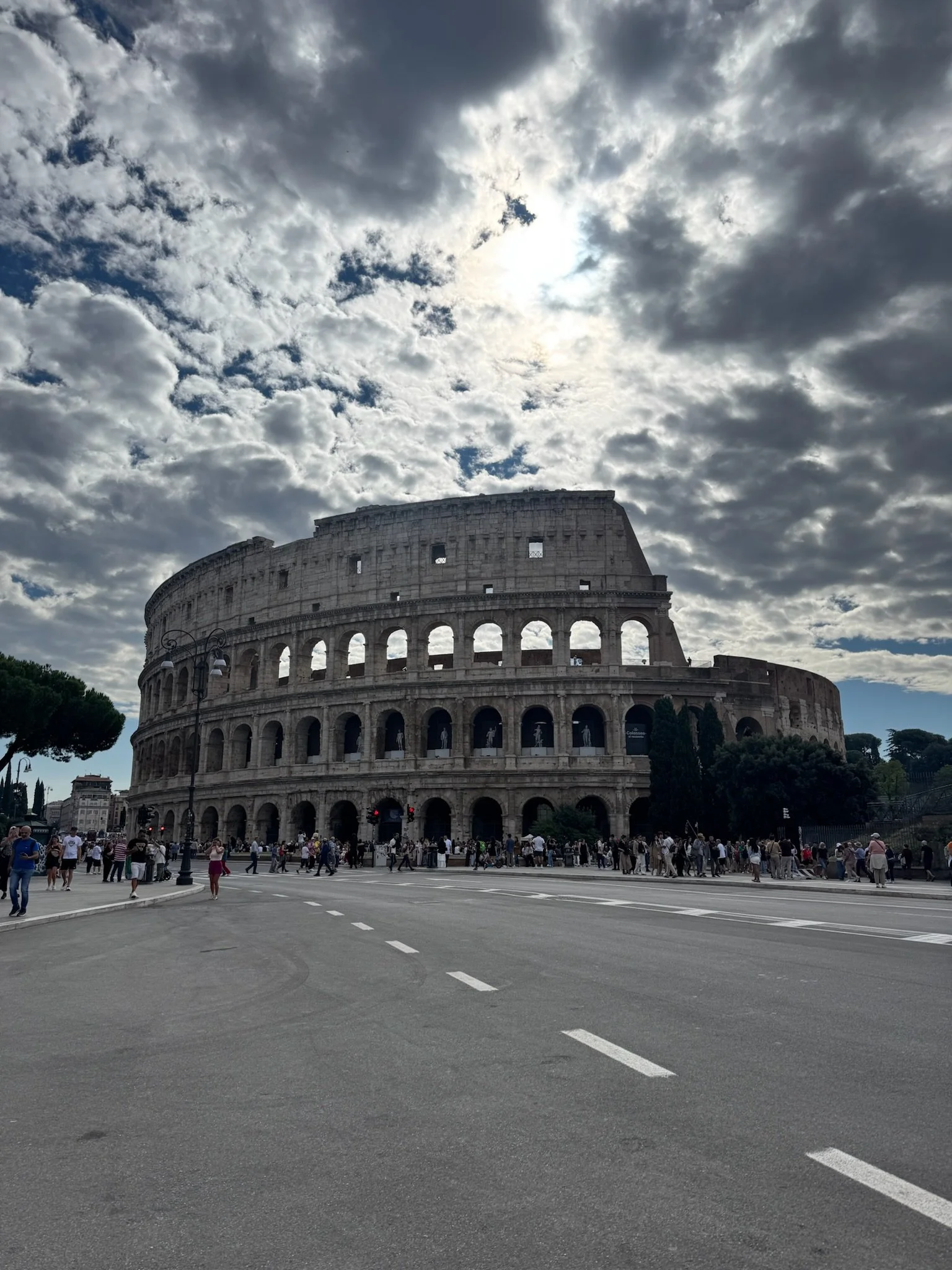
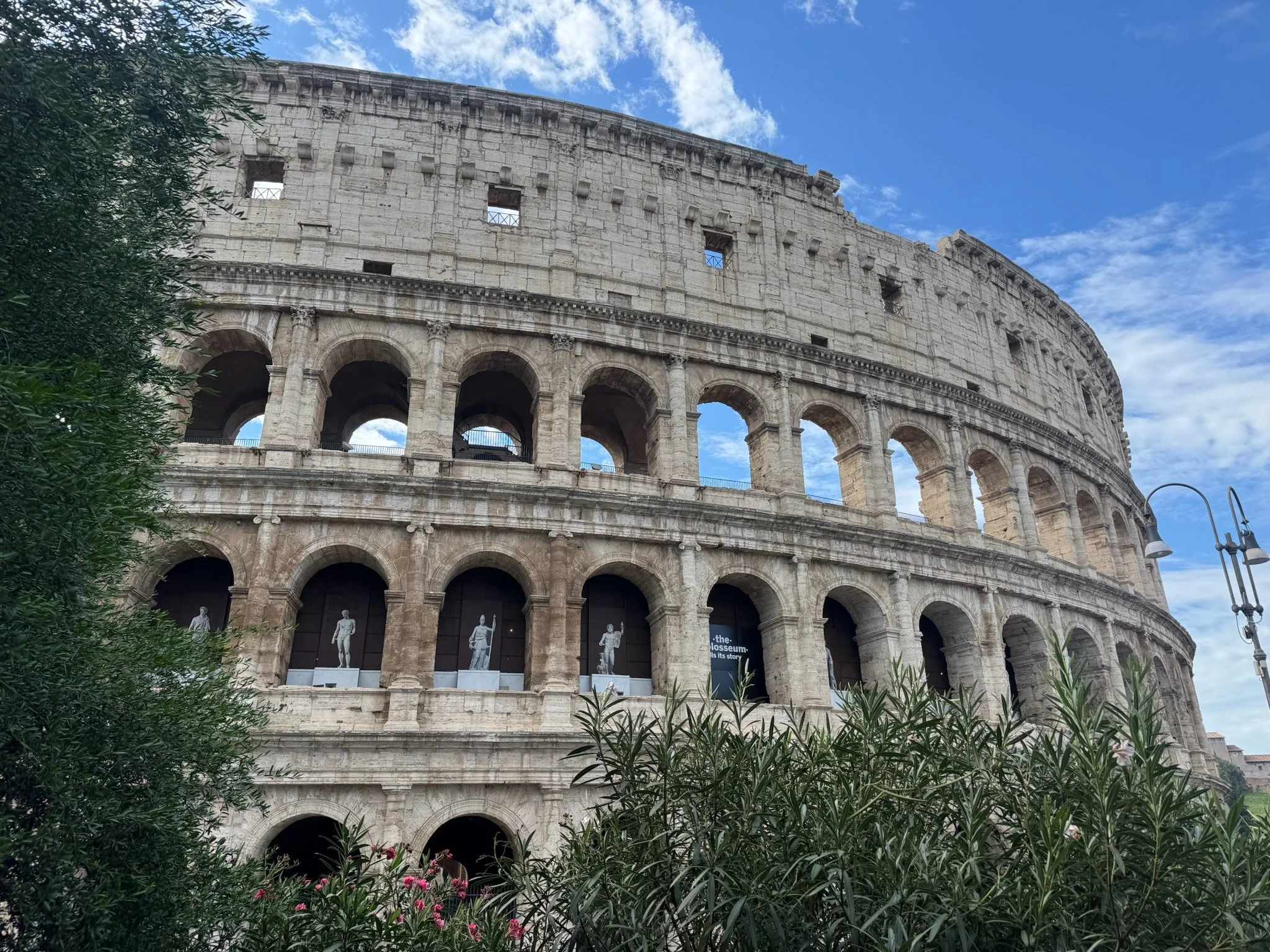
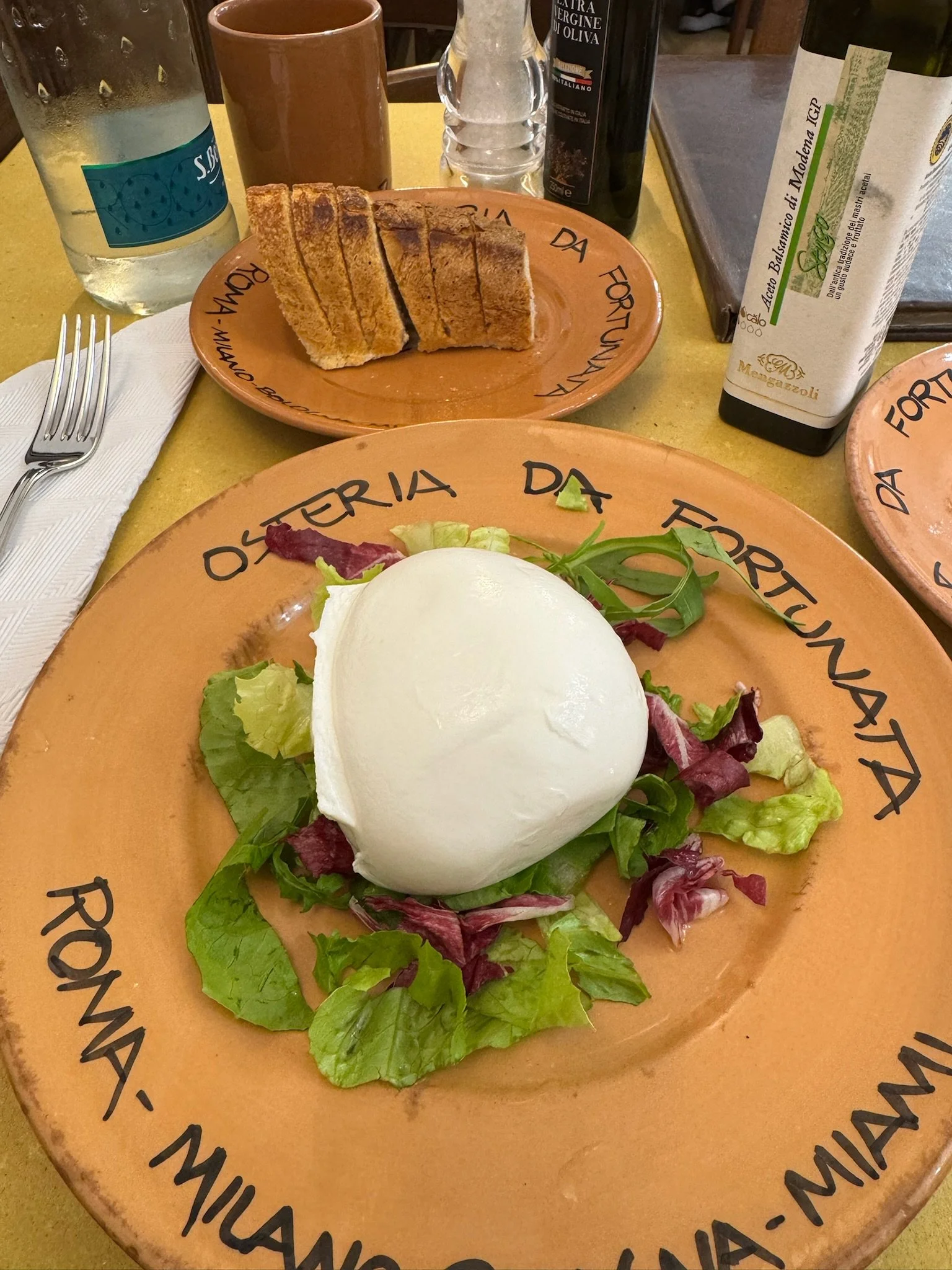
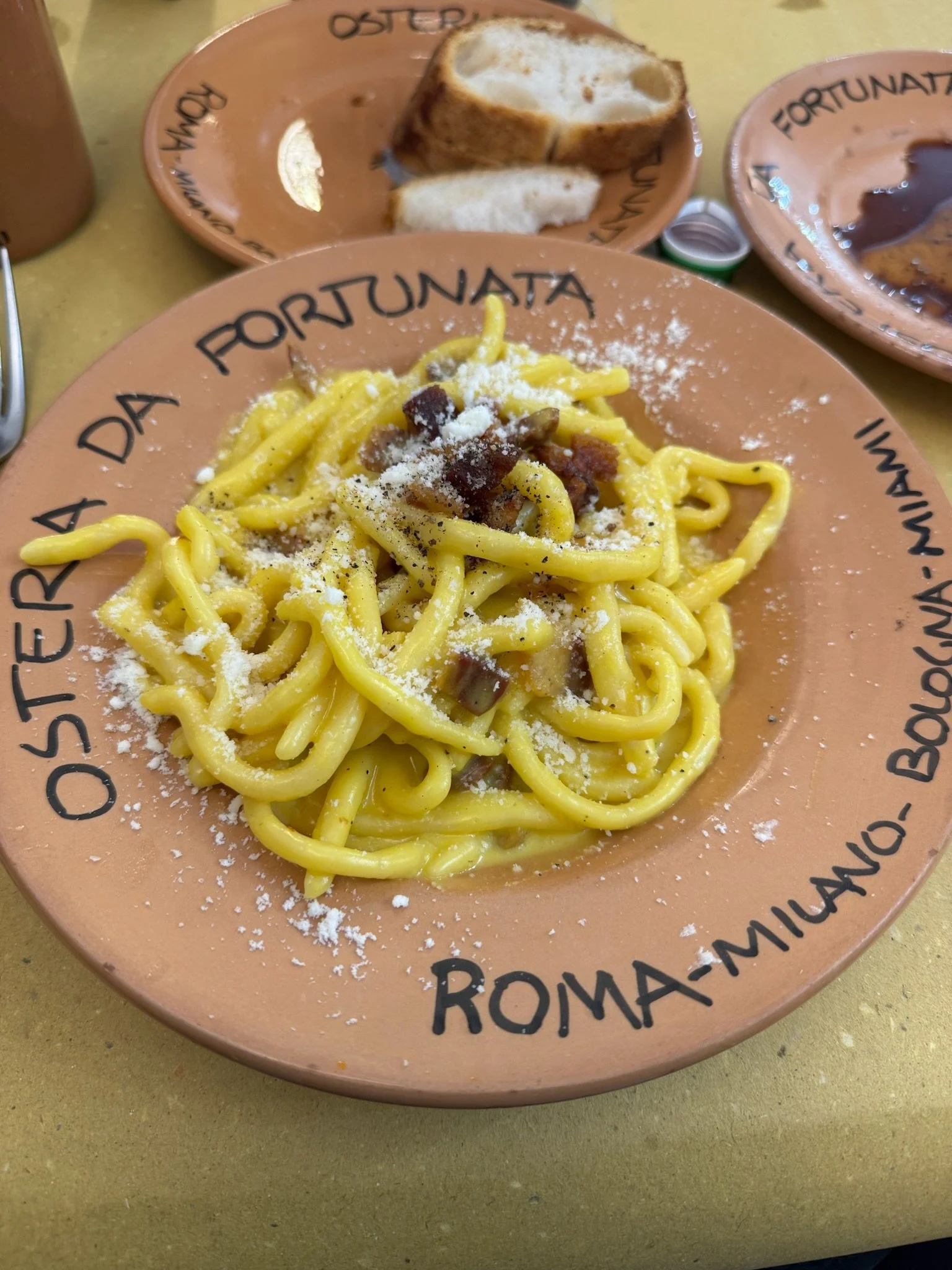
Rome held Yom Kippur — the holiest day of the Jewish year, observed with a 25-hour fast and a stillness that falls over even secular cities. She wandered the morning before the holiday began and texted me: "I did what I do best and wandered through the town and ended up at the Colosseum." That evening I had her on a food tour — Campo de' Fiori, the Jewish Ghetto, Trastevere — as the sun went down and Yom Kippur began. The next day Rome had a different quality — quieter, slower, the city exhaling. She moved through it. And that night, after sundown when the fast ended, I got her underground: the Colosseum at 9 PM. Ancient Rome by night, on the night Yom Kippur closed.
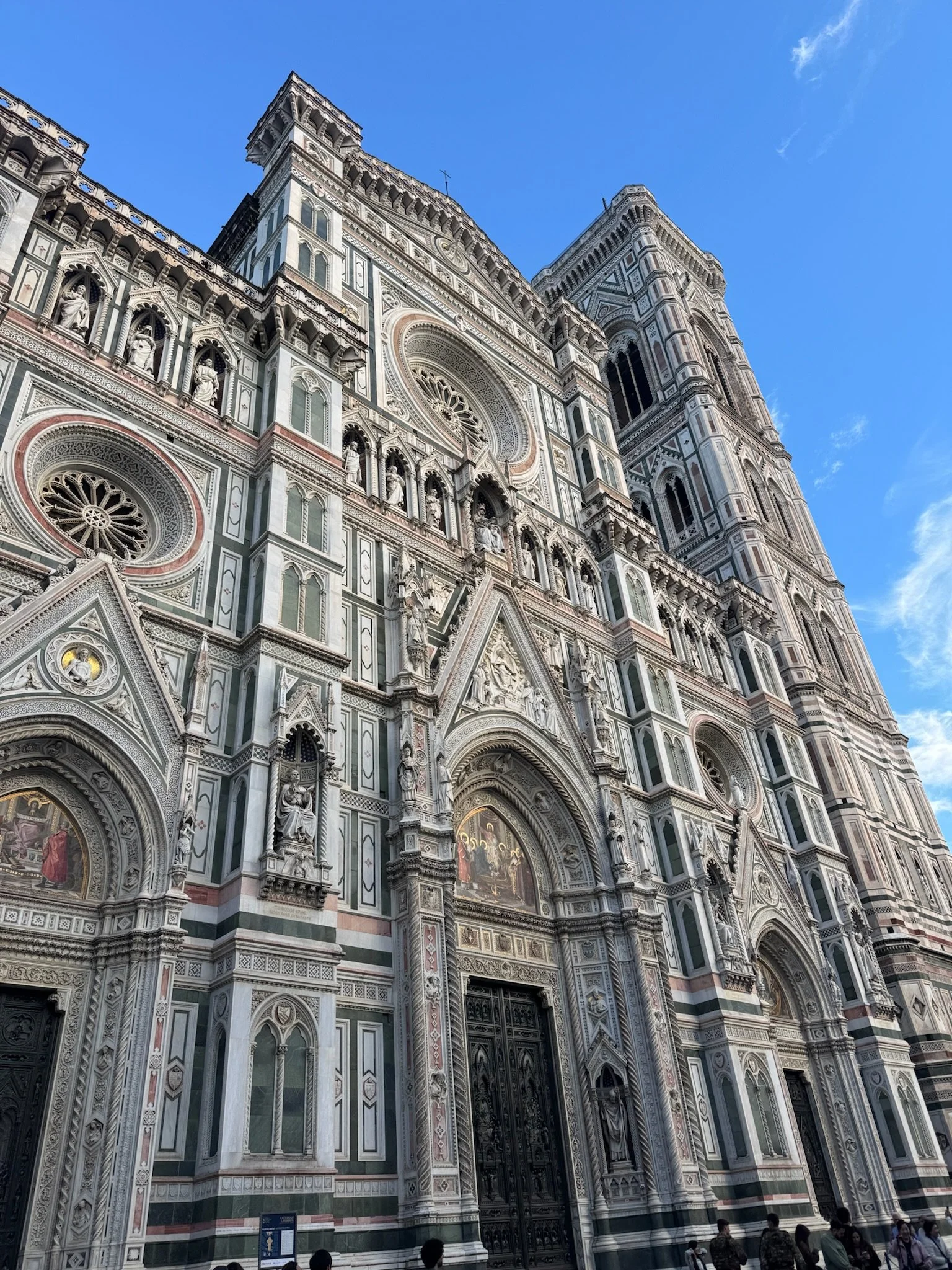
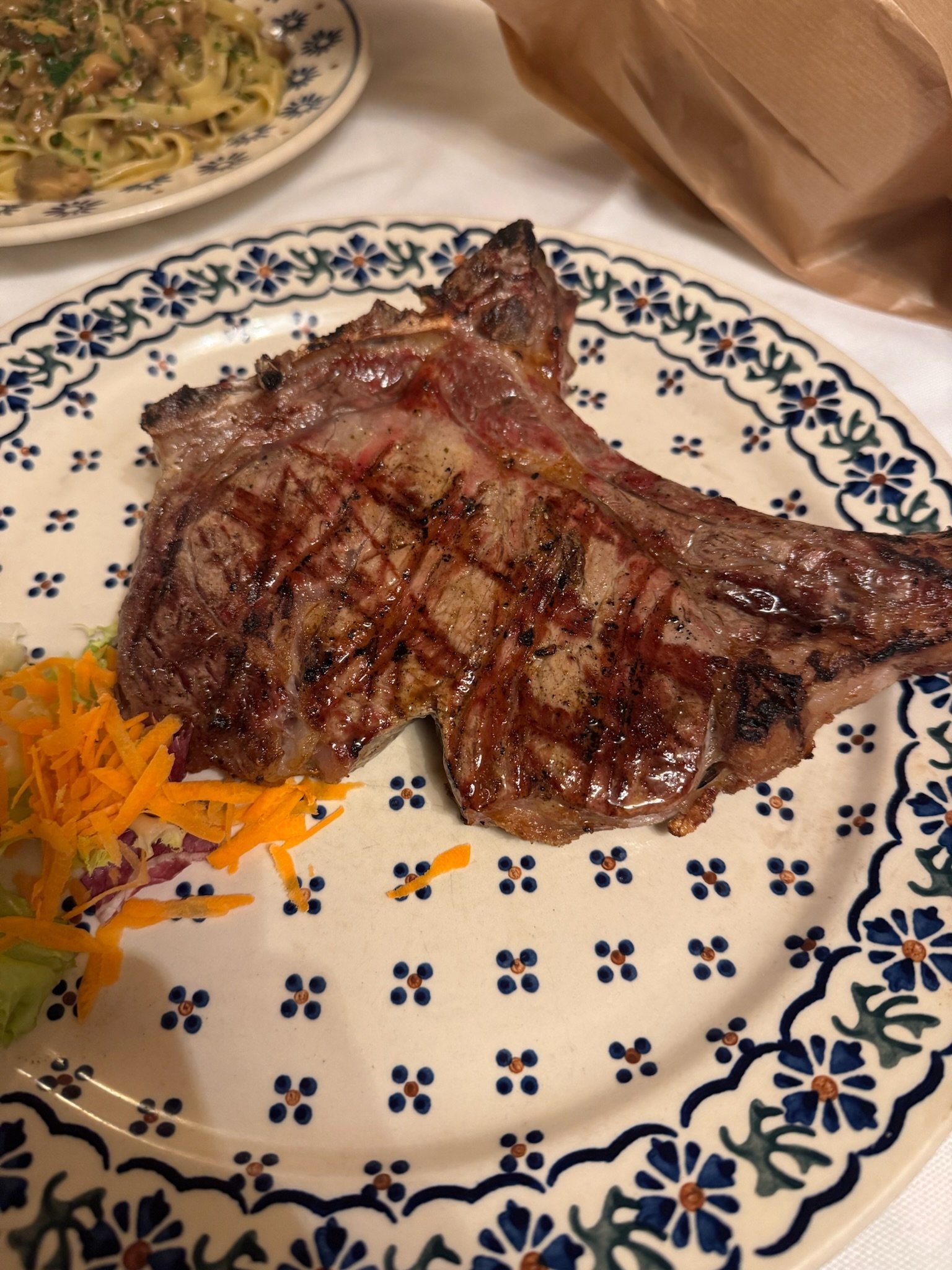
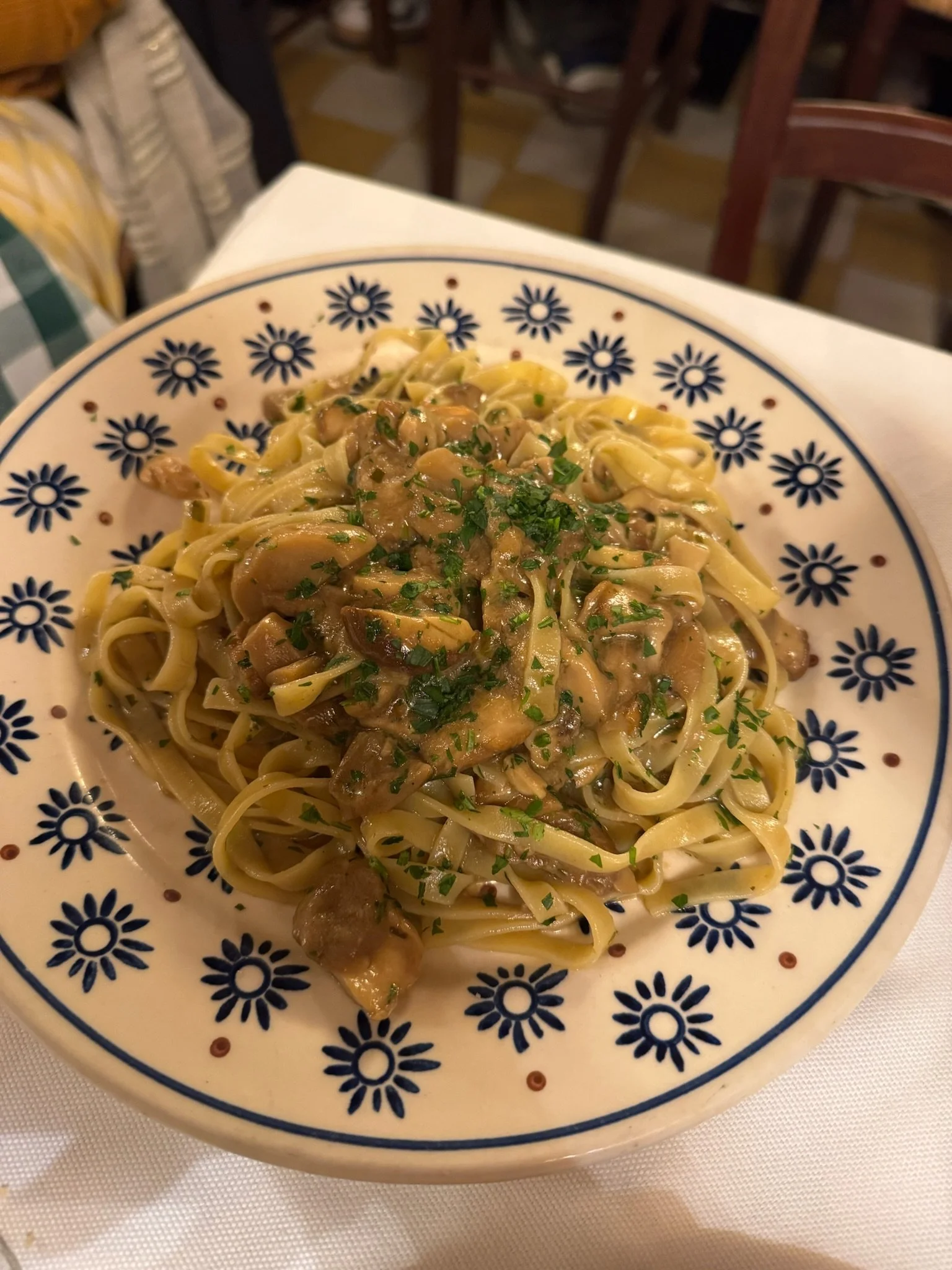
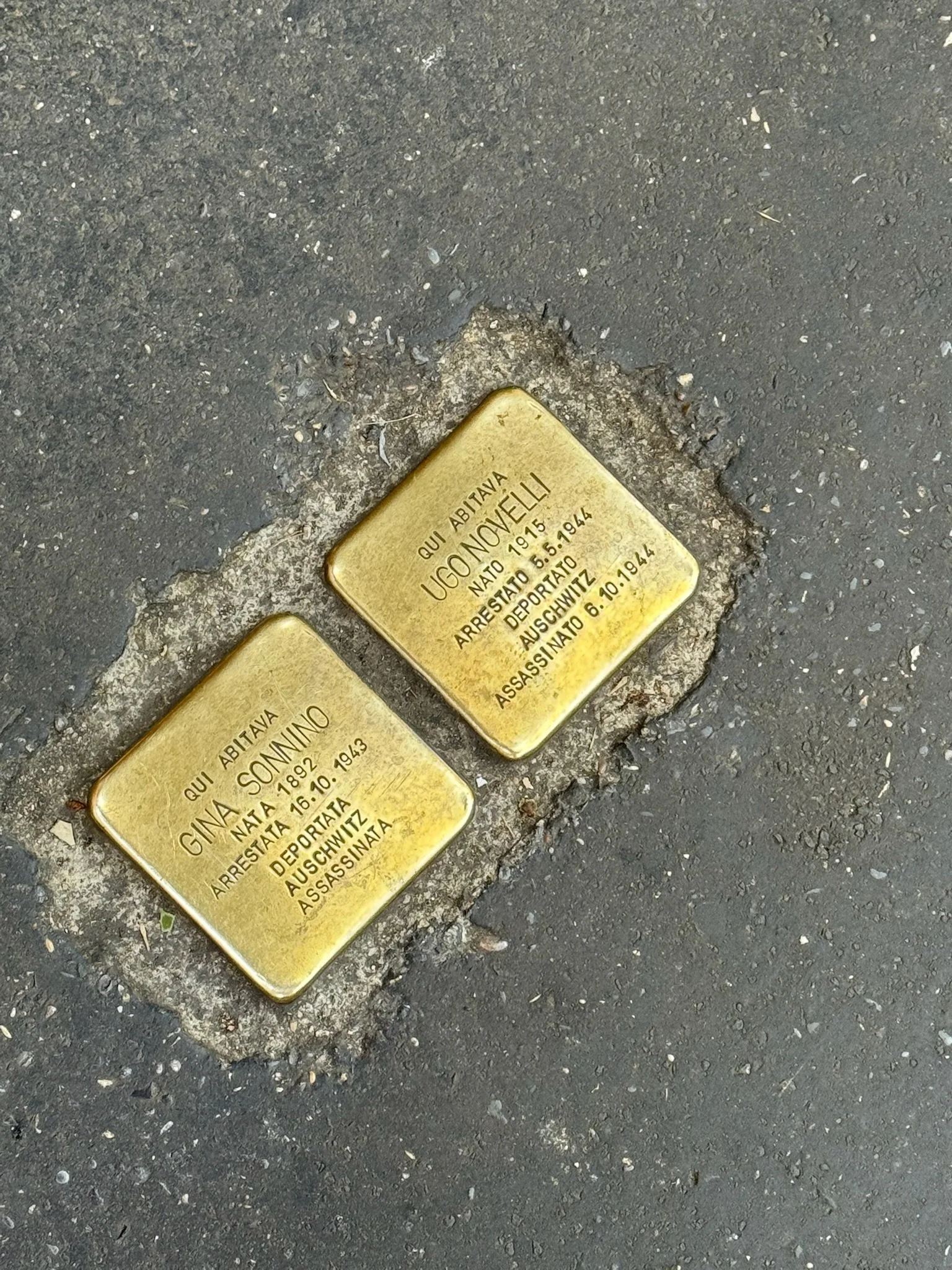
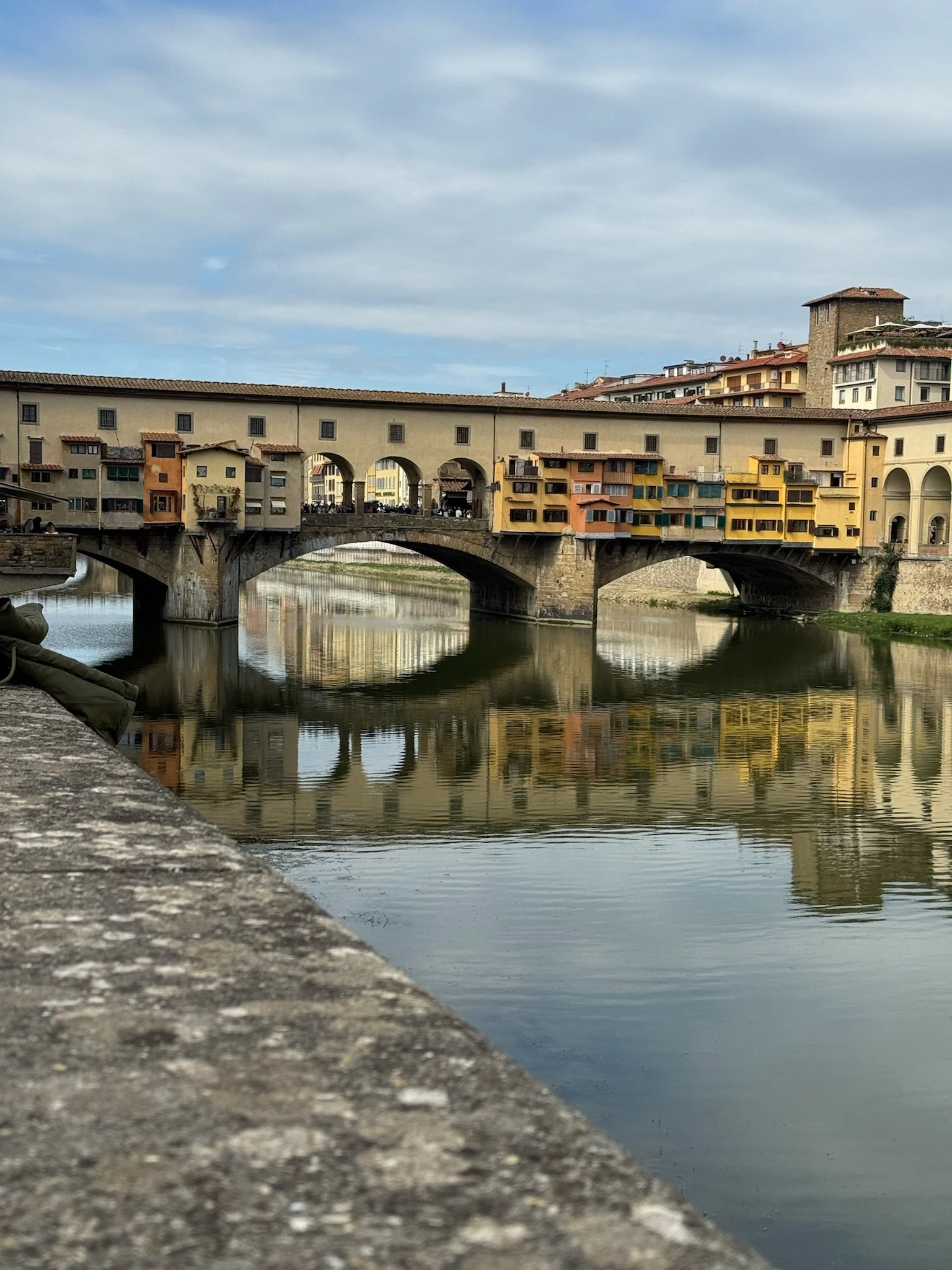
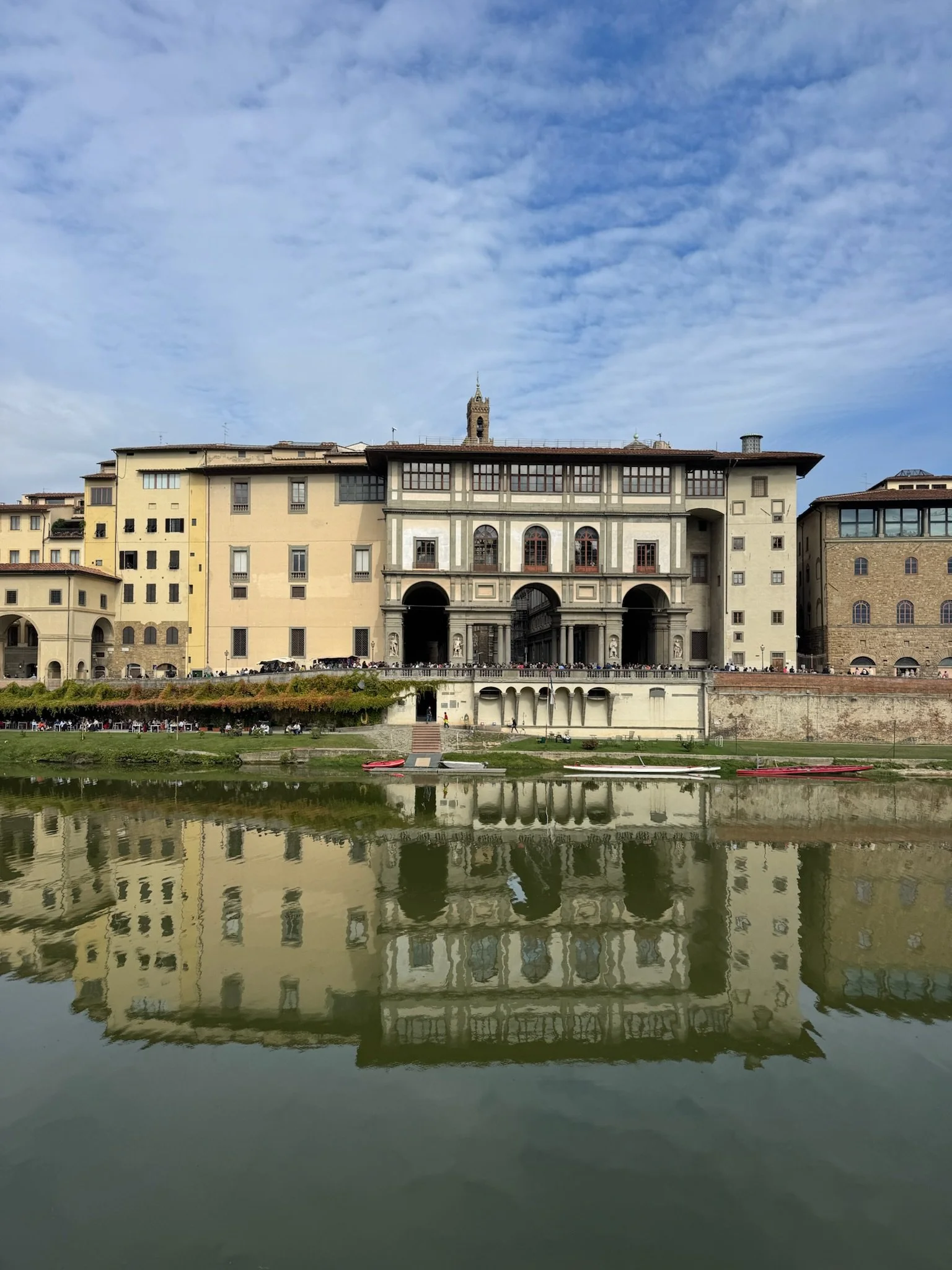
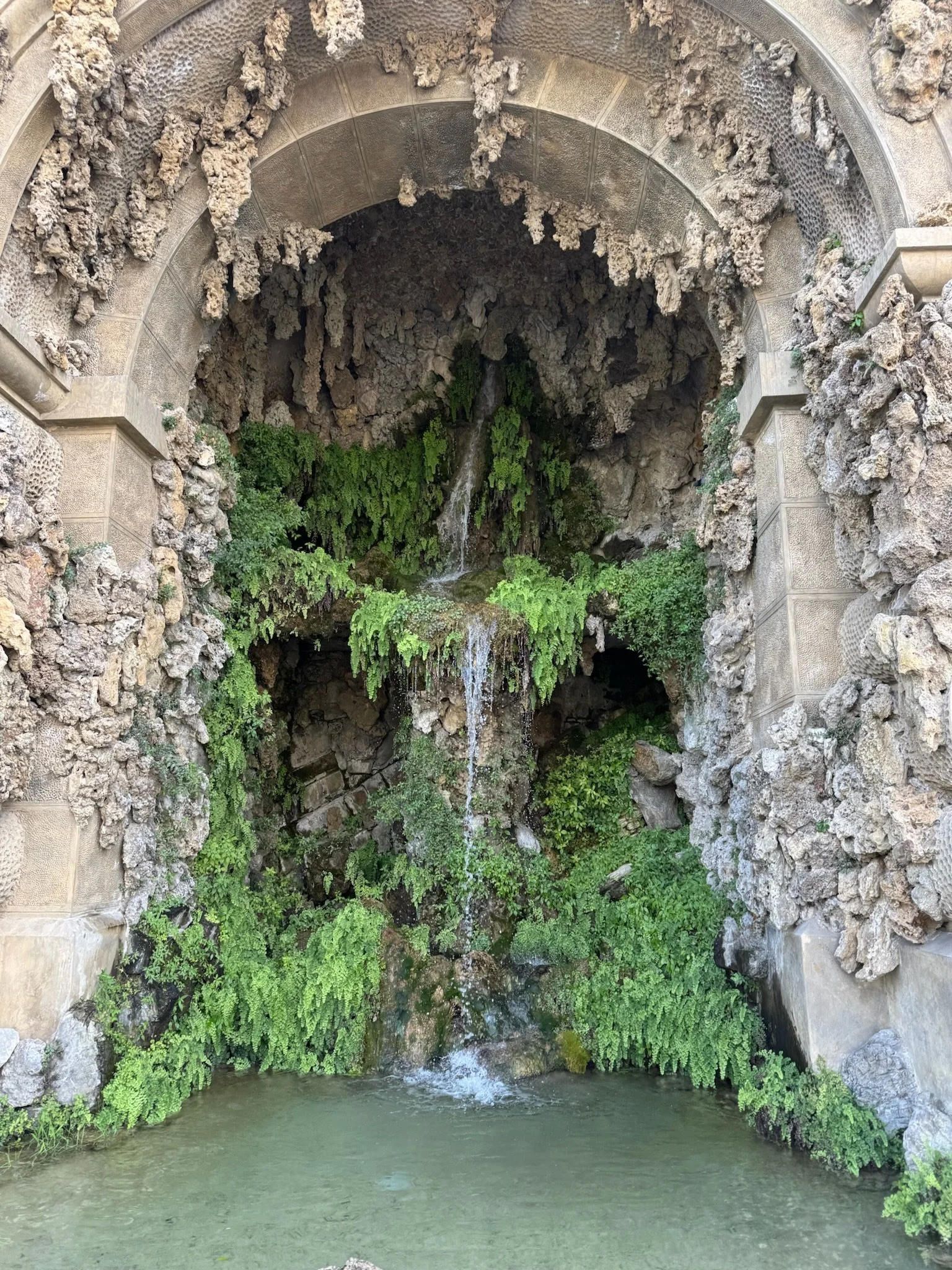
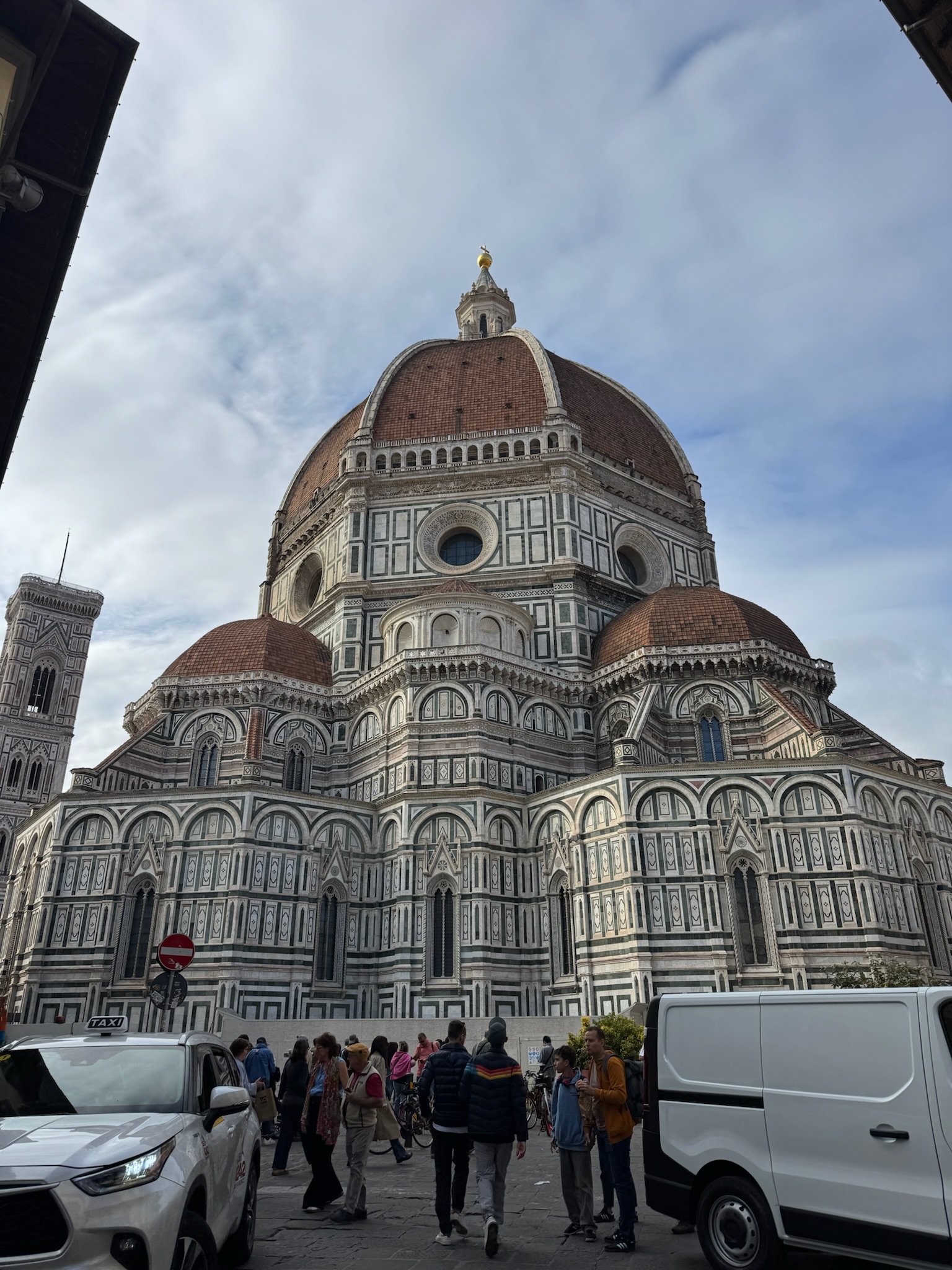
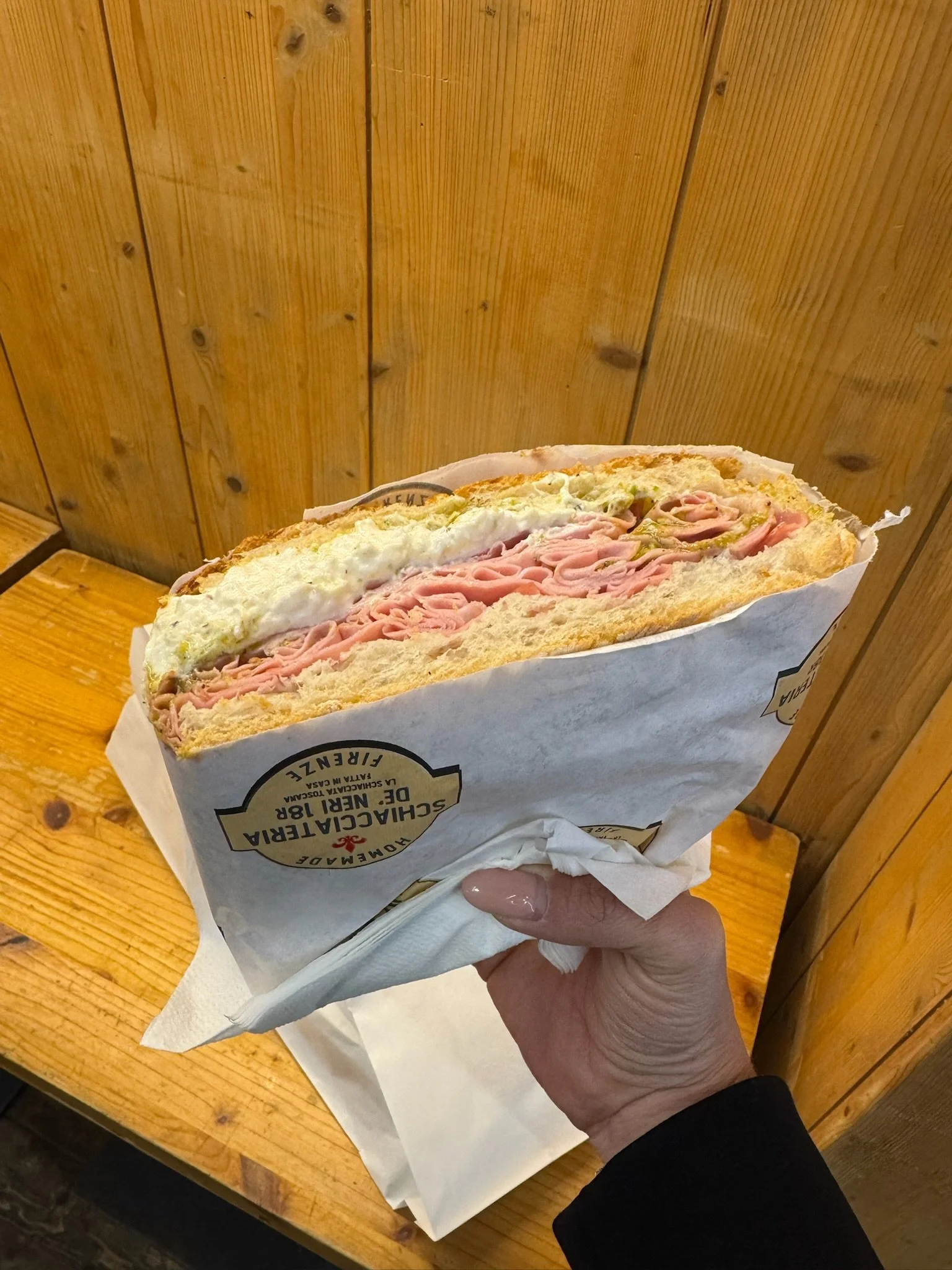
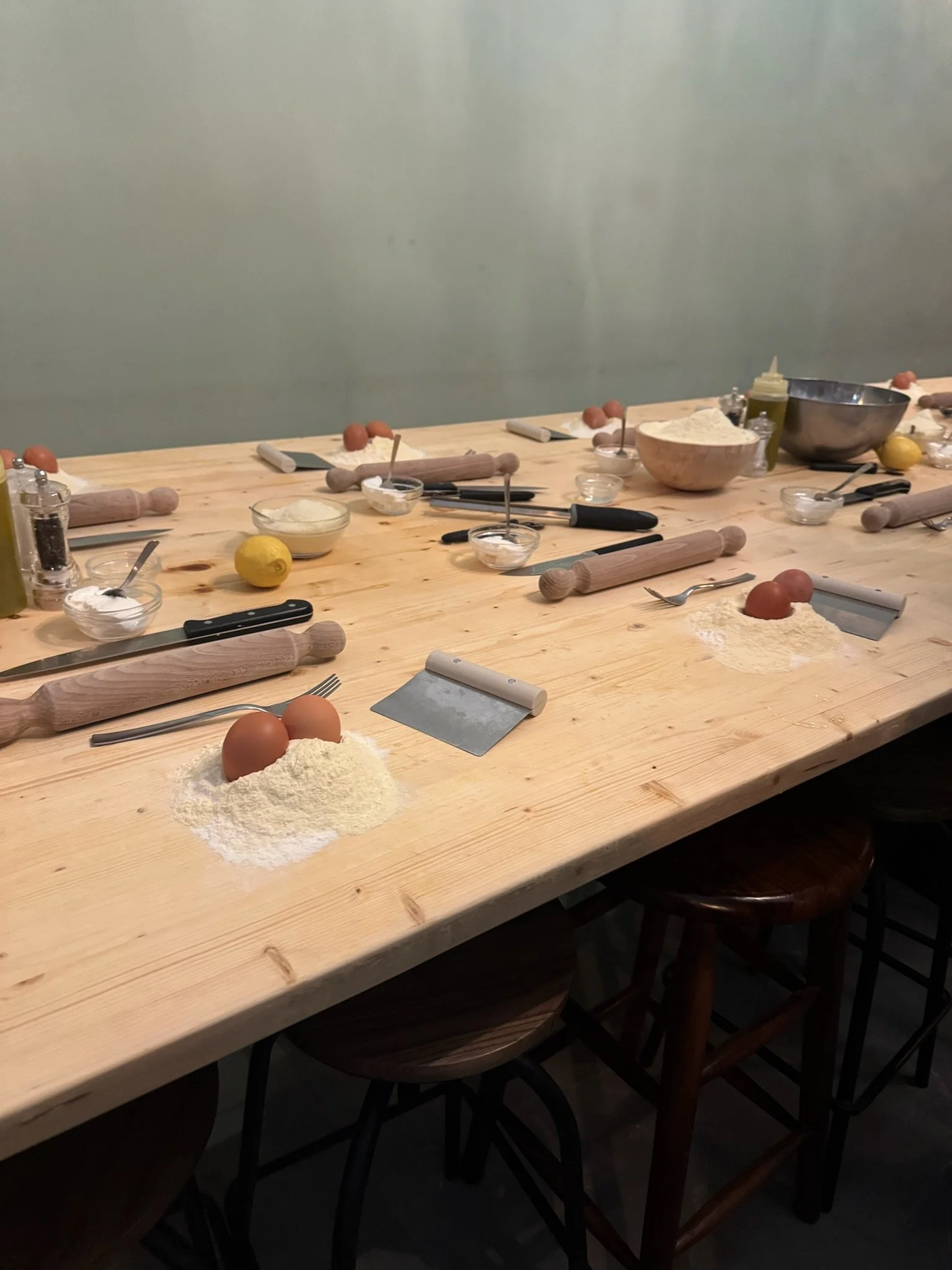
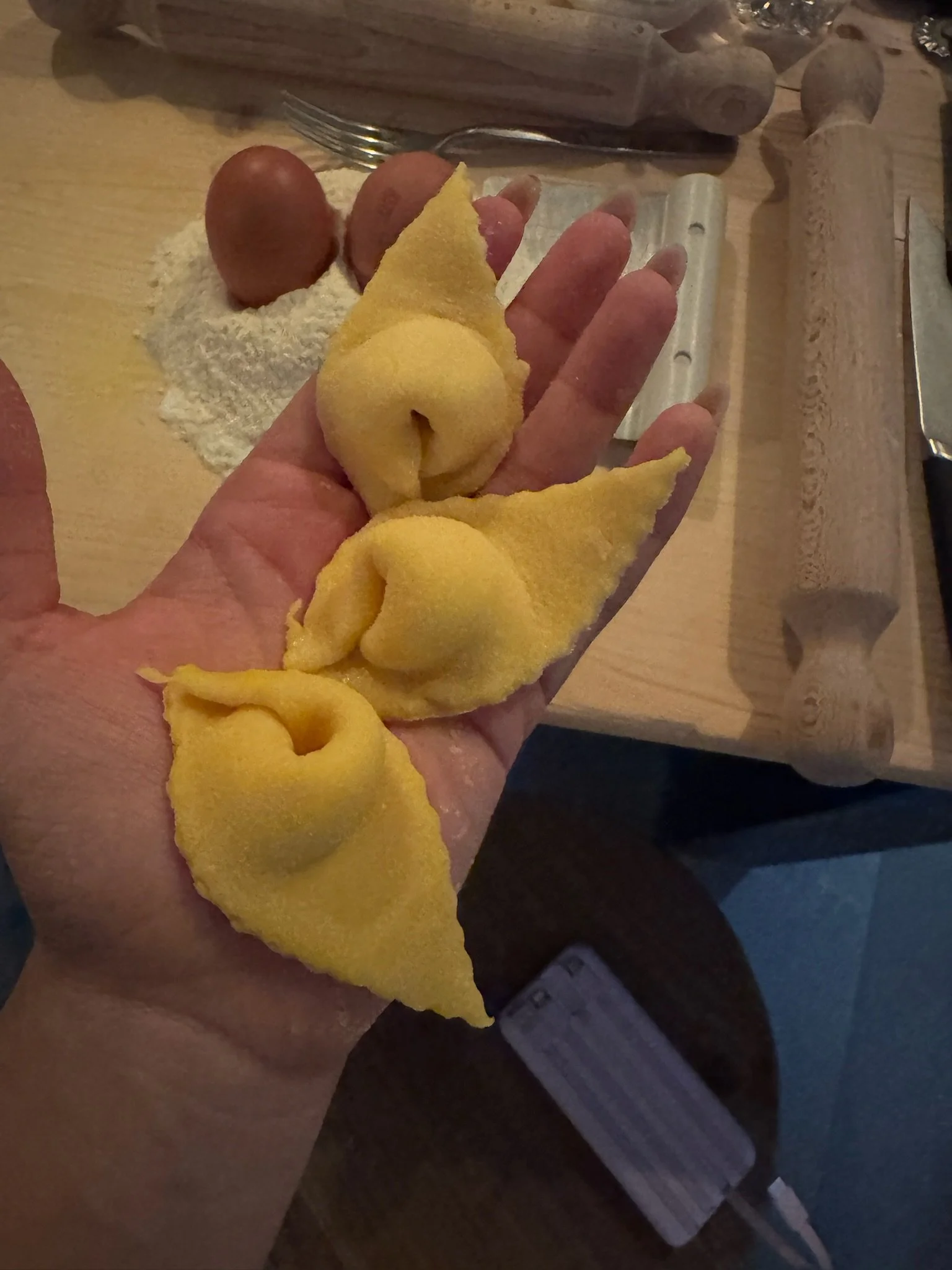
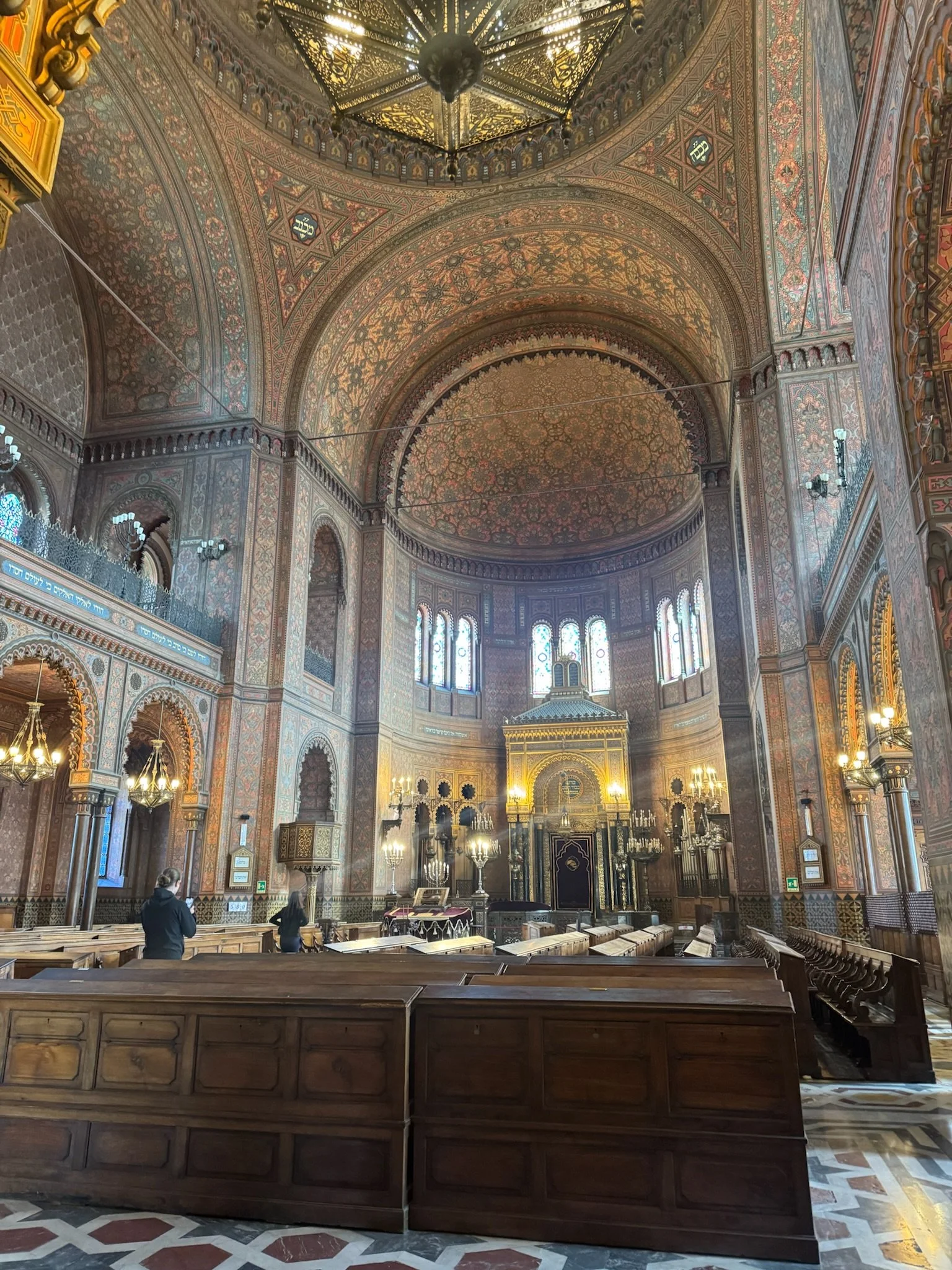
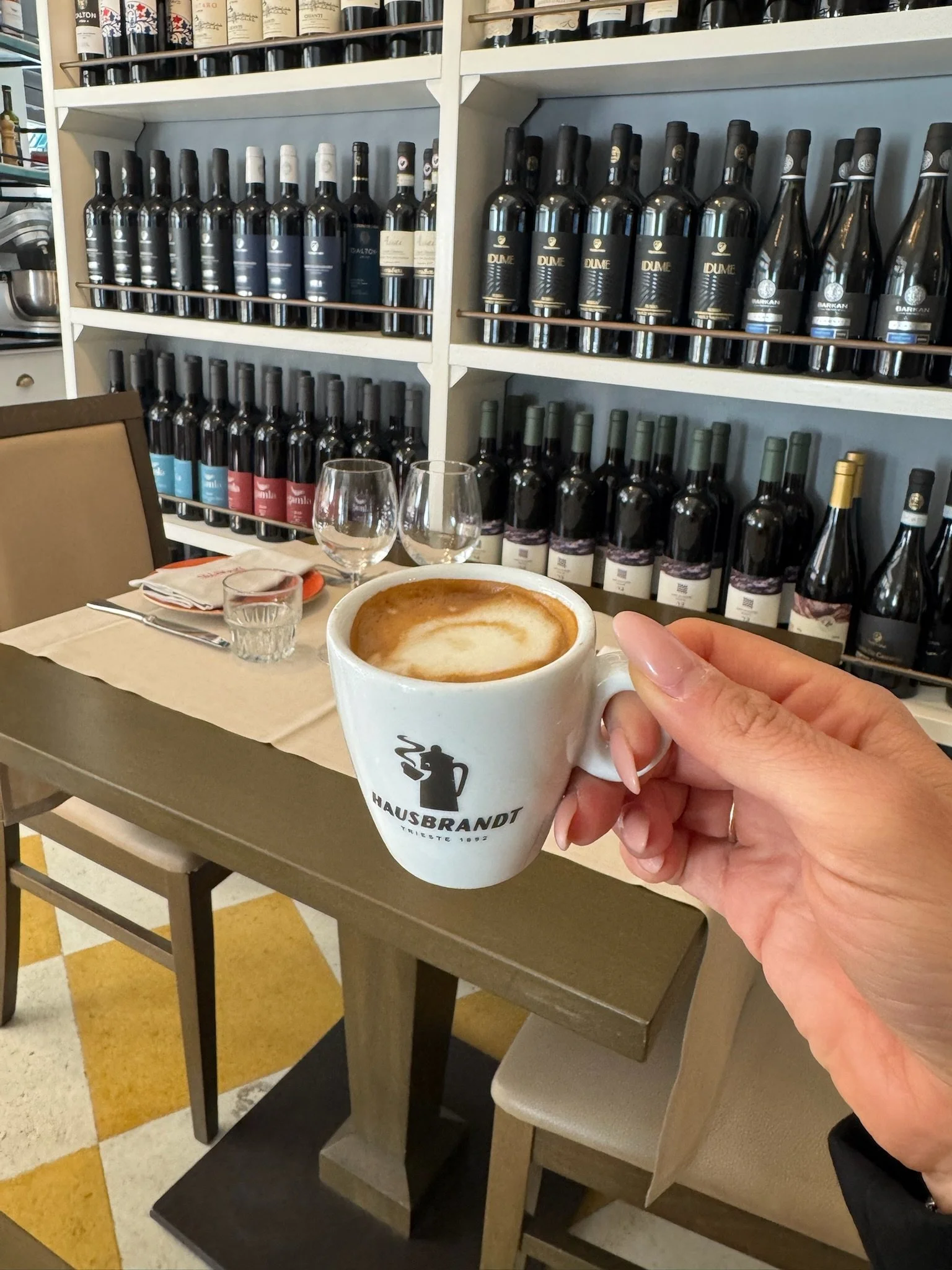
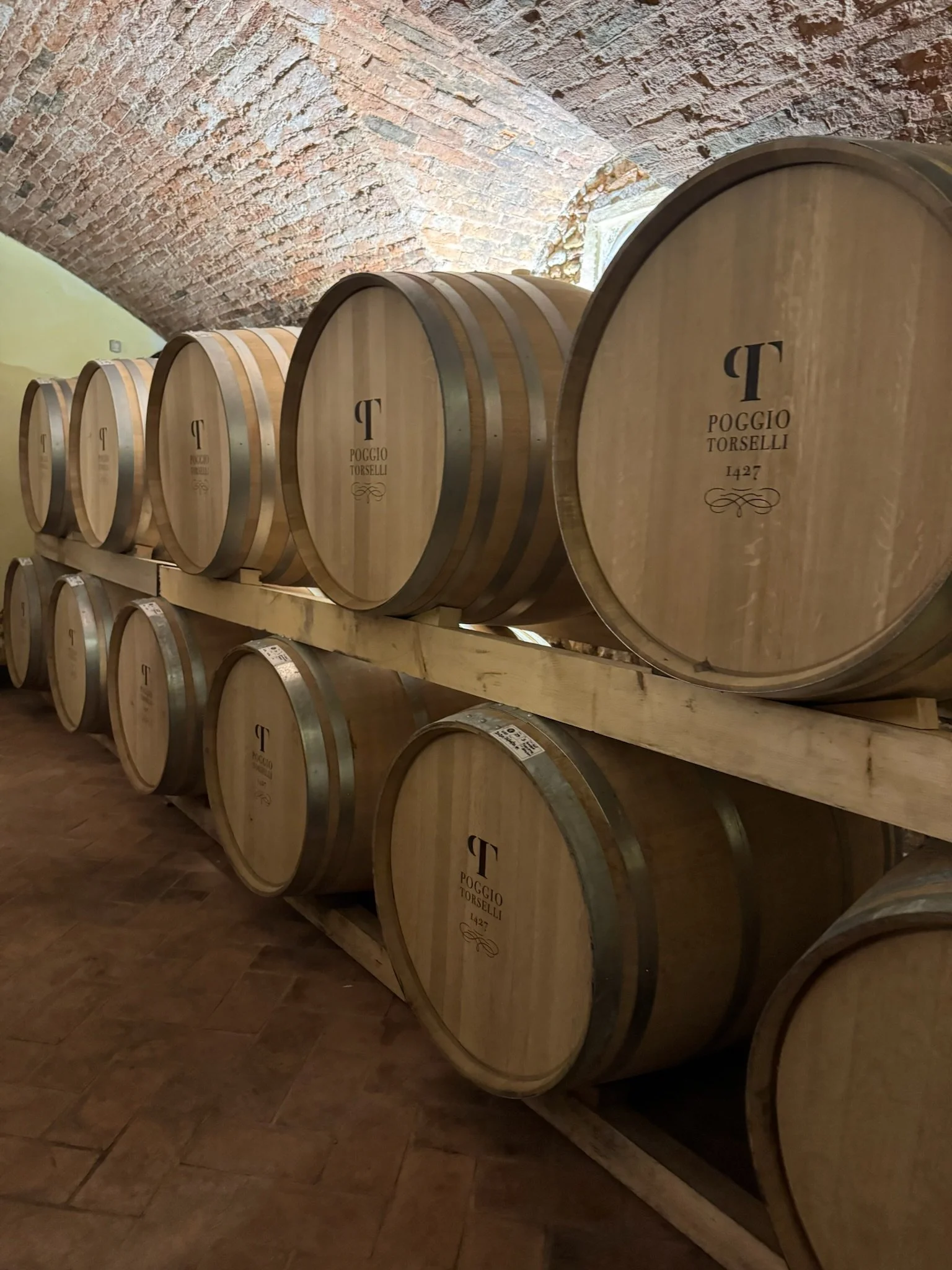
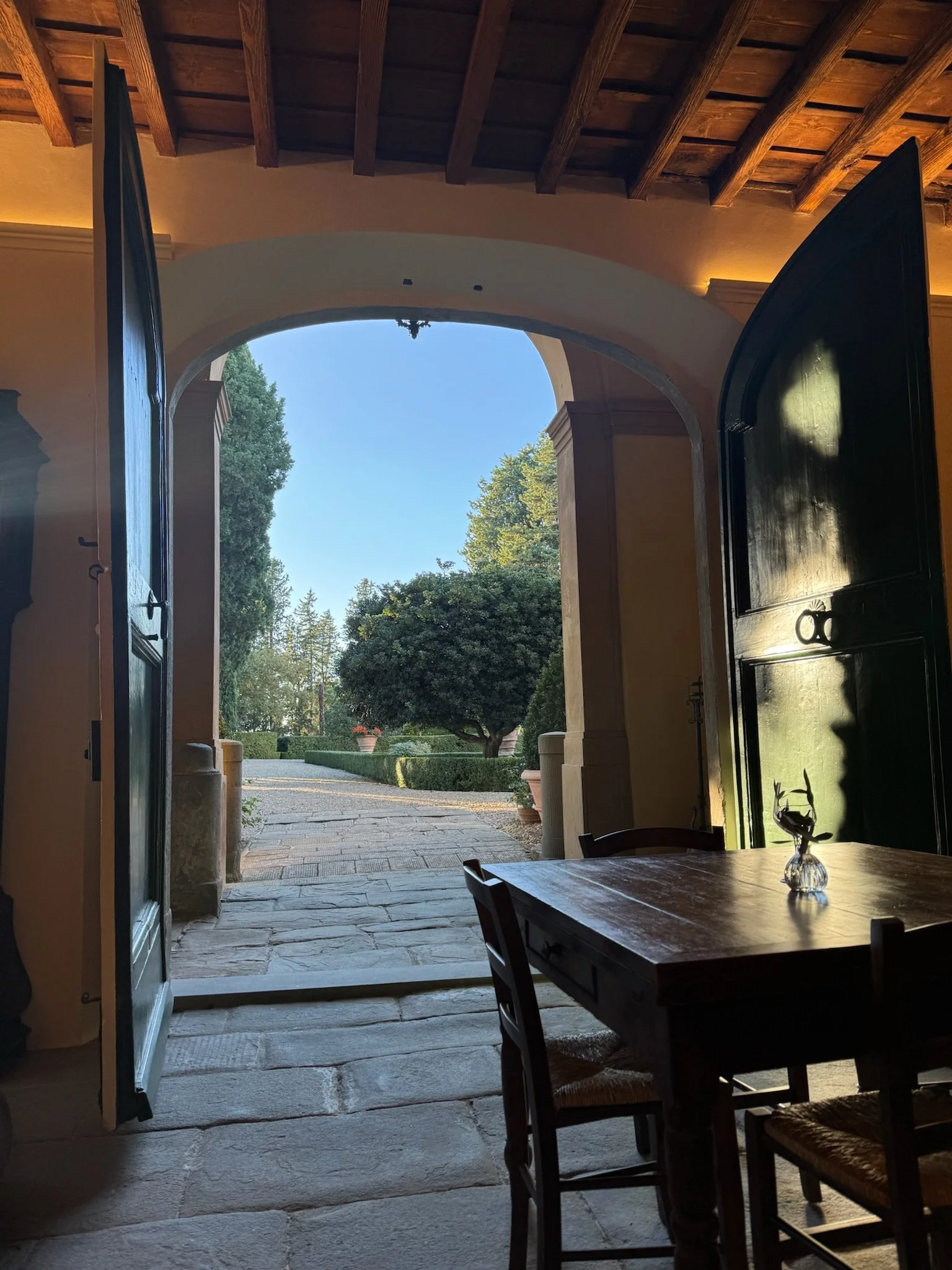
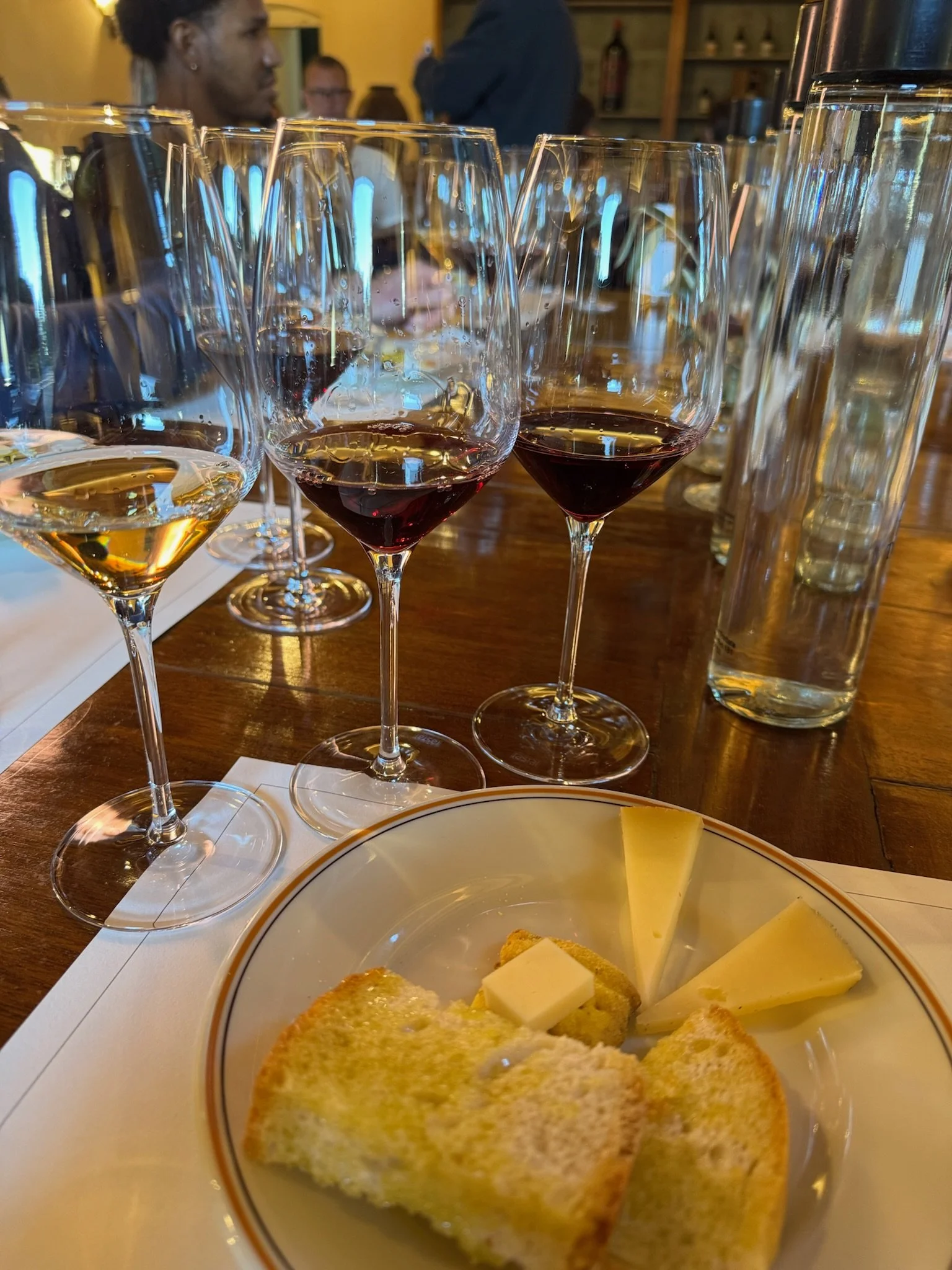
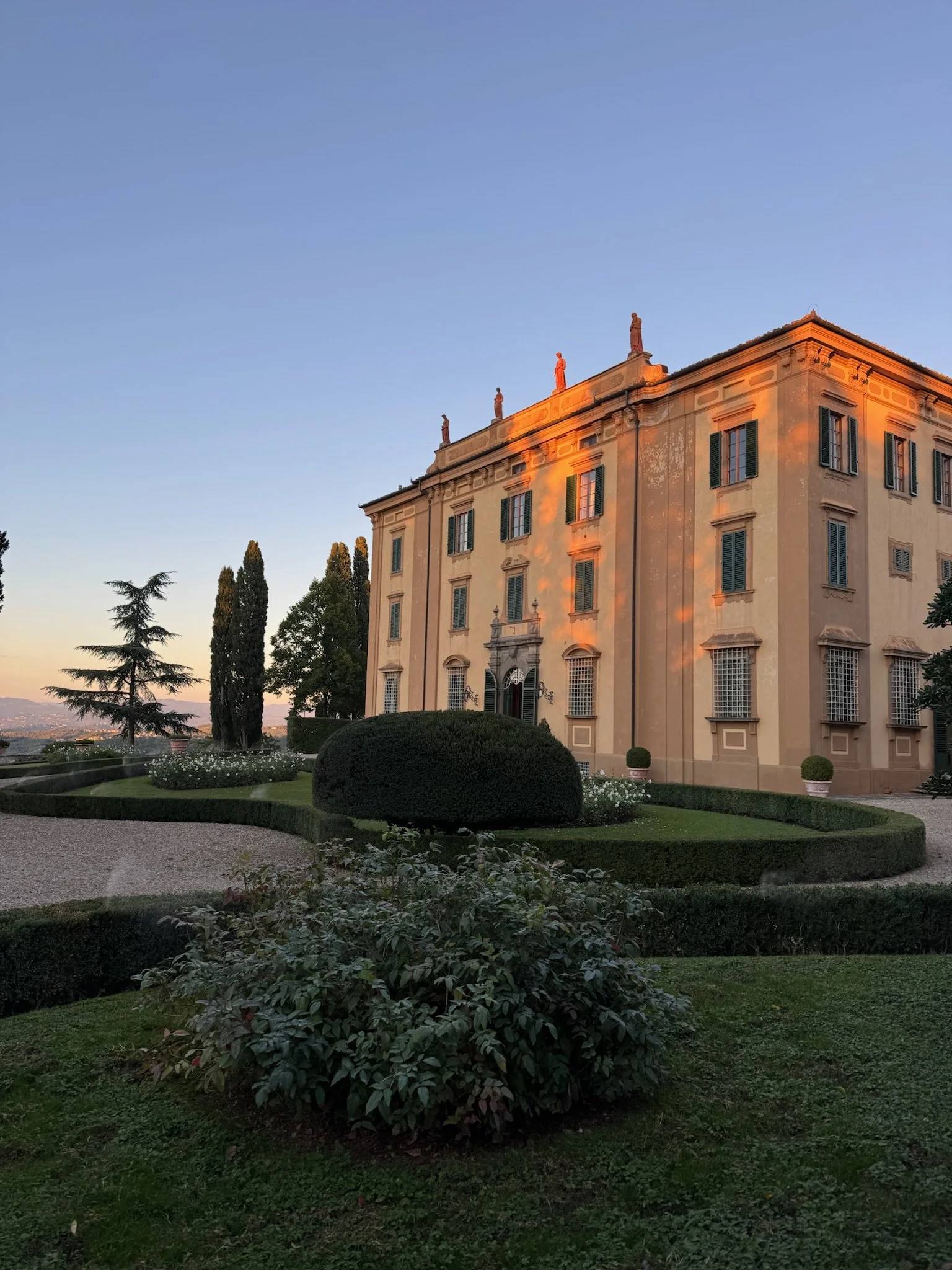
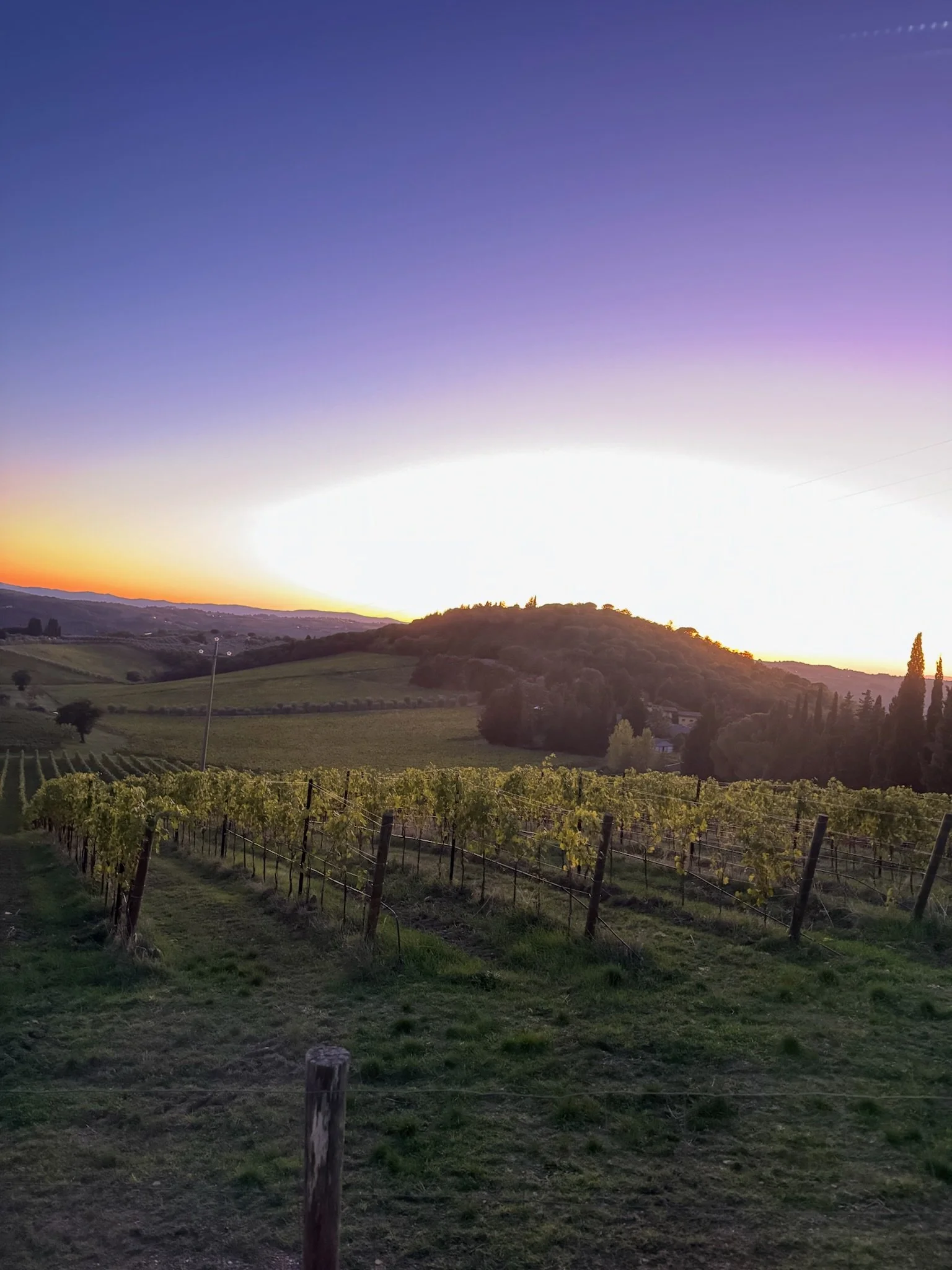
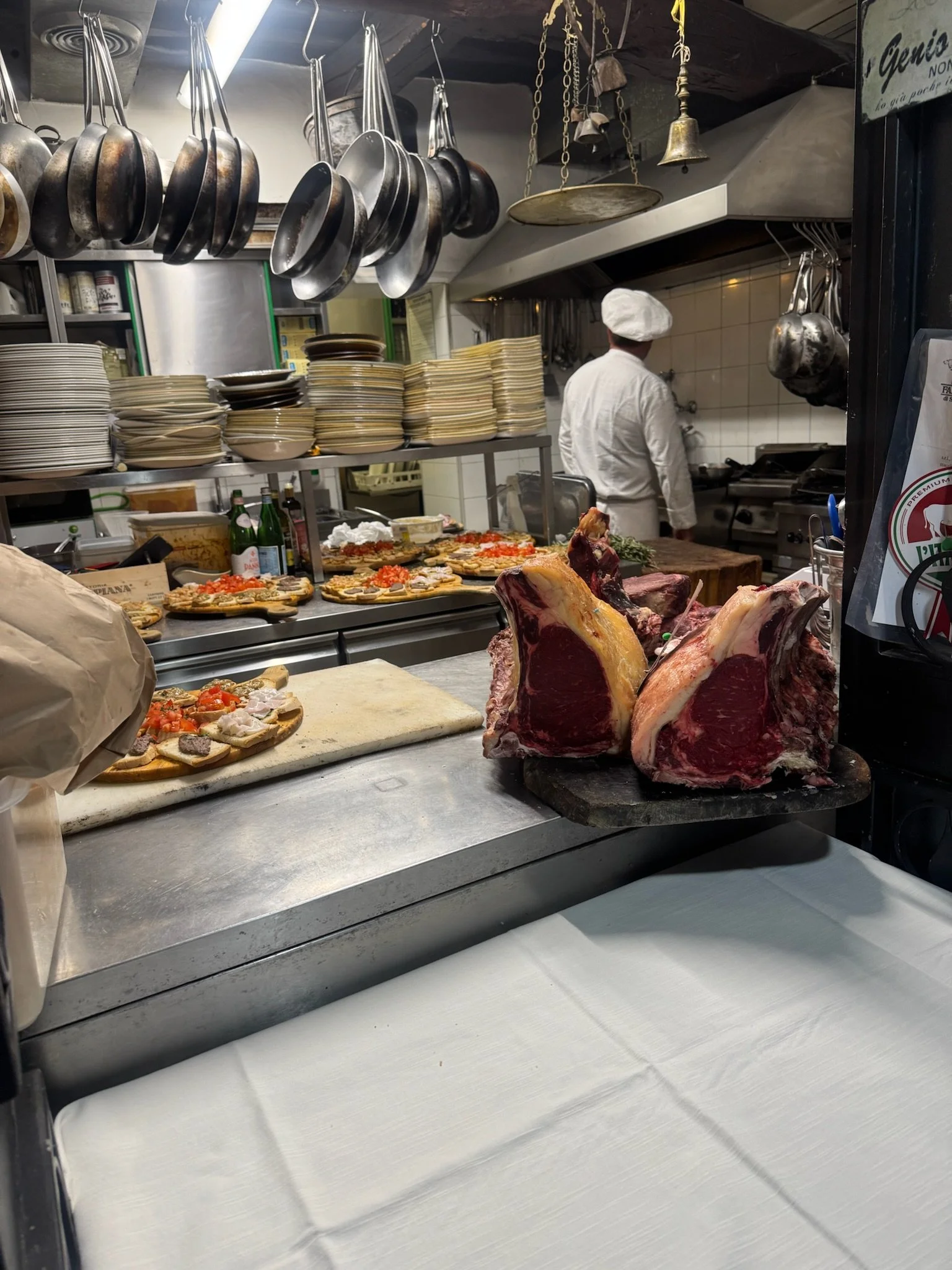
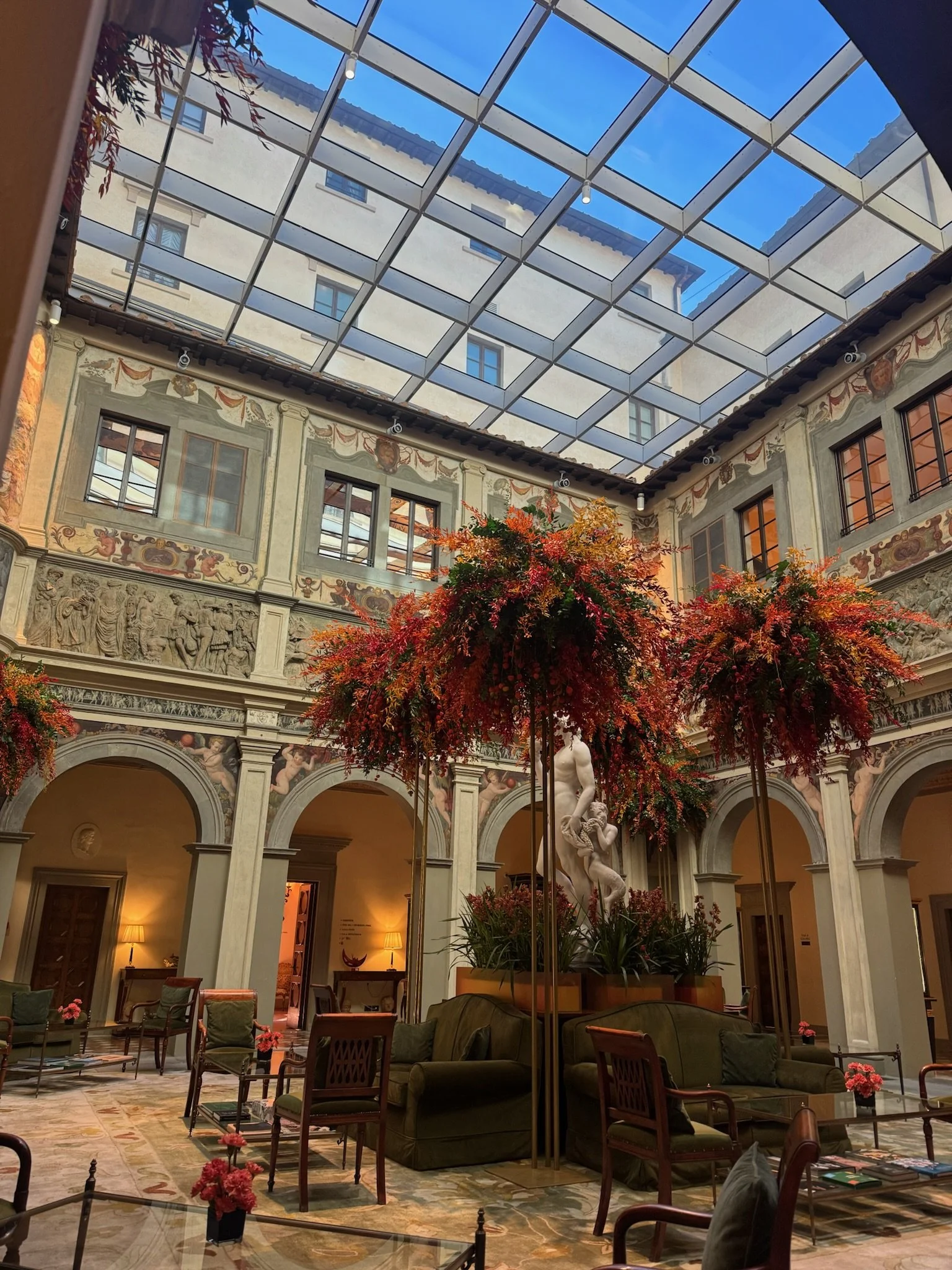
Here's what most people don't understand about solo travel planning: there's a real difference between building an itinerary for someone and building one that lets someone discover themselves. Rachel packed light — carry-on only, for 45 days — she was thinking like a seasoned traveler already, and I leaned into that. She didn't need my permission to do things. She needed my confidence that I'd set up the frame well enough that she could improvise inside it.
That boundary — the solo time first, the companionship later — was architecture. It wasn't accidental. She needed to get herself back before she could celebrate anything. I protected it.
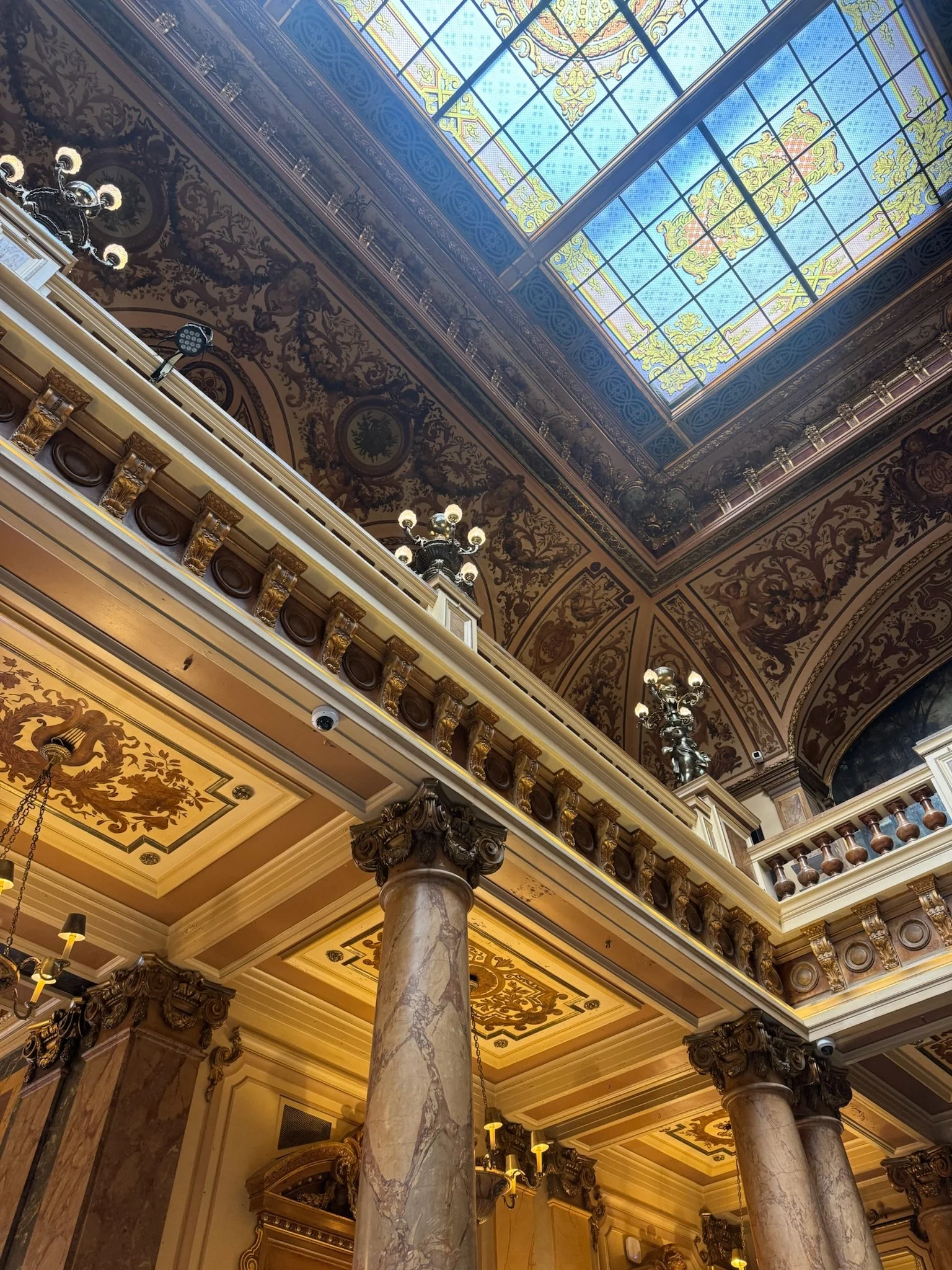
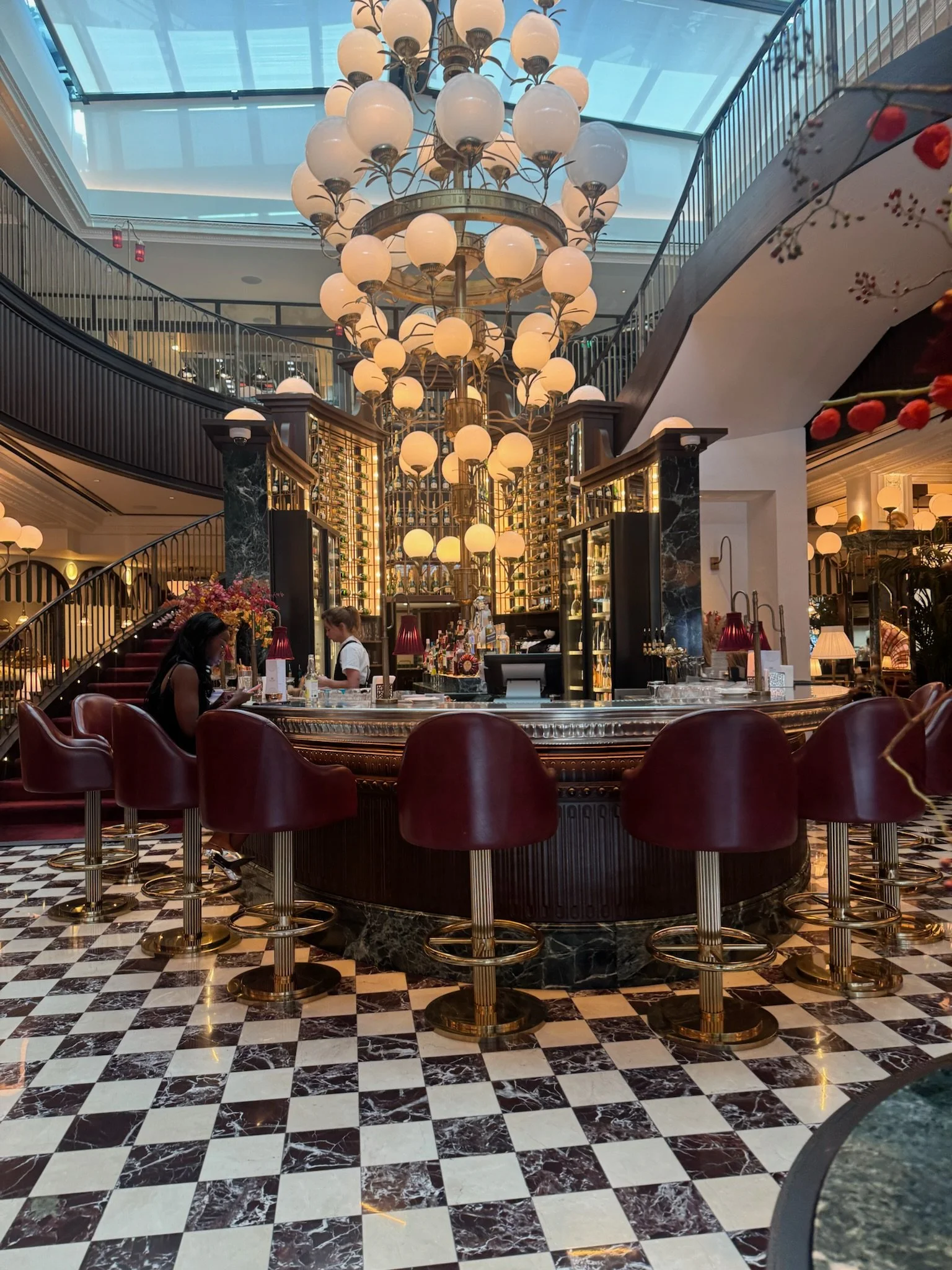
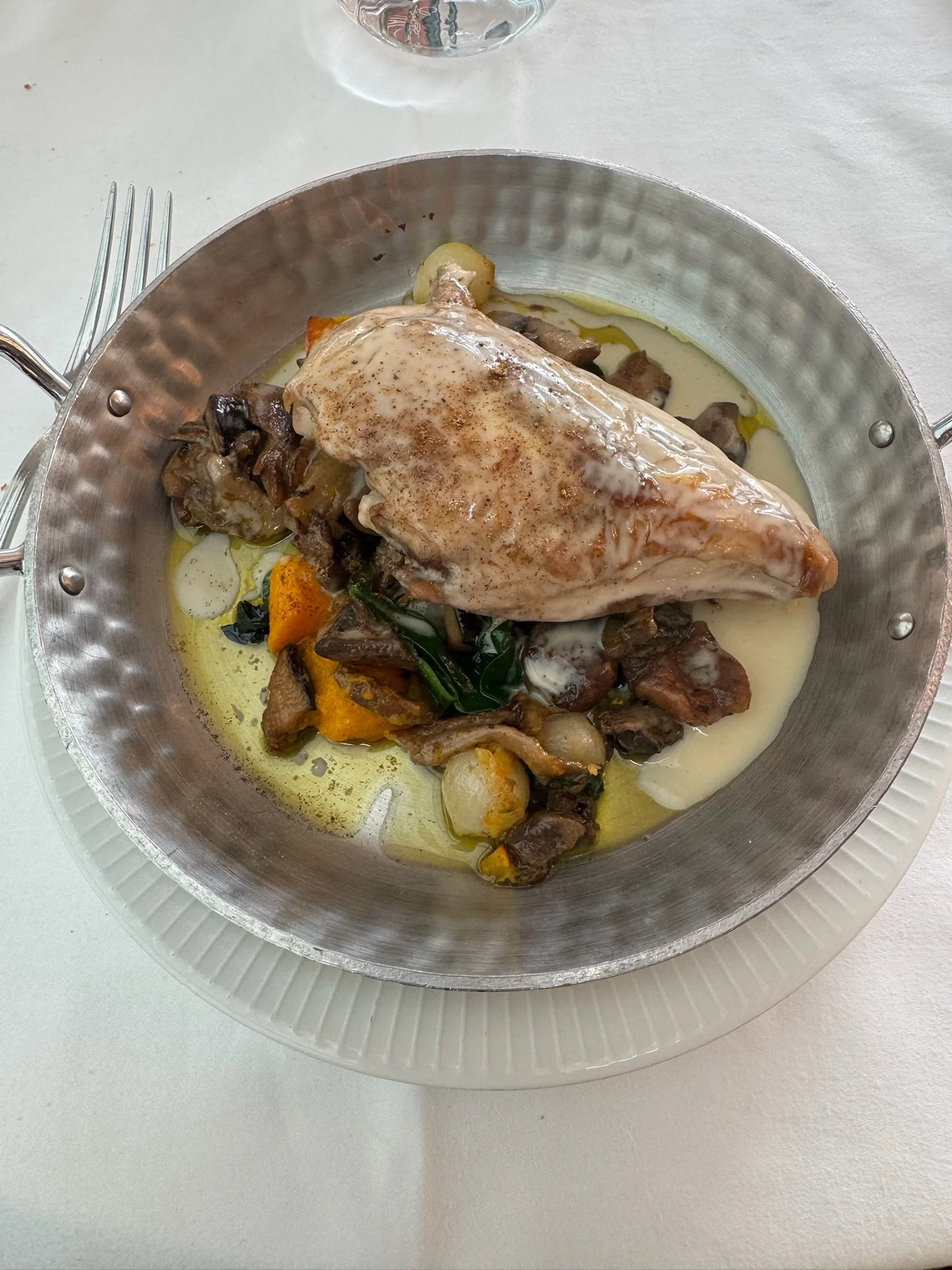

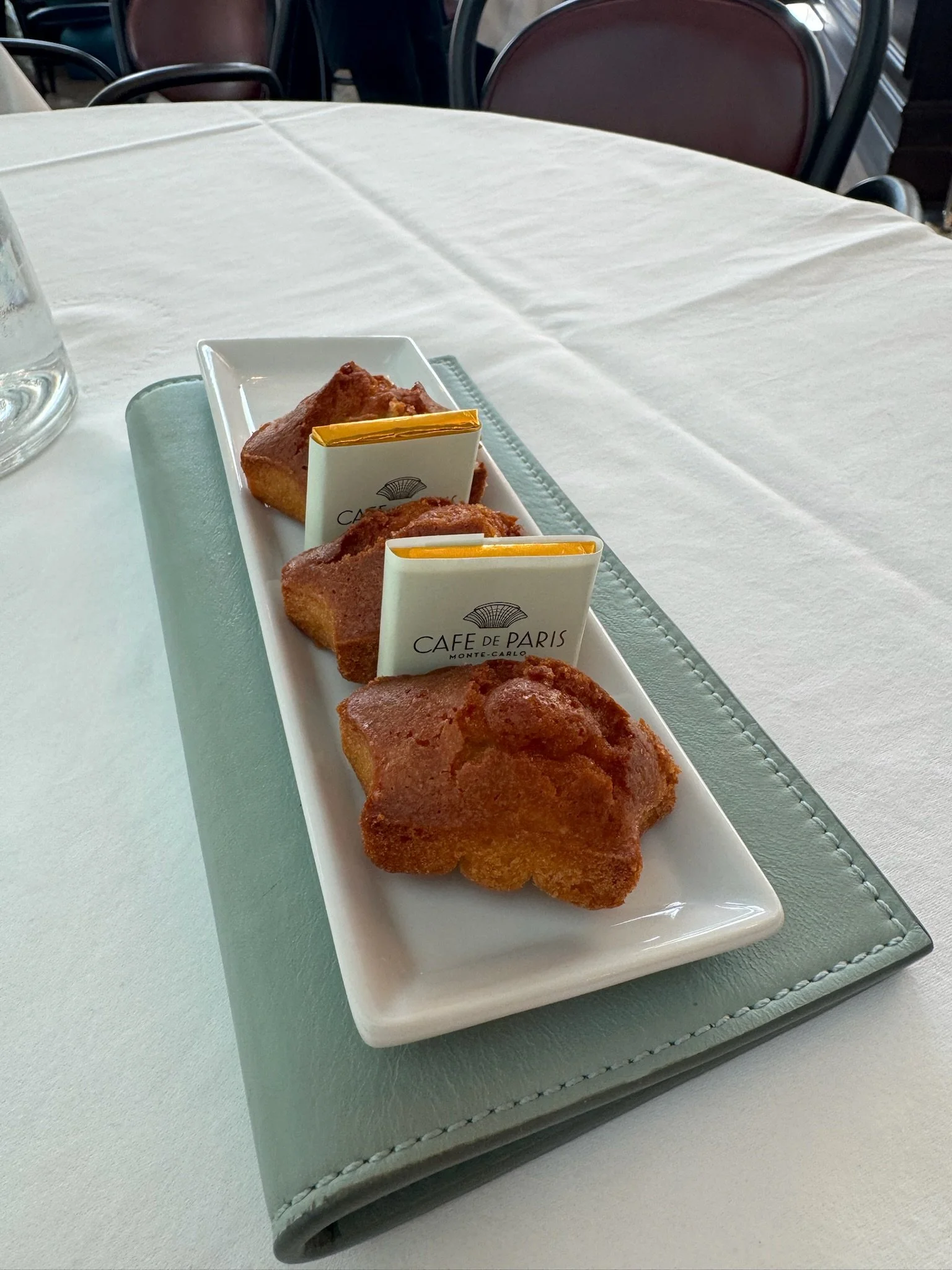
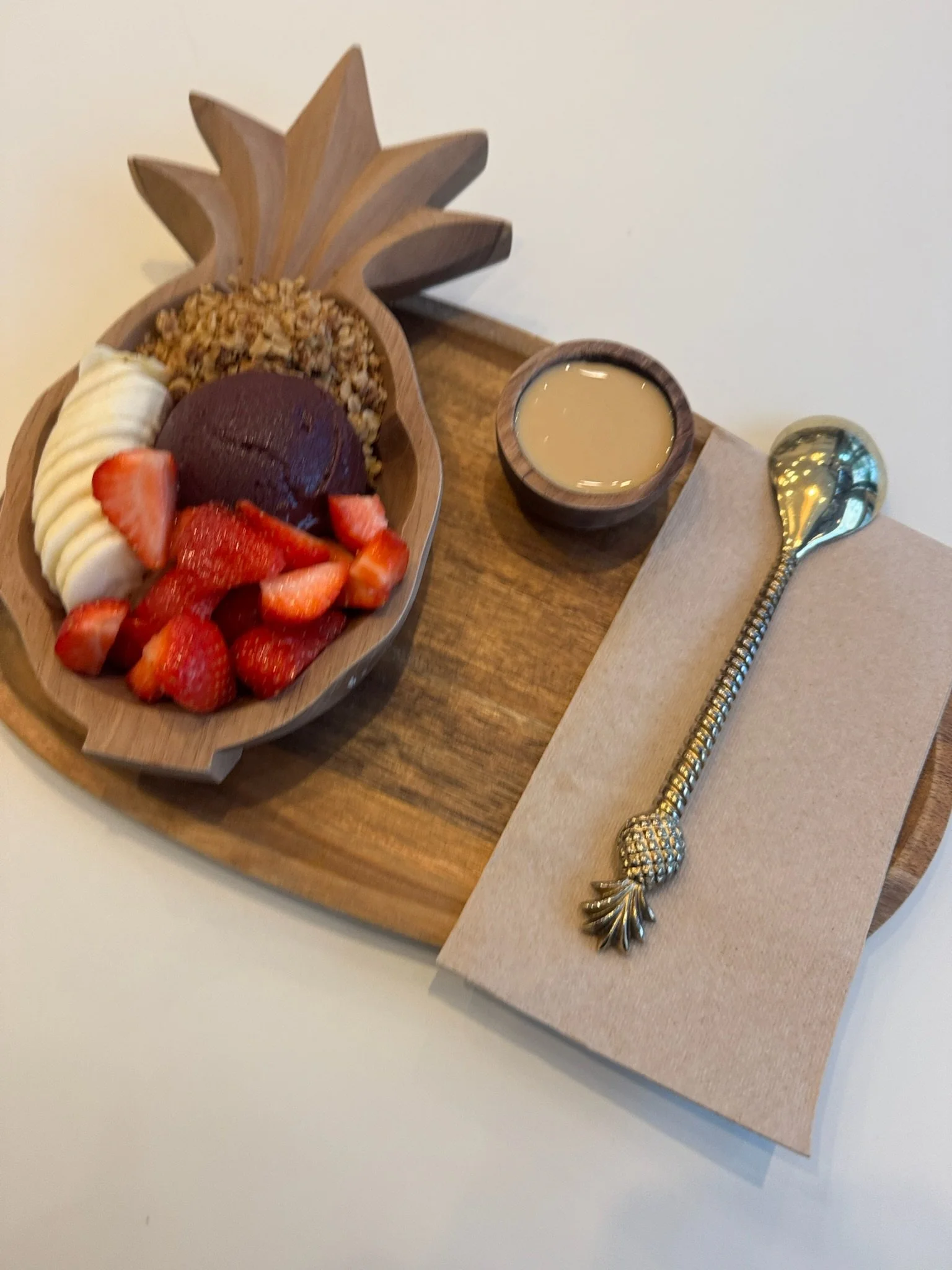
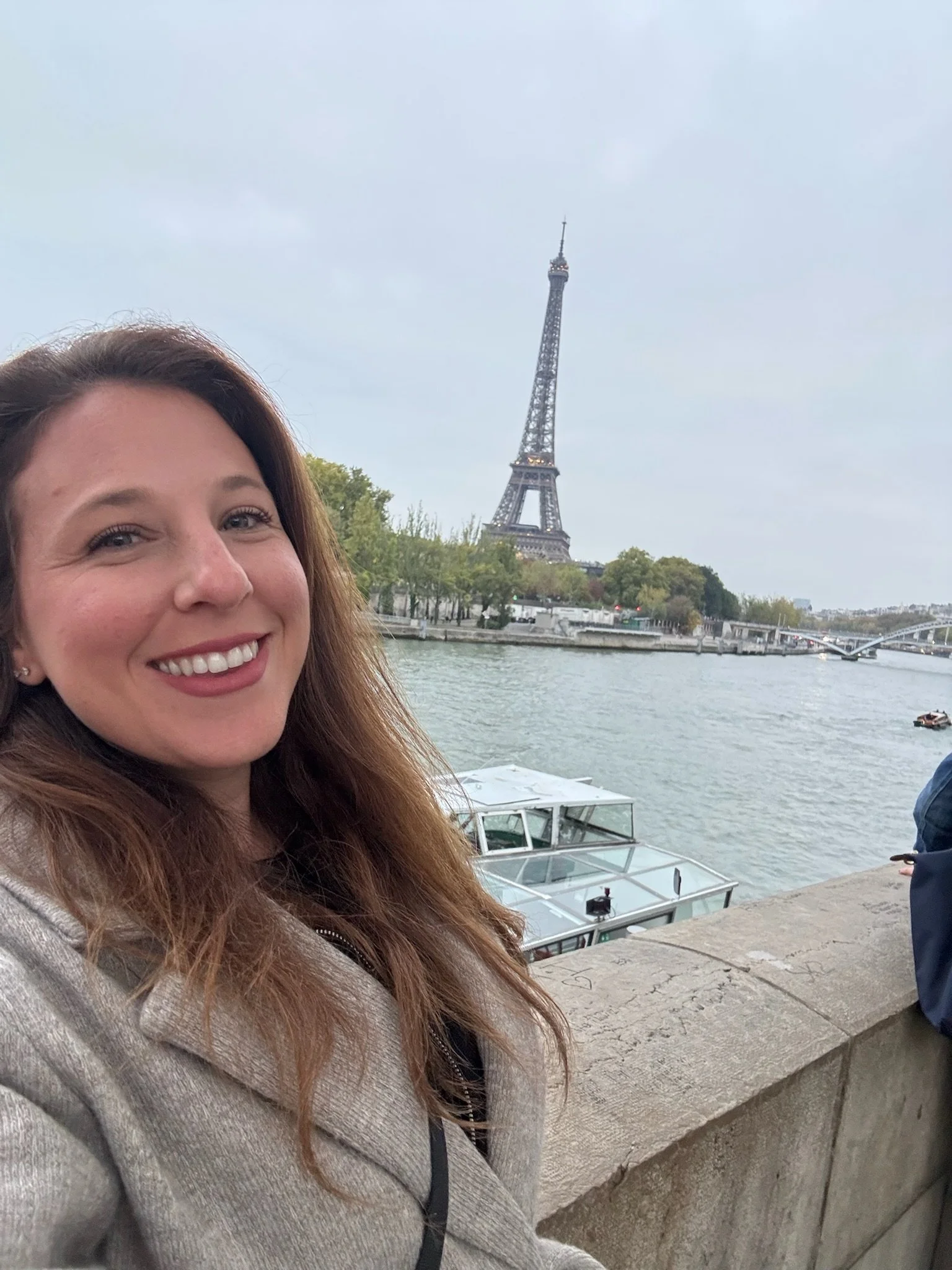
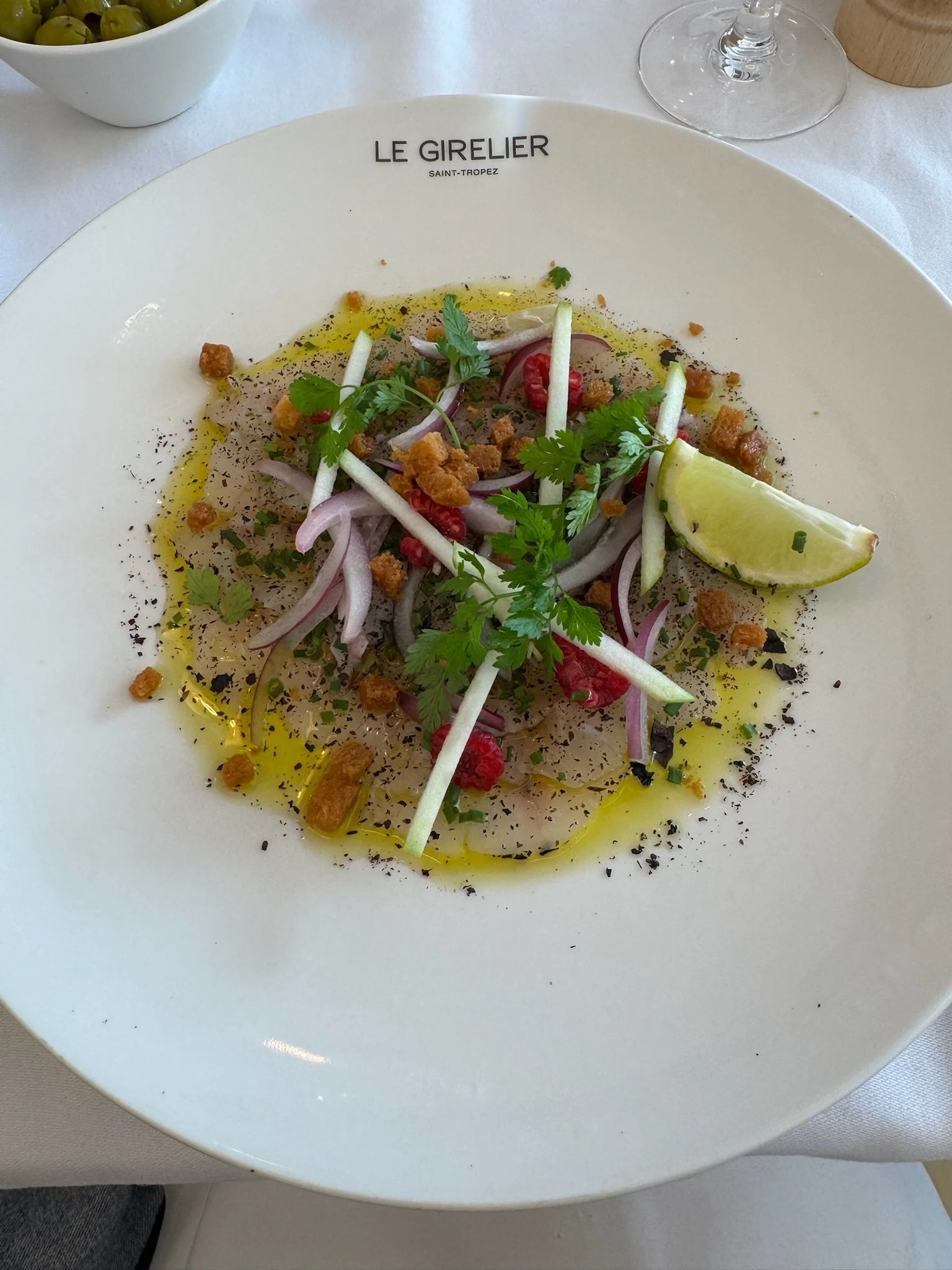
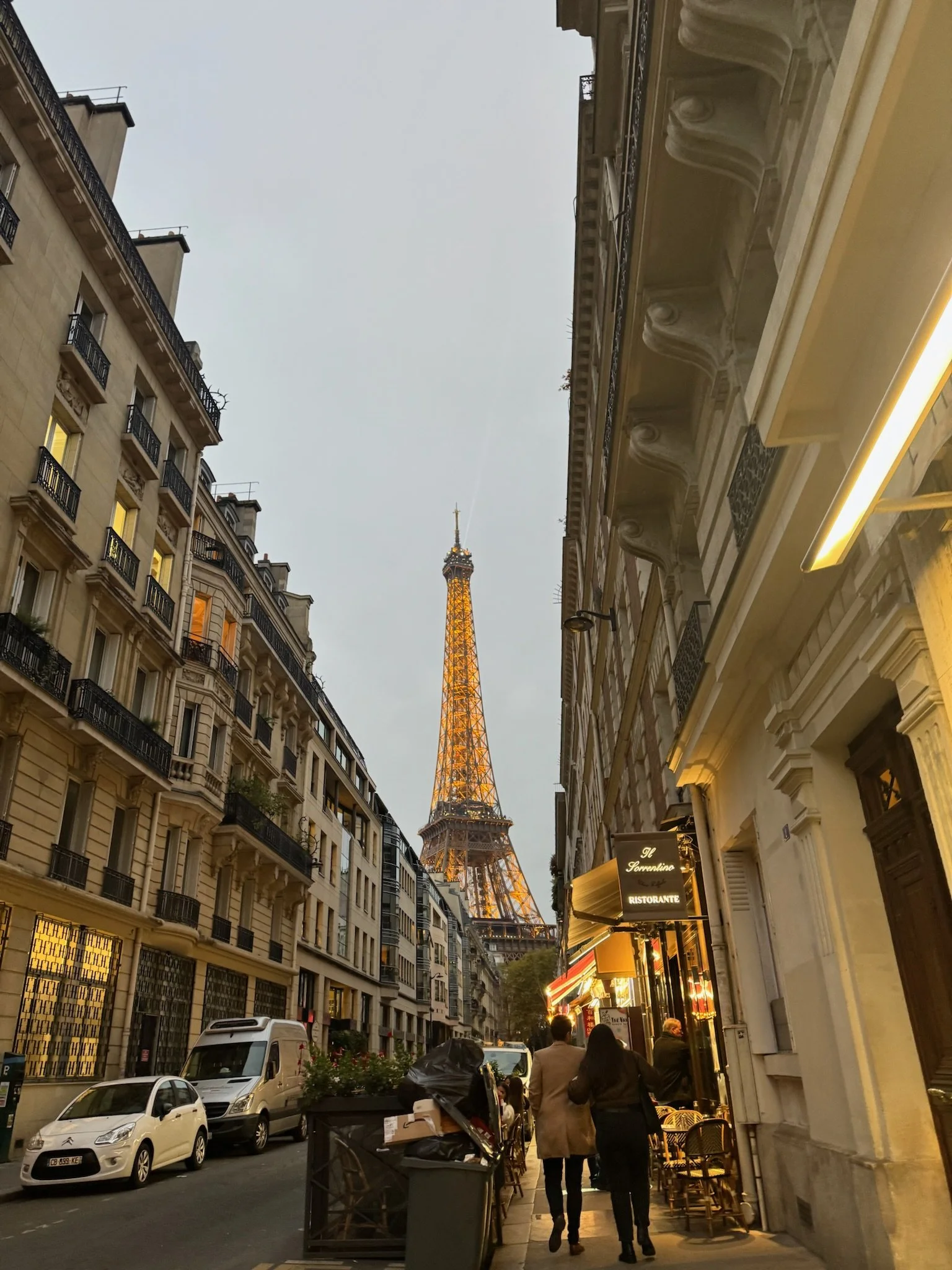
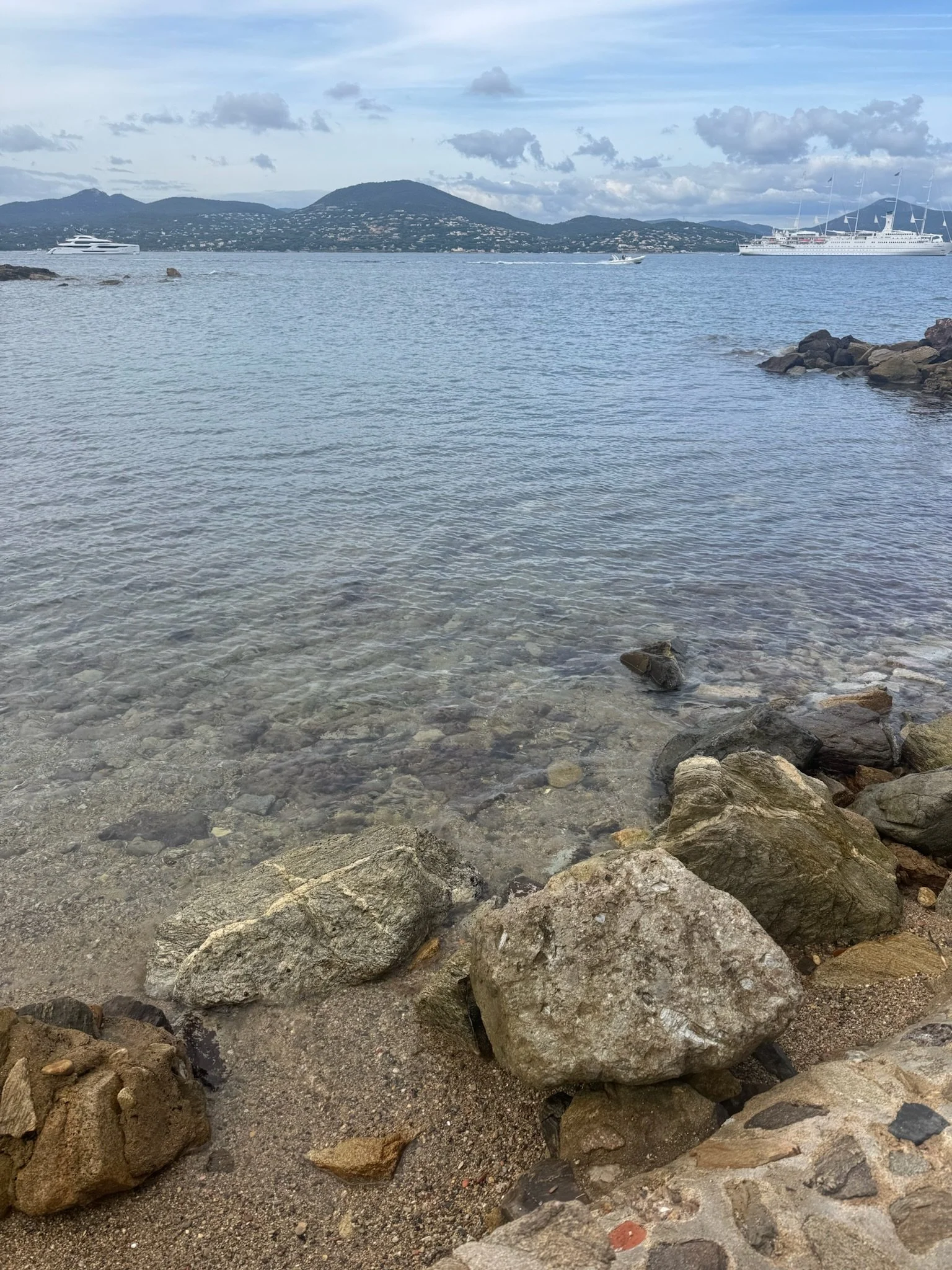
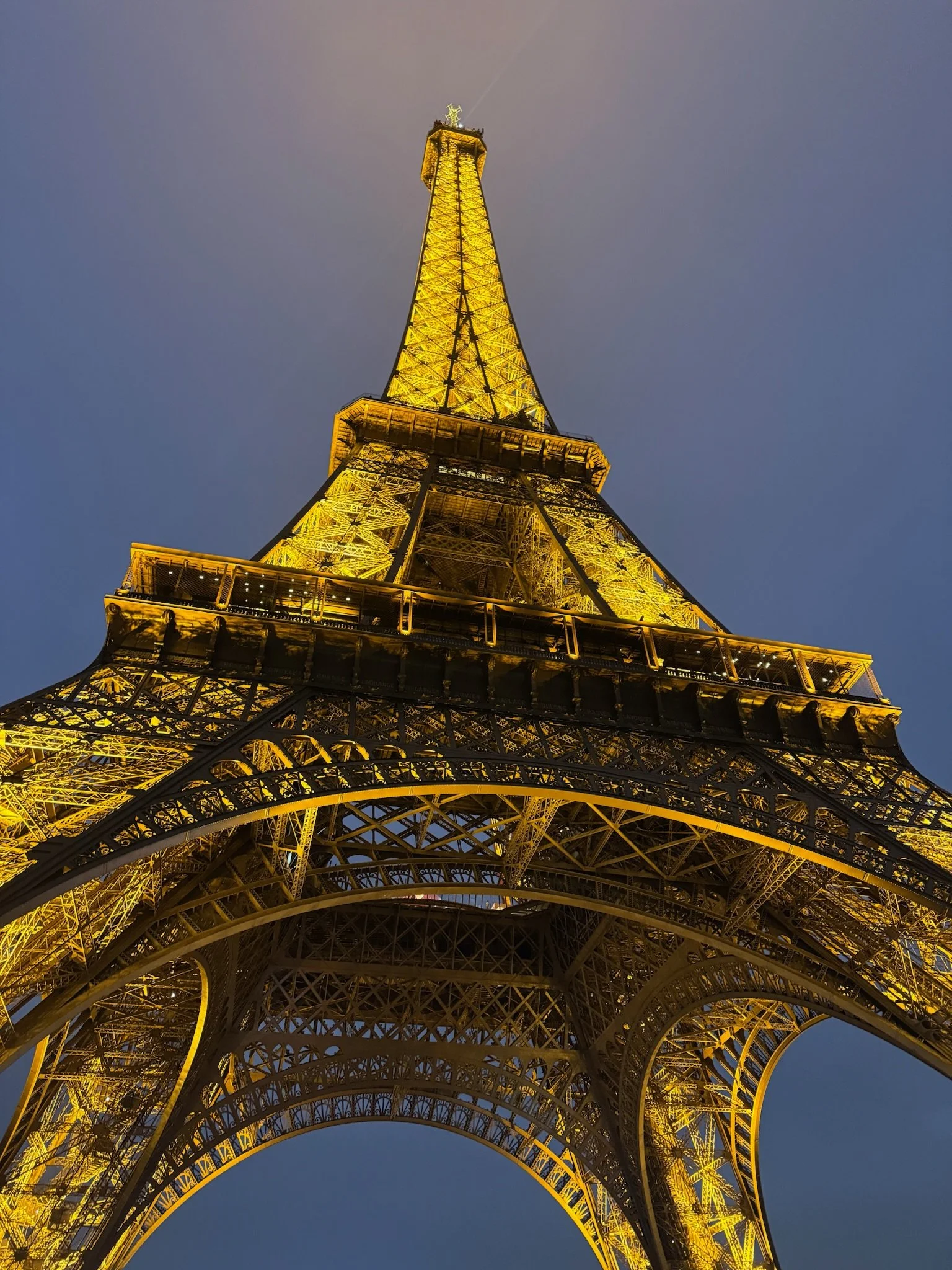
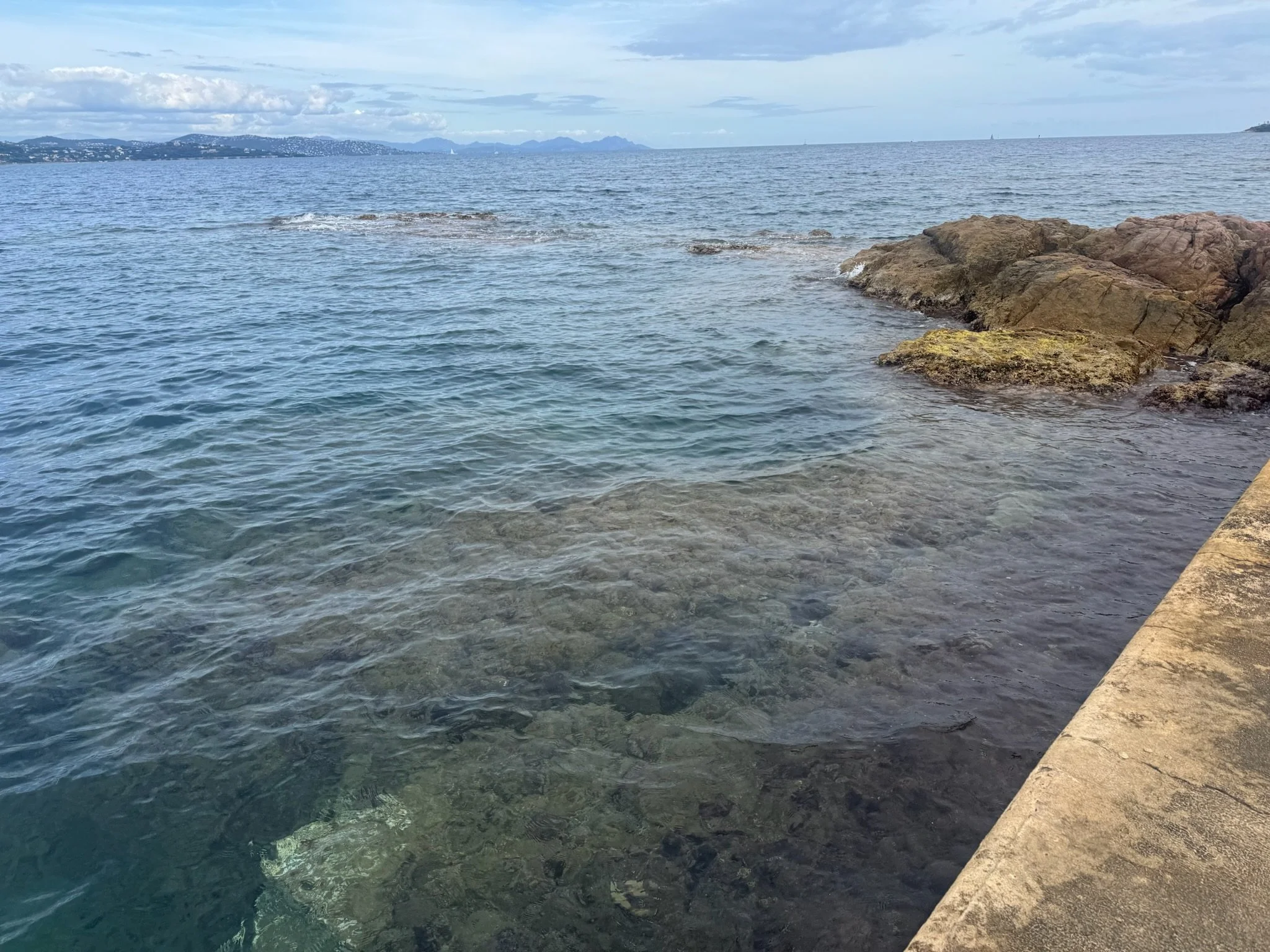
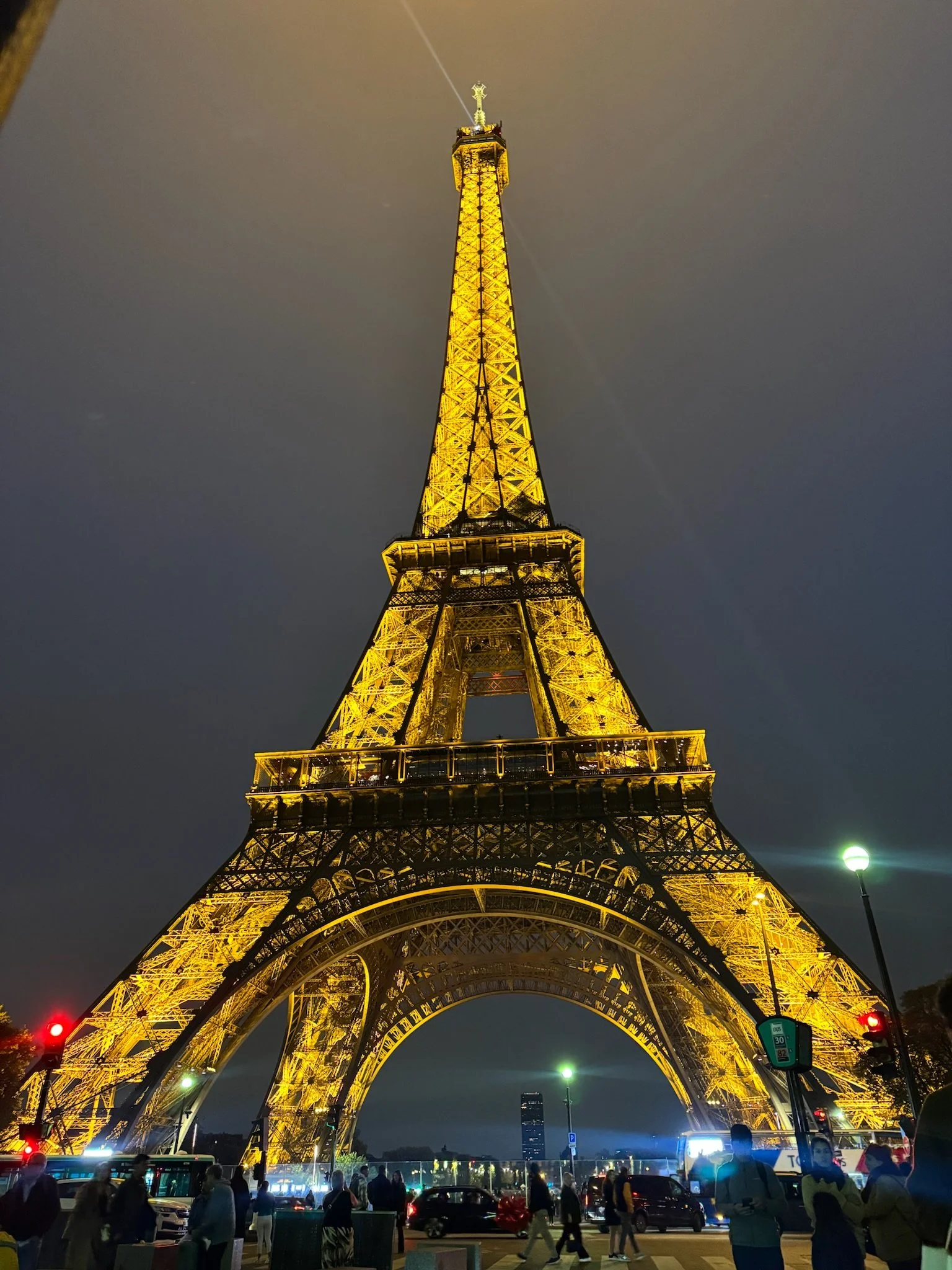
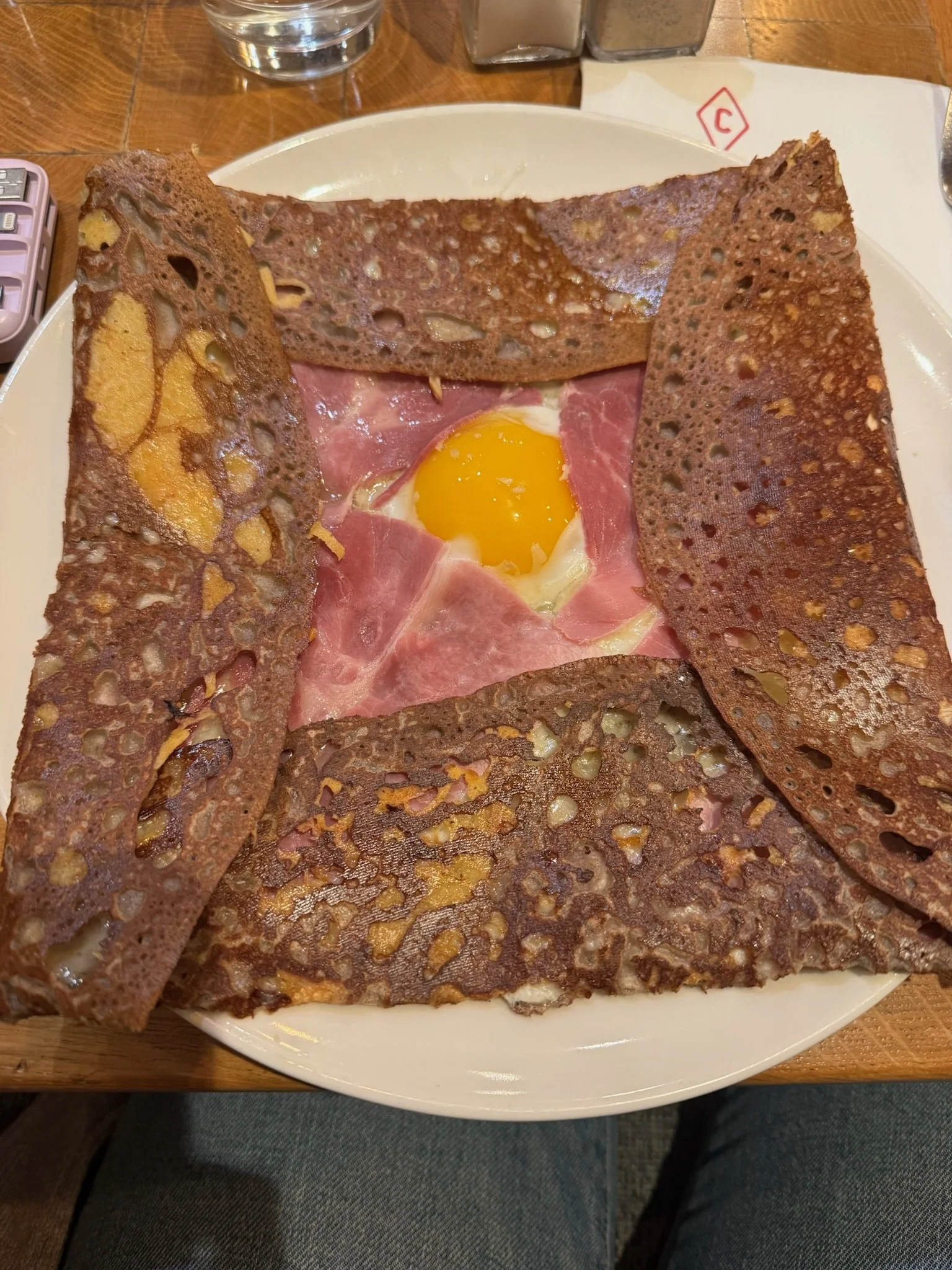
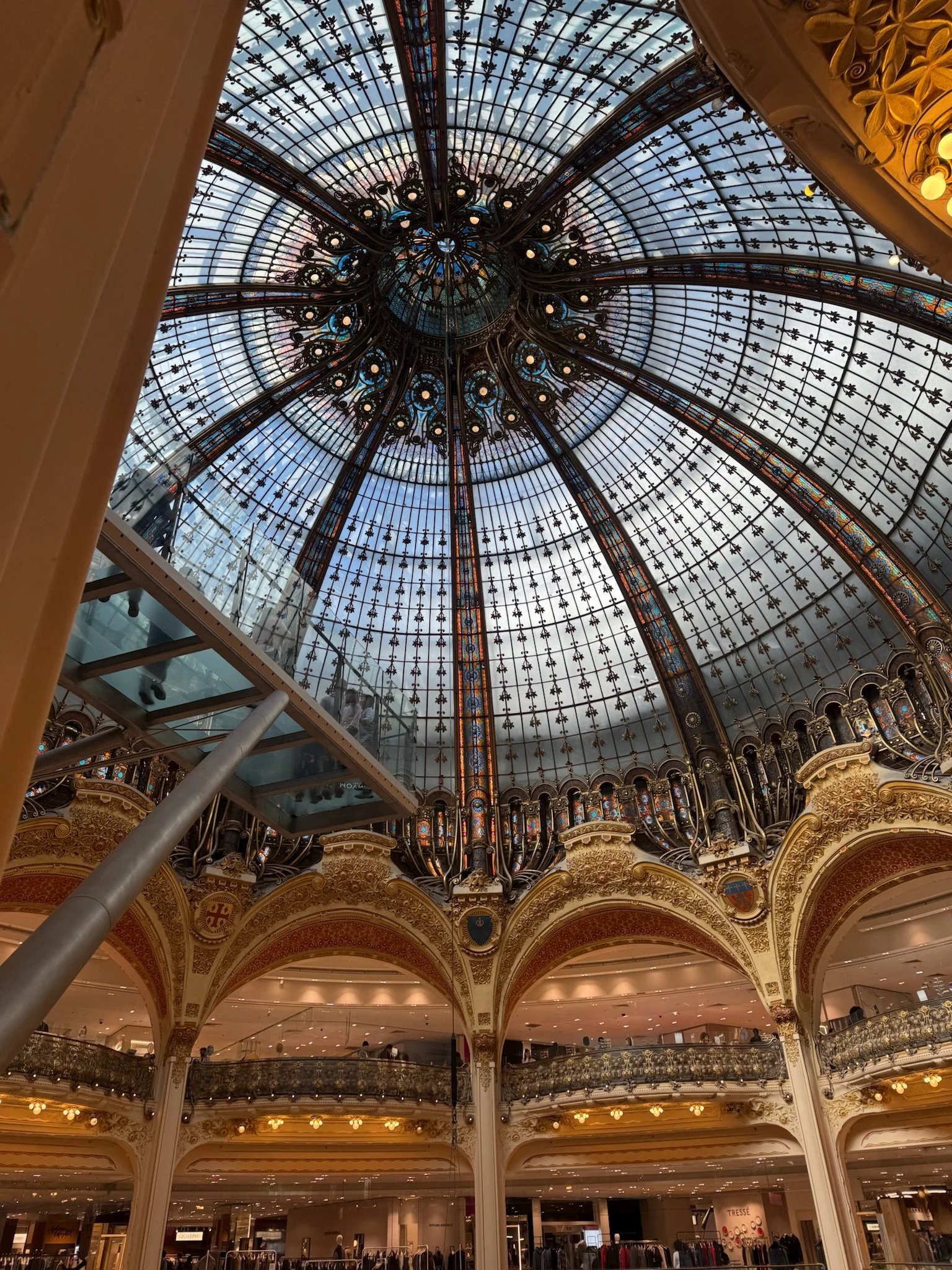
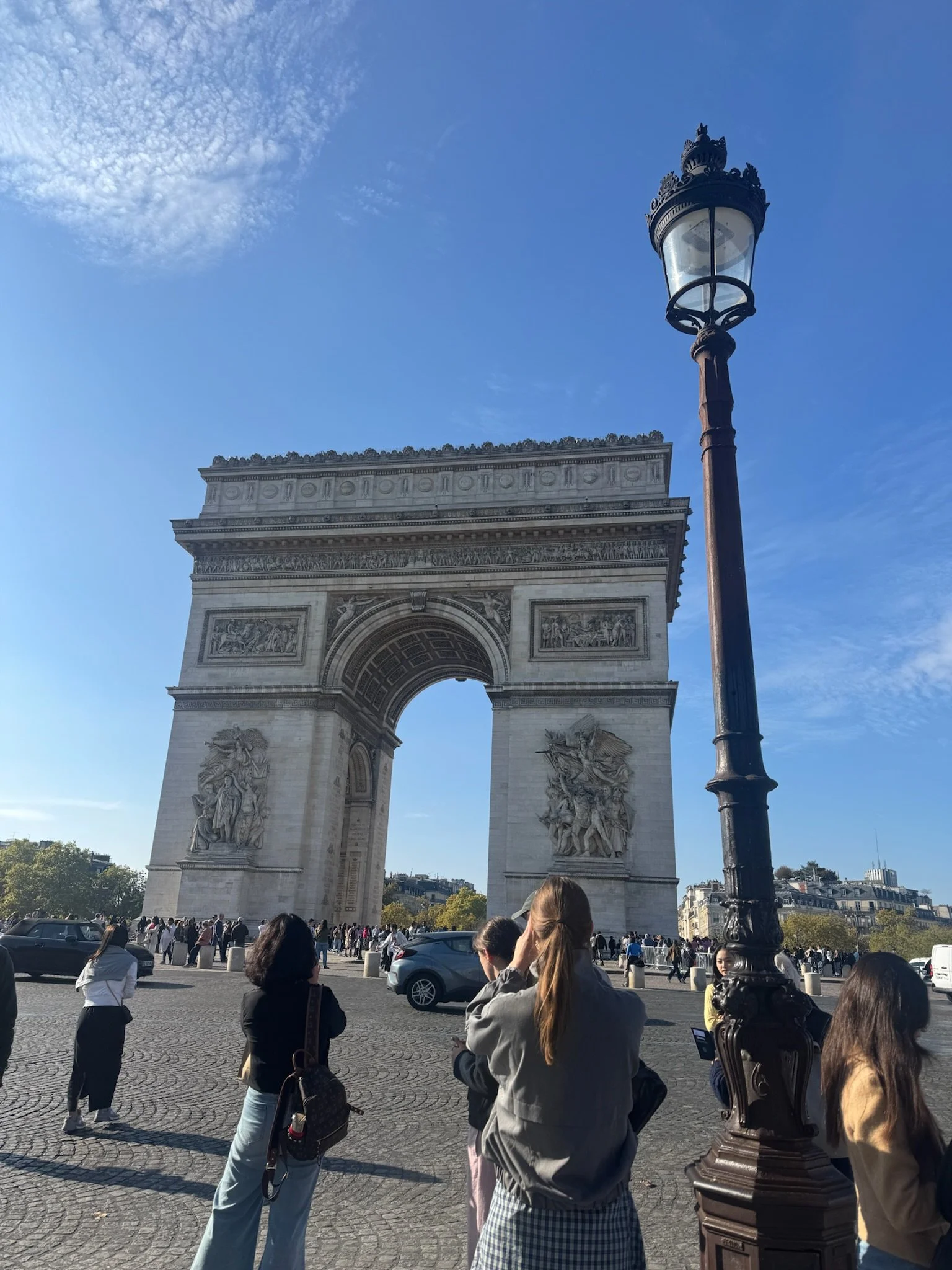
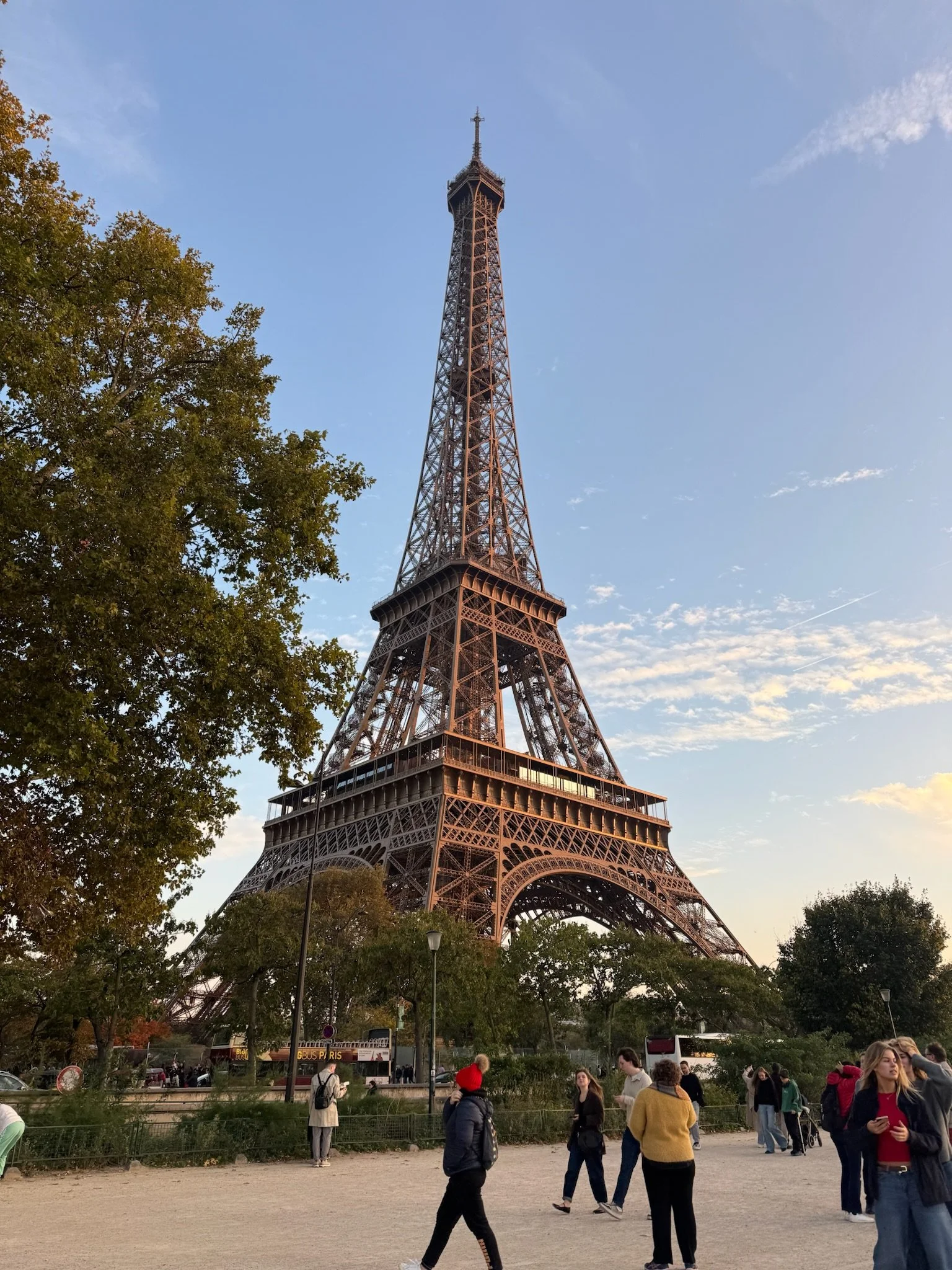
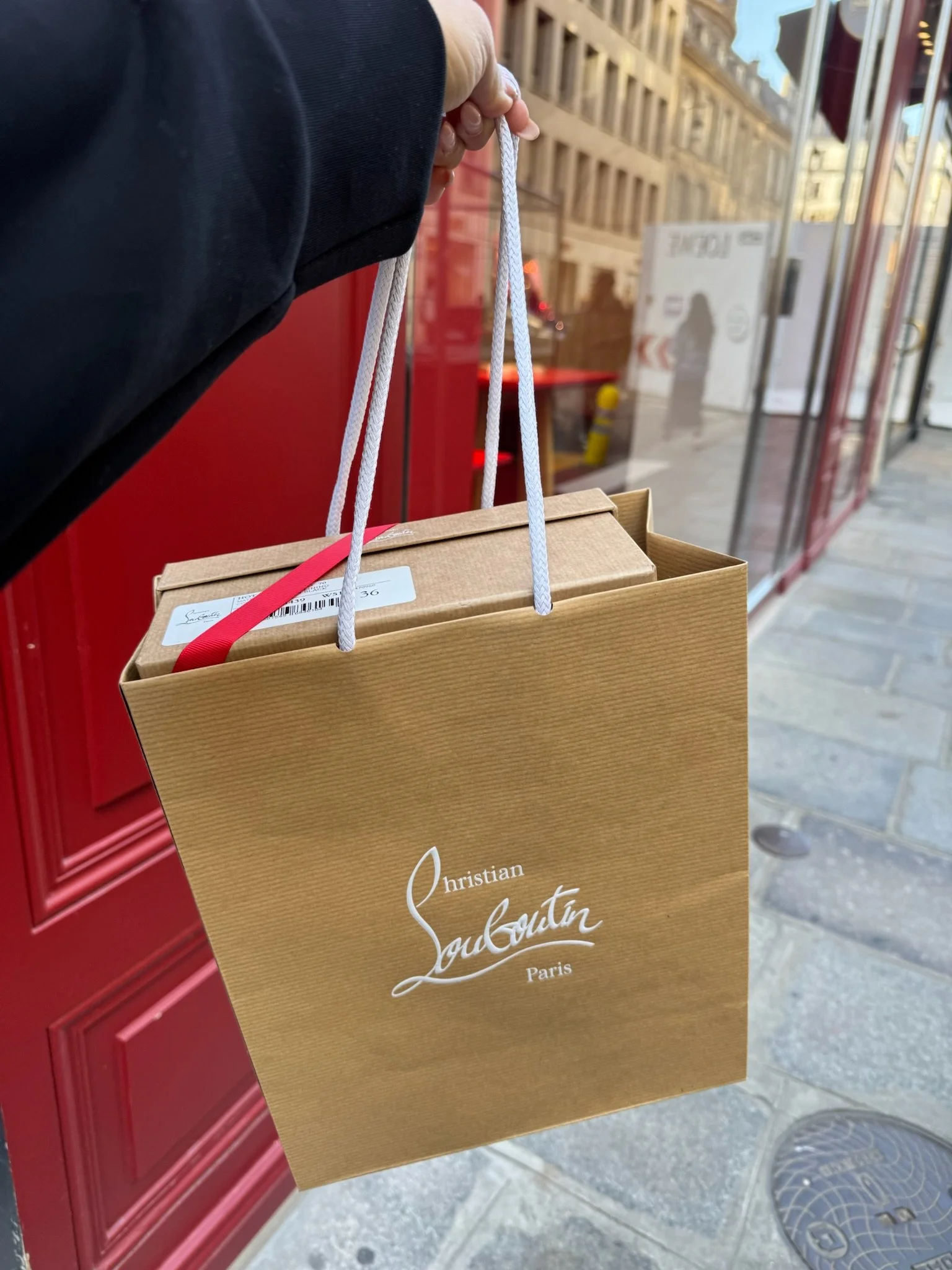
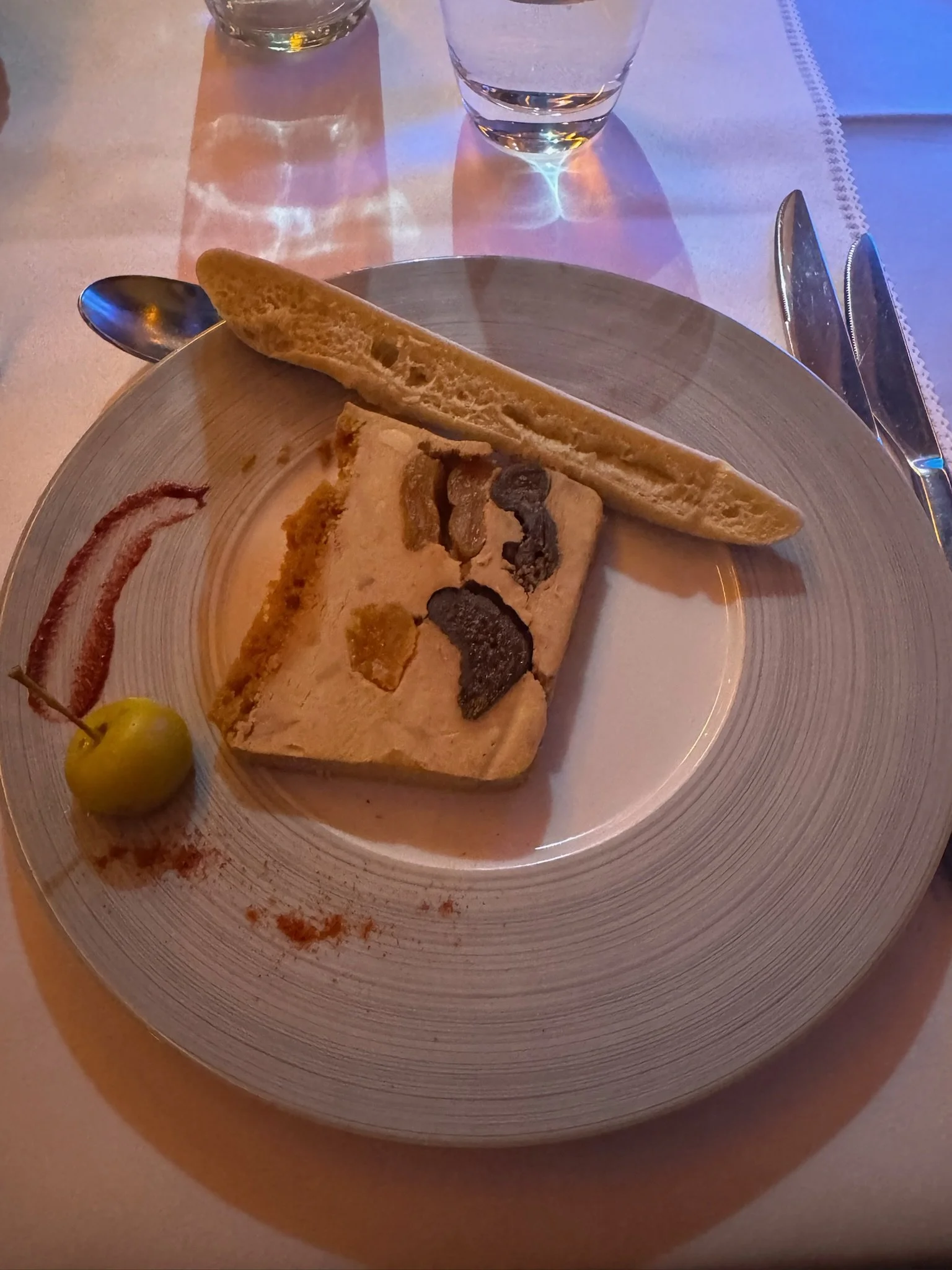
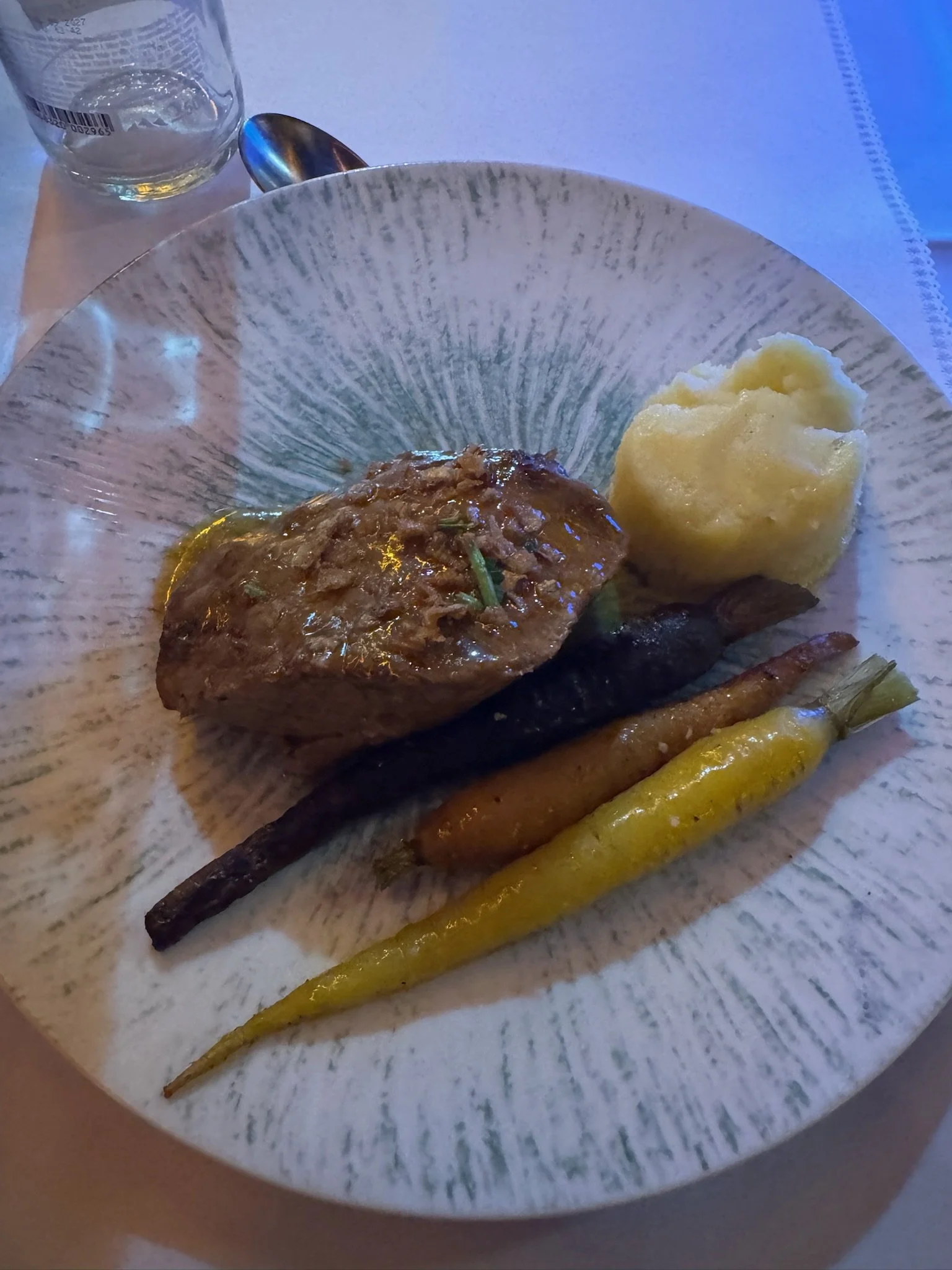
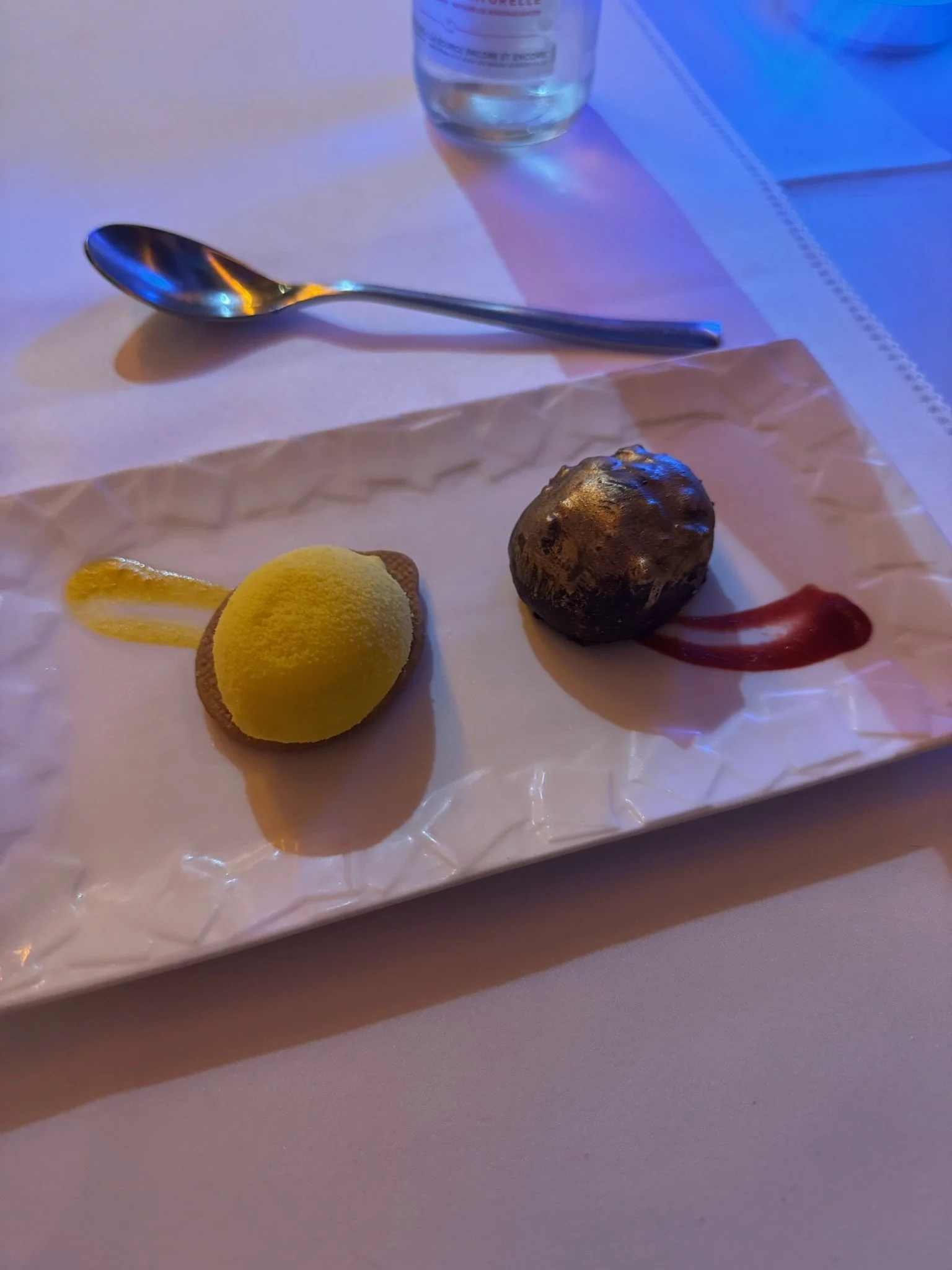
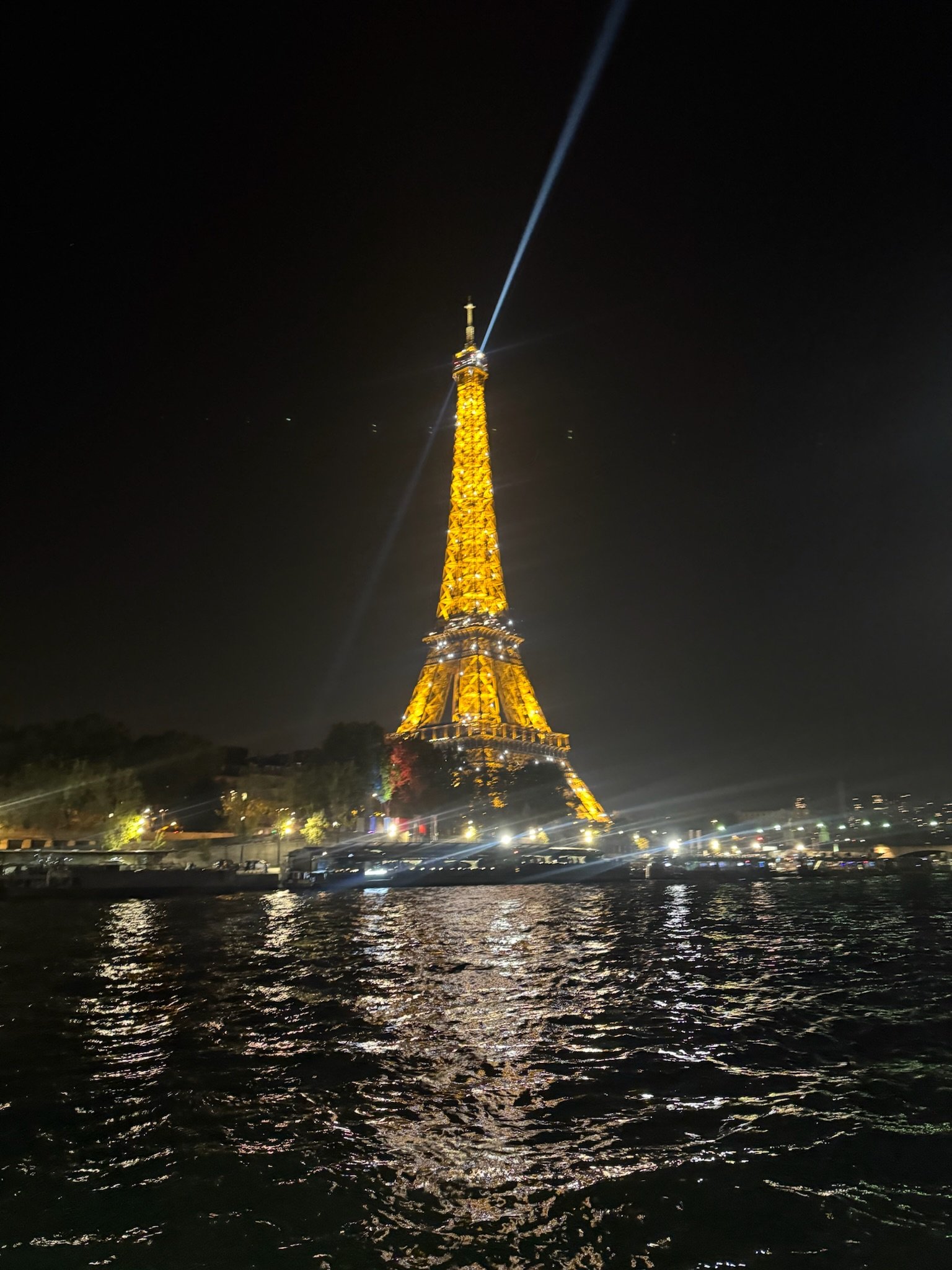
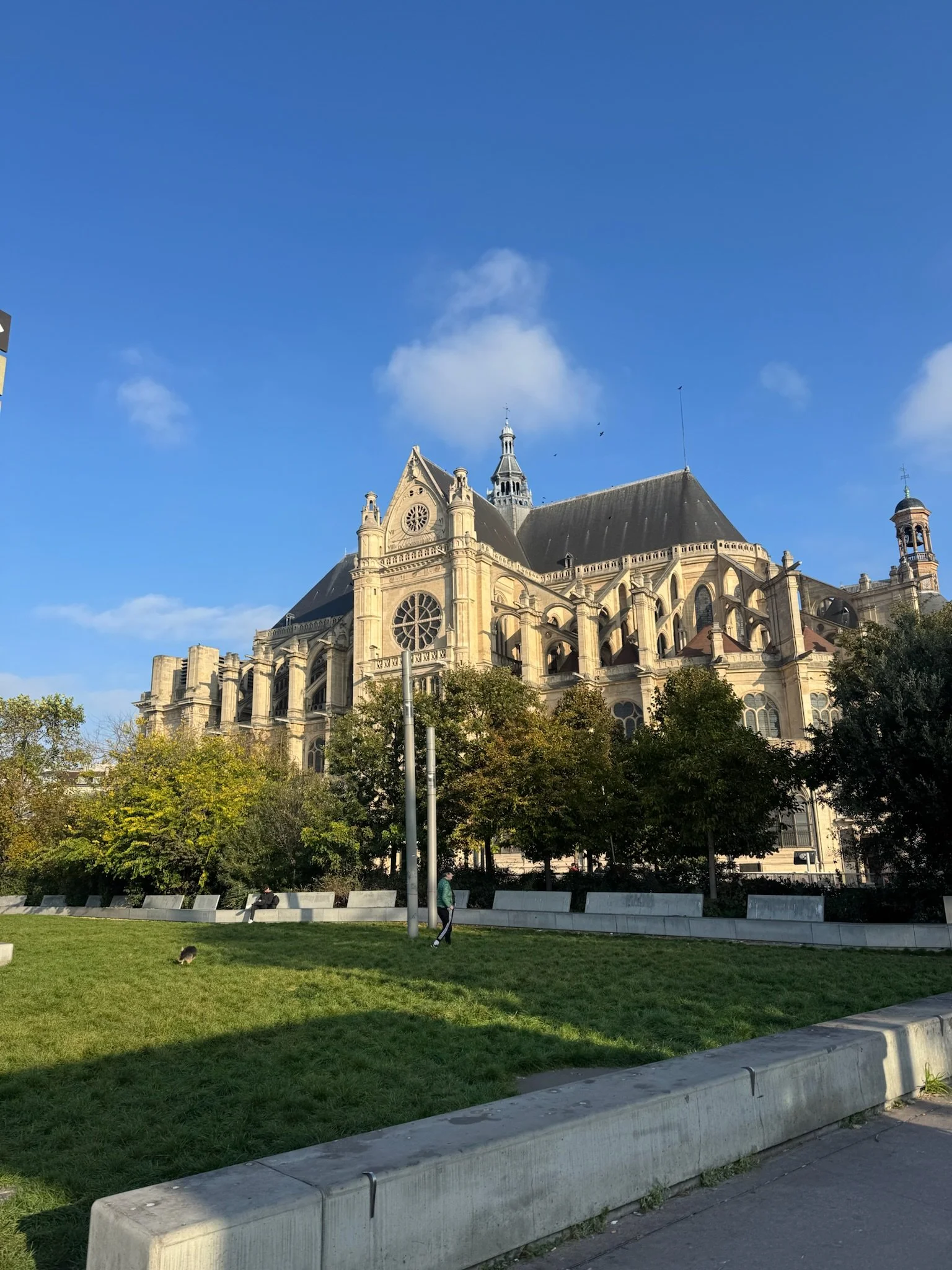
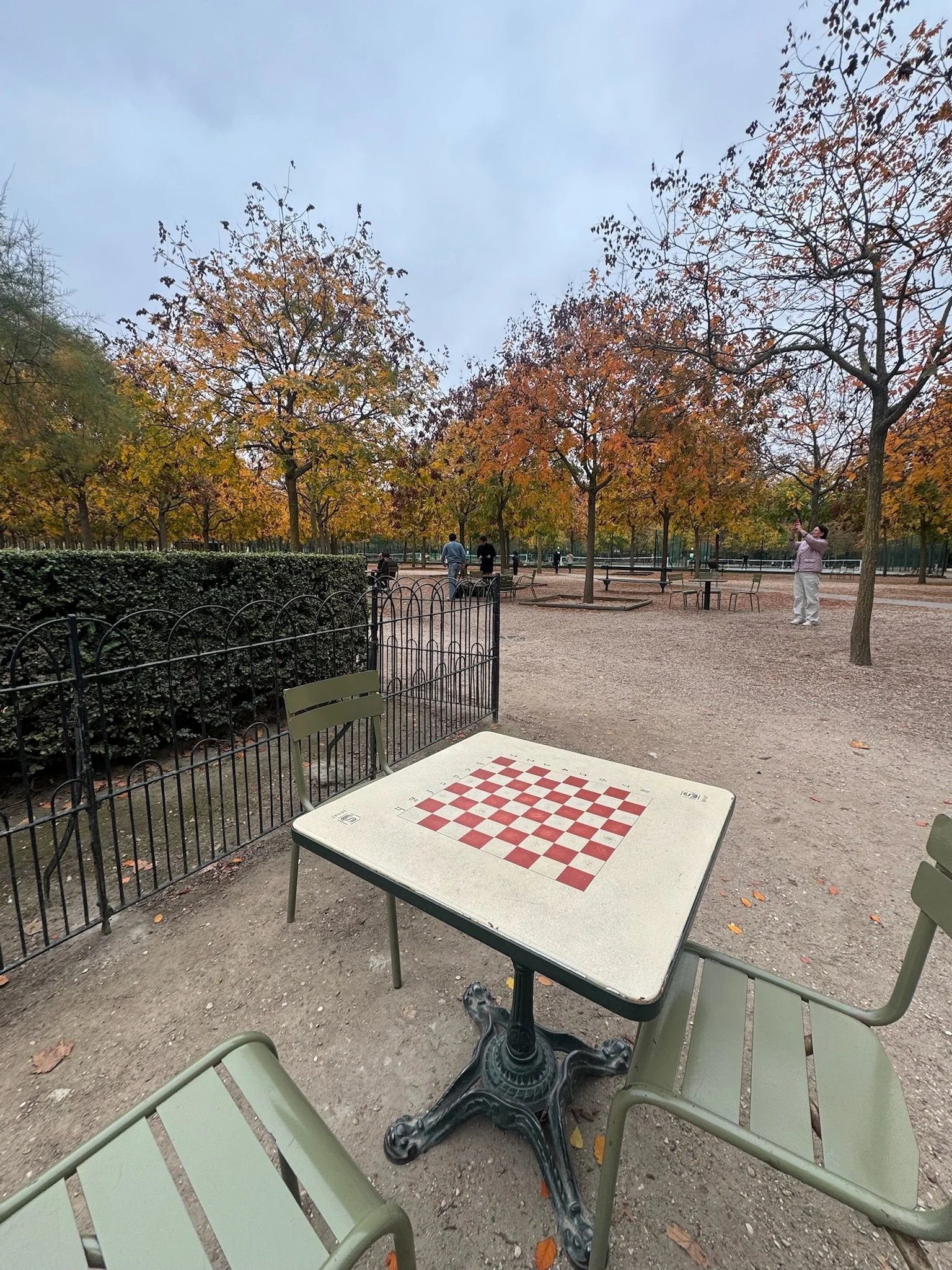

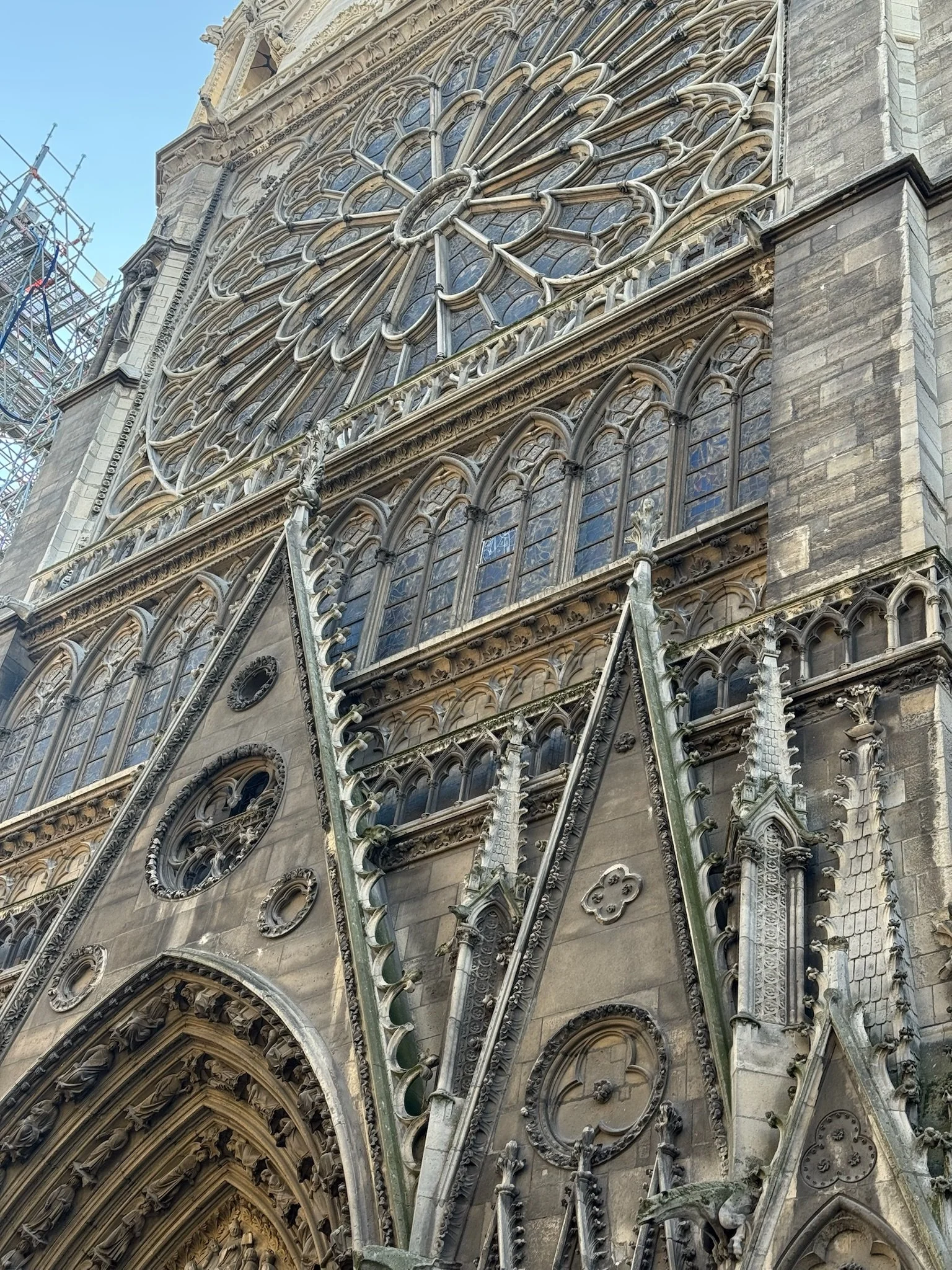
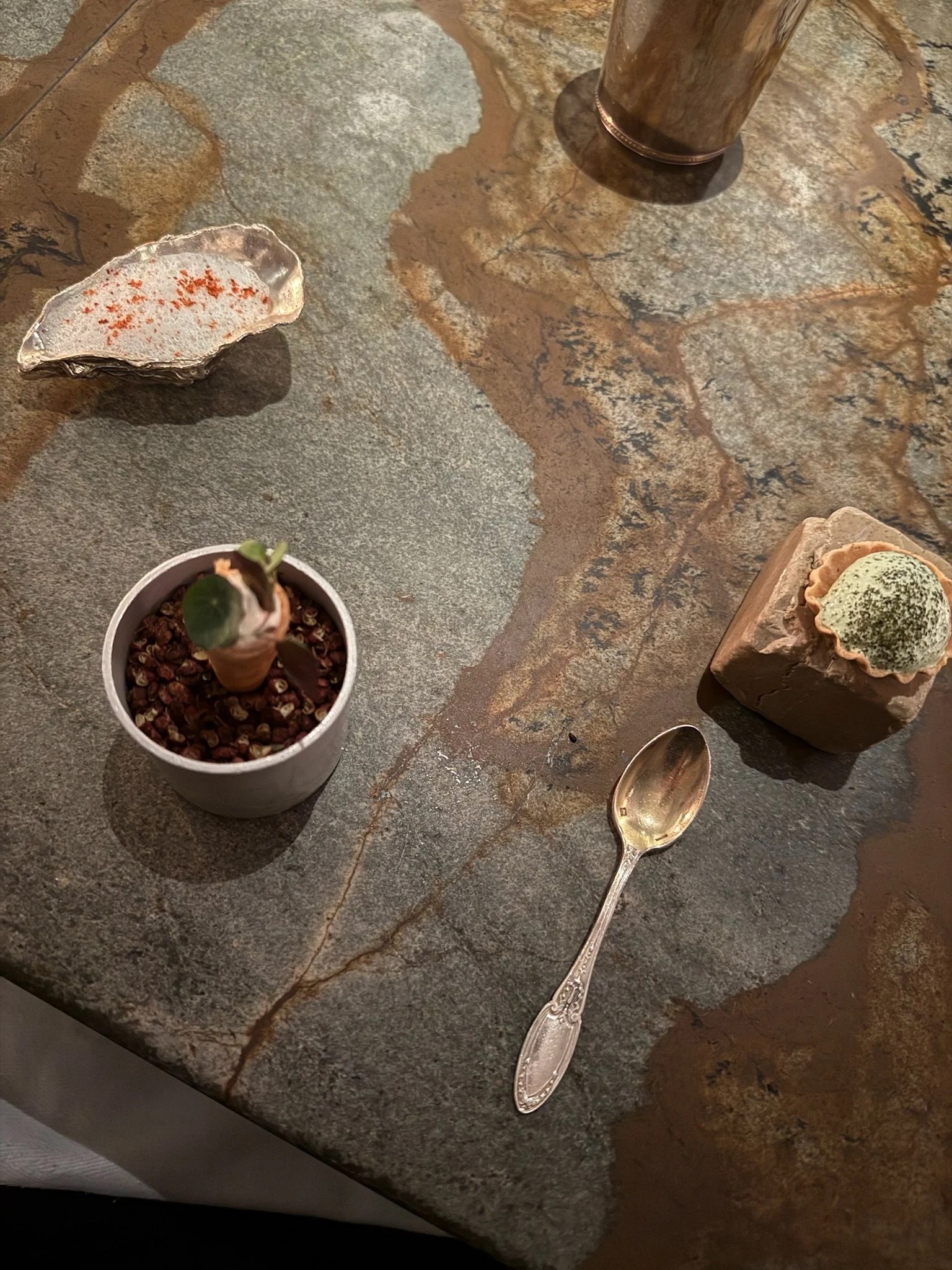
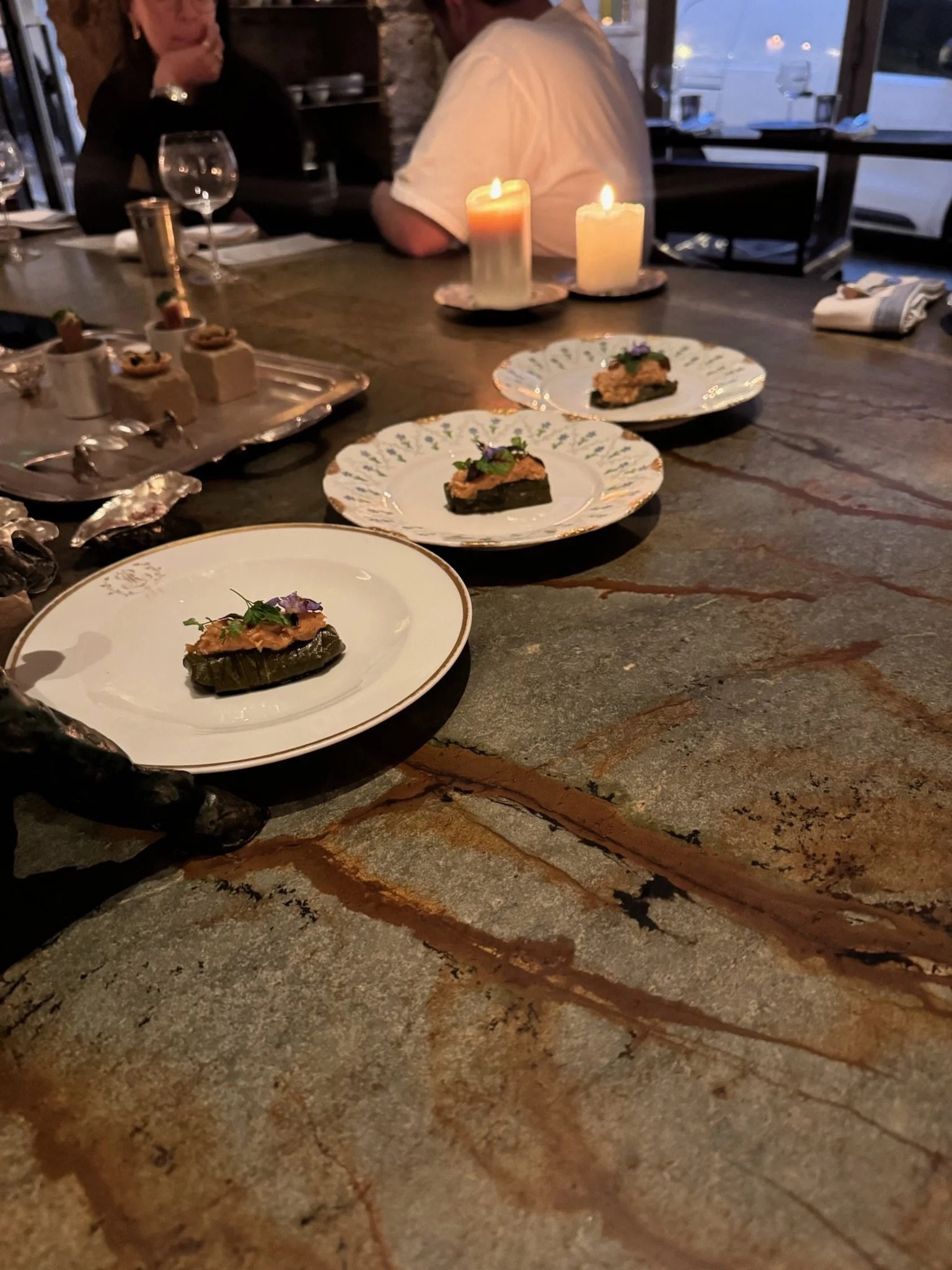
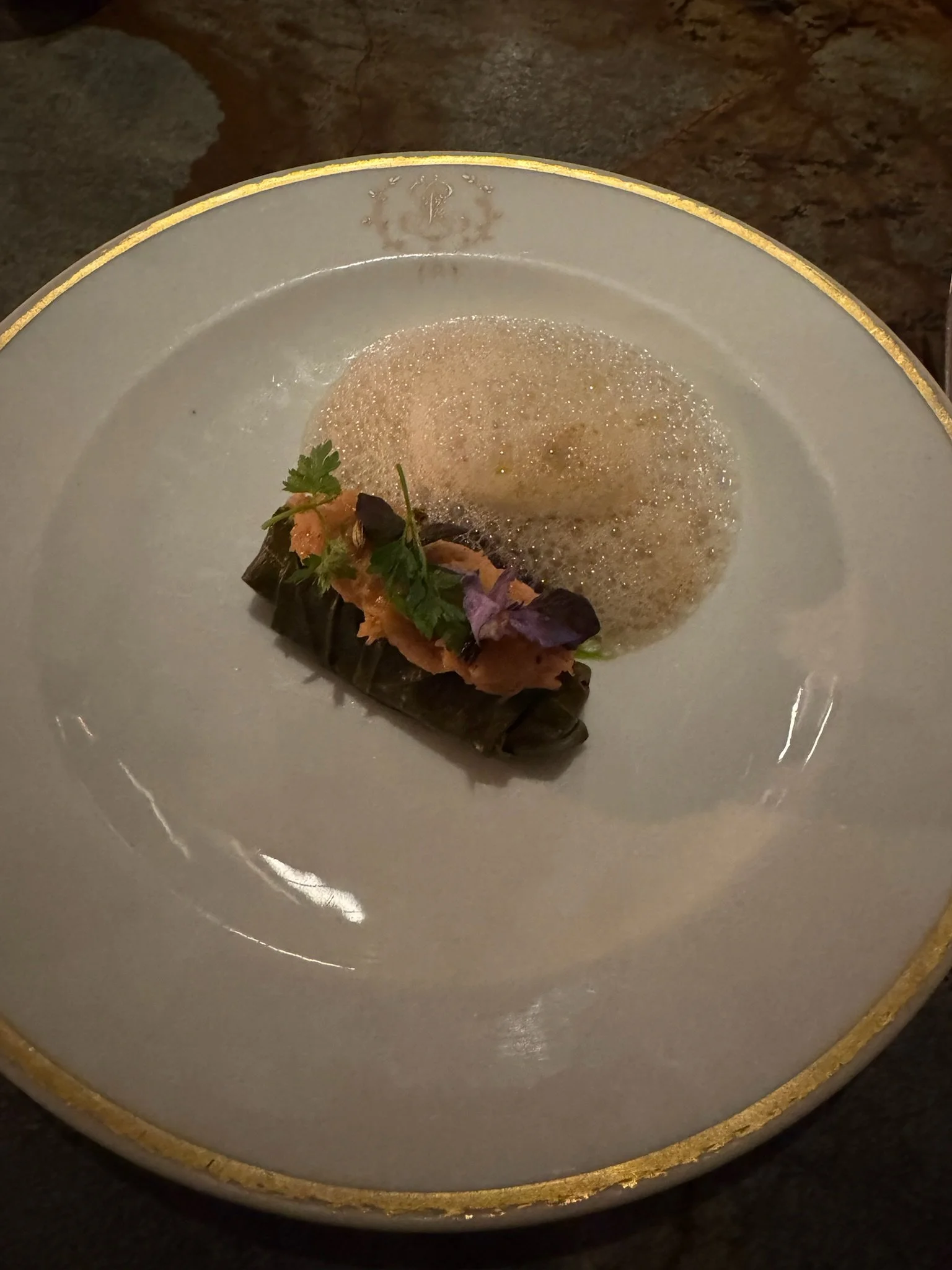
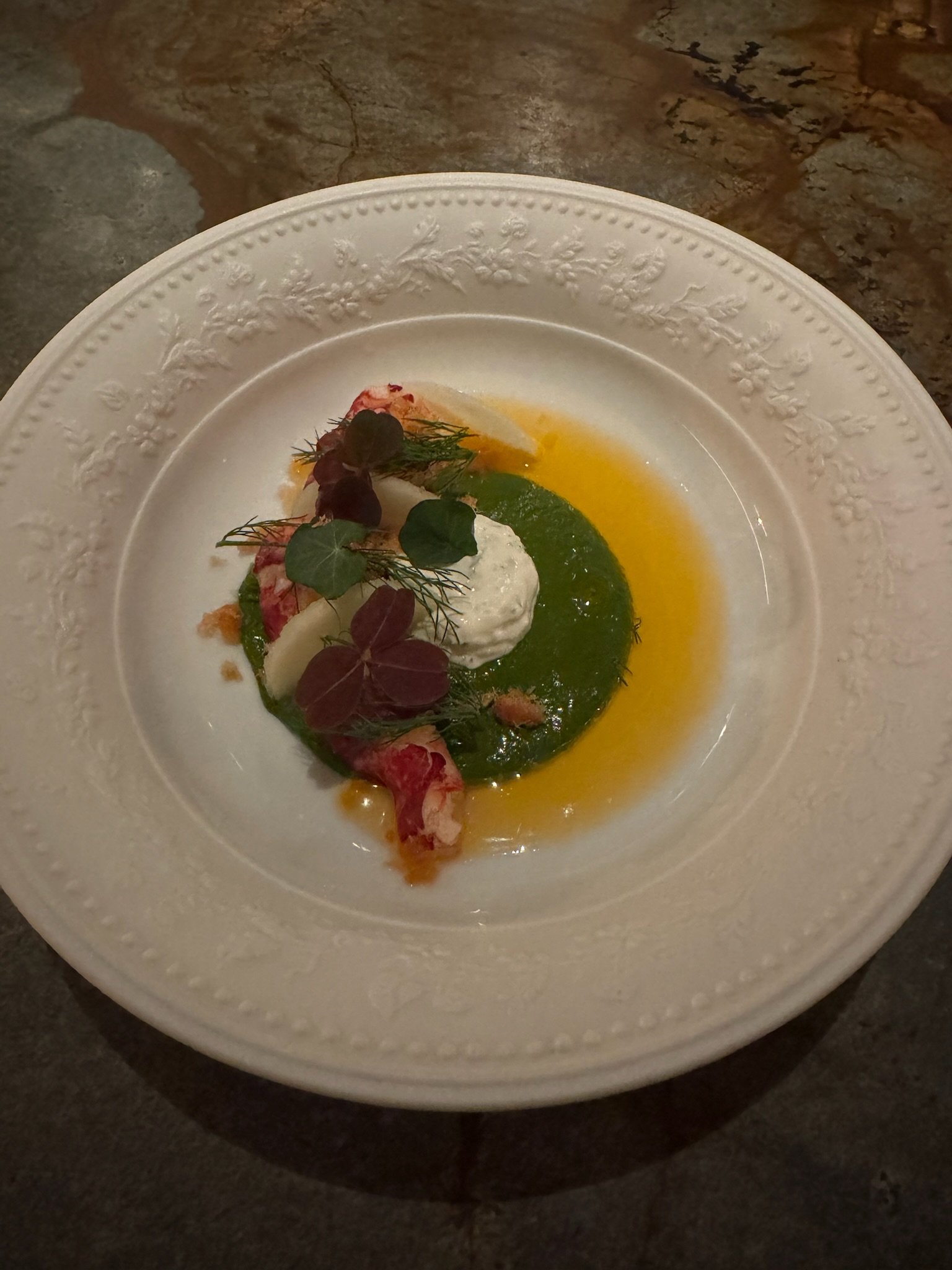
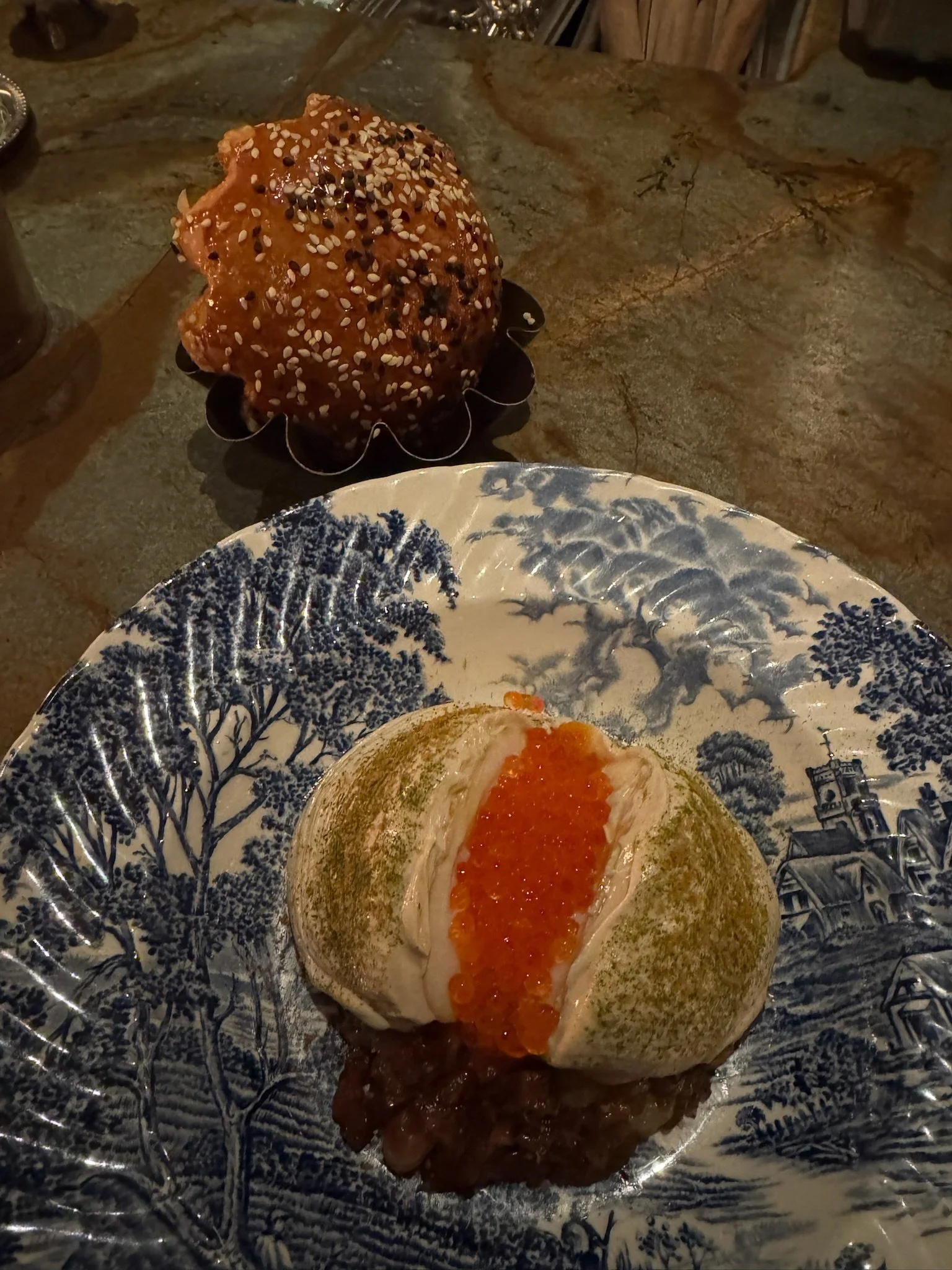
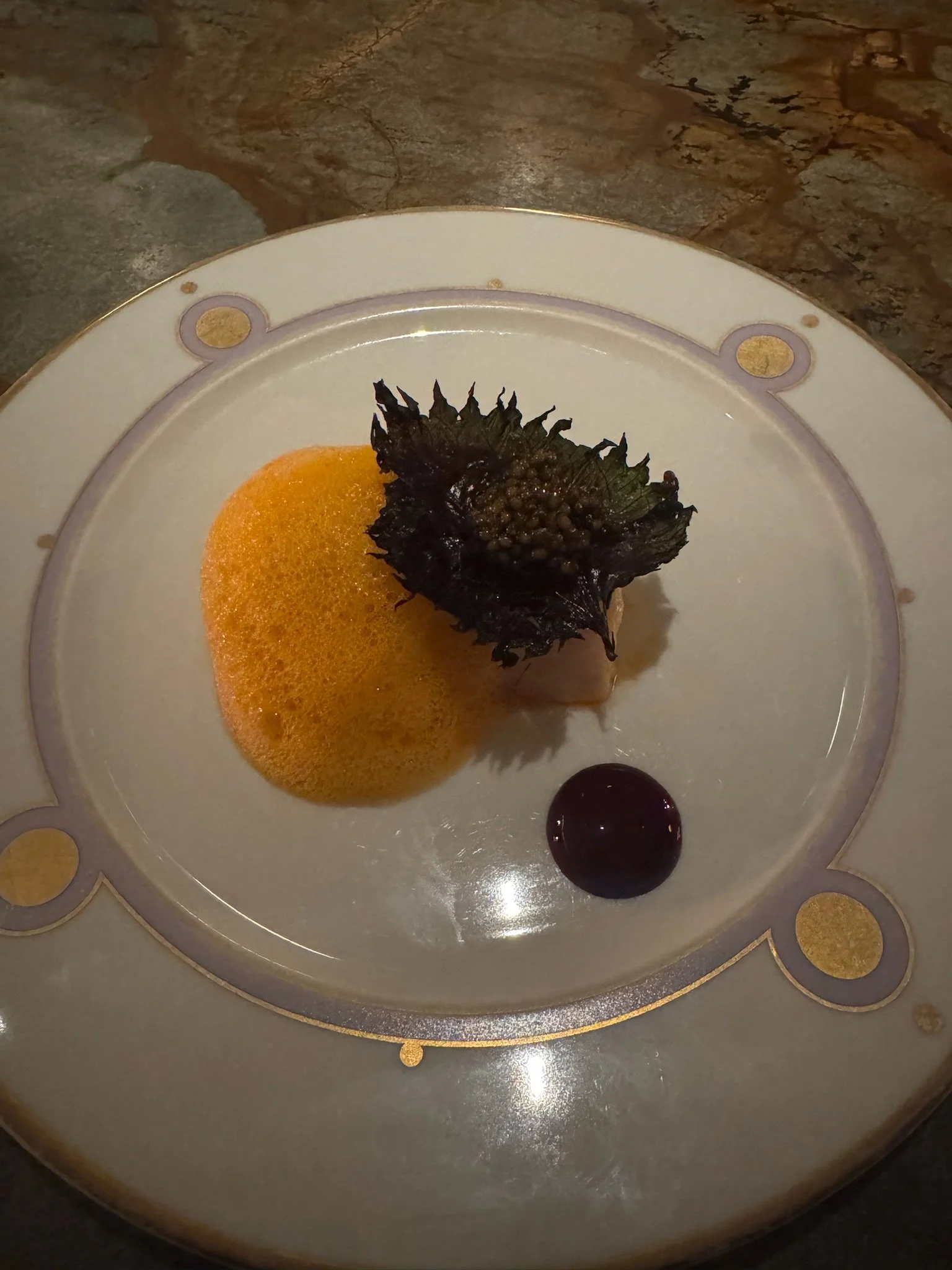
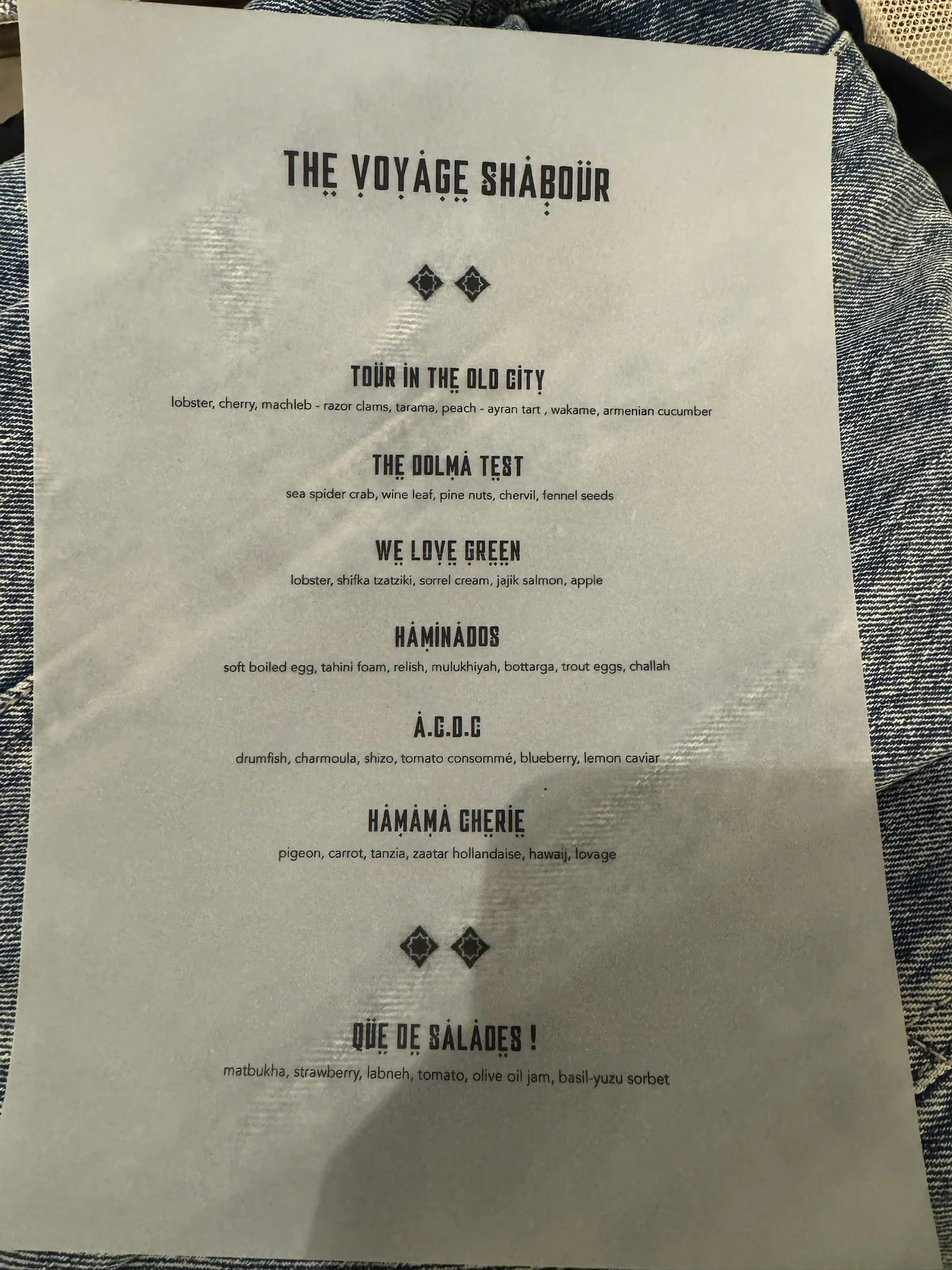
That's what thoughtful planning looks like when it's not about impressing anyone — it's about honesty and intention and knowing where to splurge. Paris was mid-October: Montmartre, the Seine, Aïda at the Opéra Bastille. And on her second-to-last night, Shabour — an Israeli restaurant in the heart of the city, one of the best tables in Paris. I'd titled it in her itinerary "A Soulful Homecoming." It was. Everything before it was built to make that landing feel earned.
Here's what I didn't expect: the Jewish thread that ran through the whole trip. Rachel is Jewish in the way that matters most — not performatively, but in her bones. "To me, Judaism is tradition and community," she told me. She carried that with her.
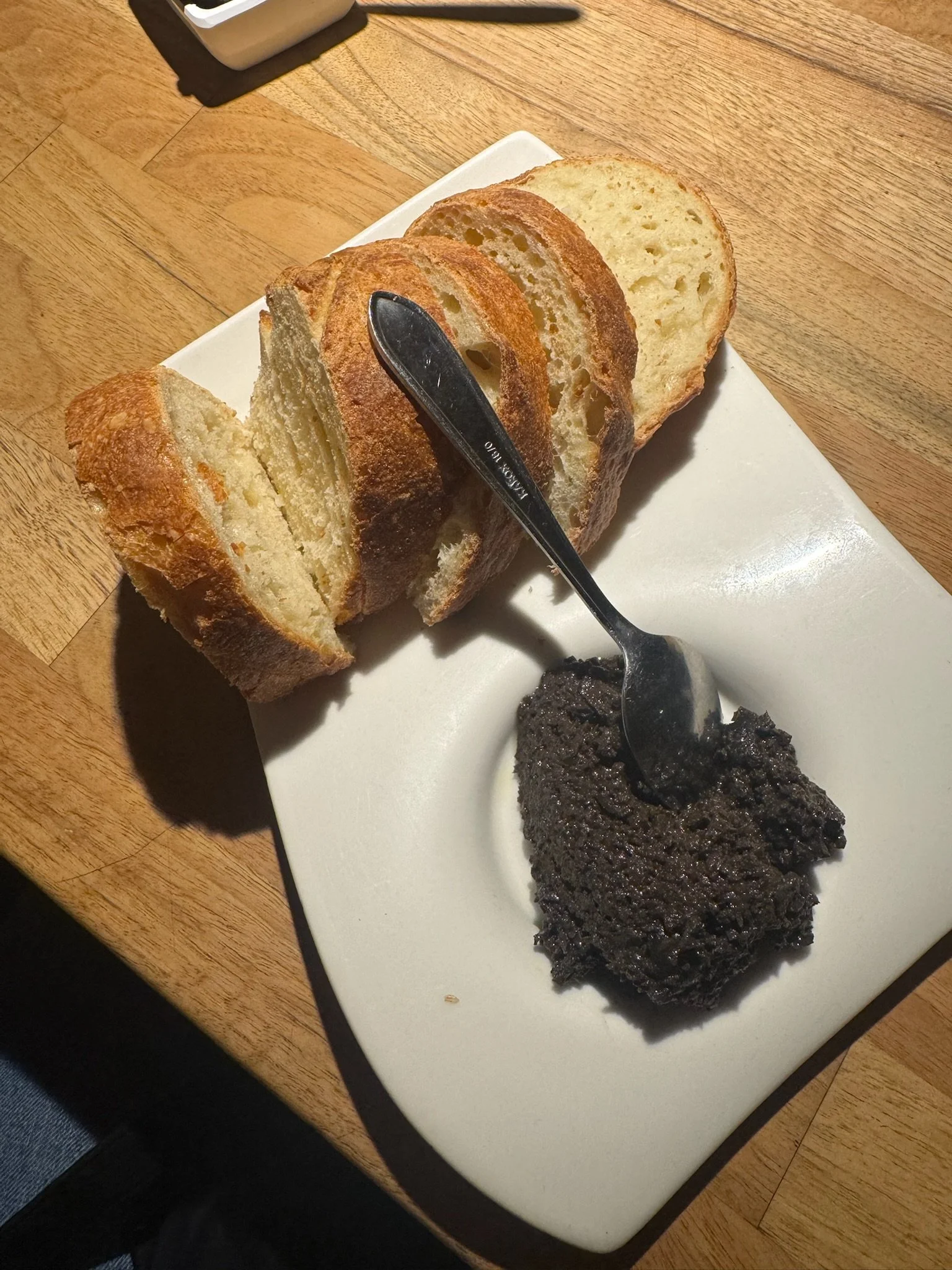
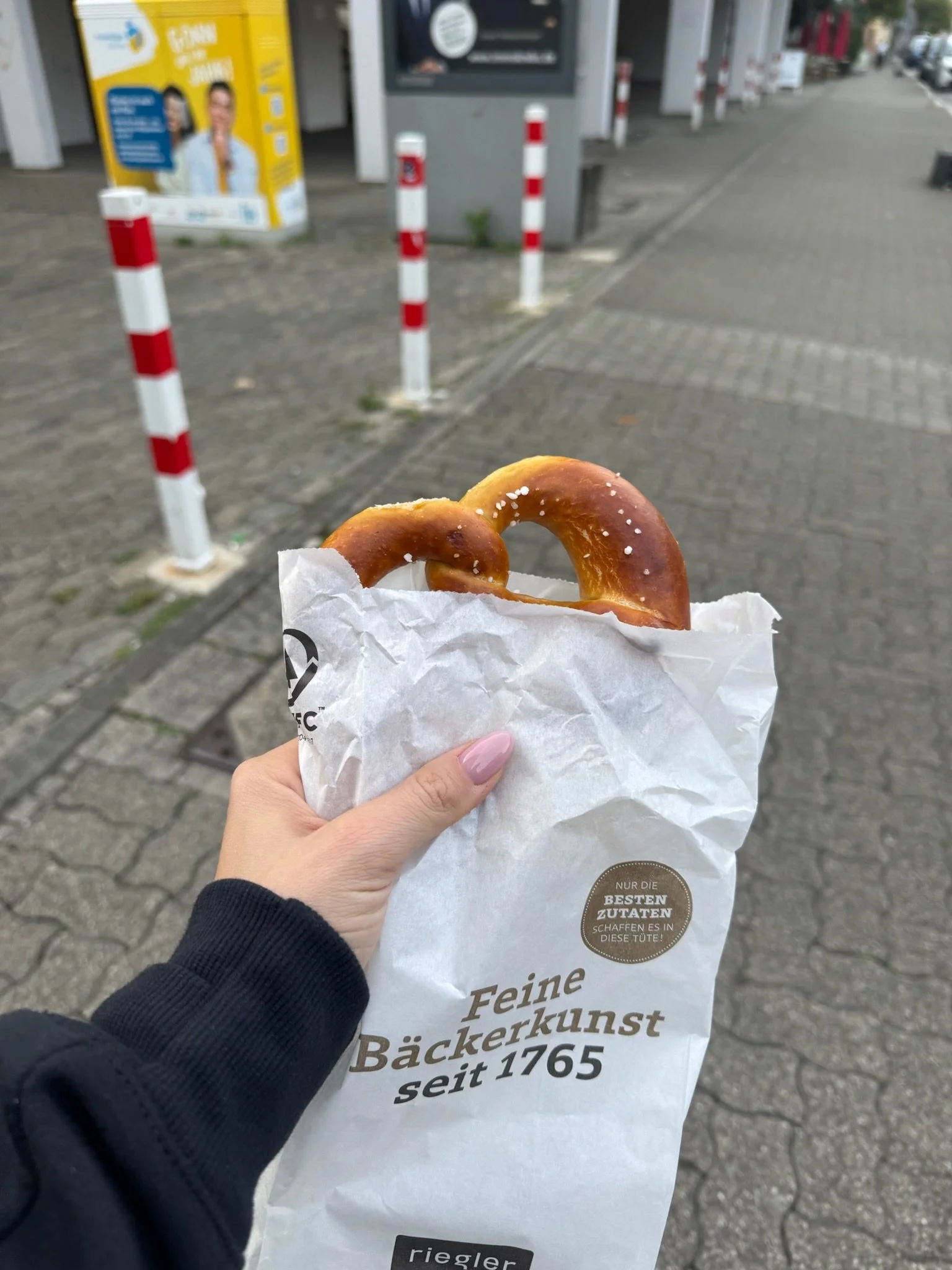
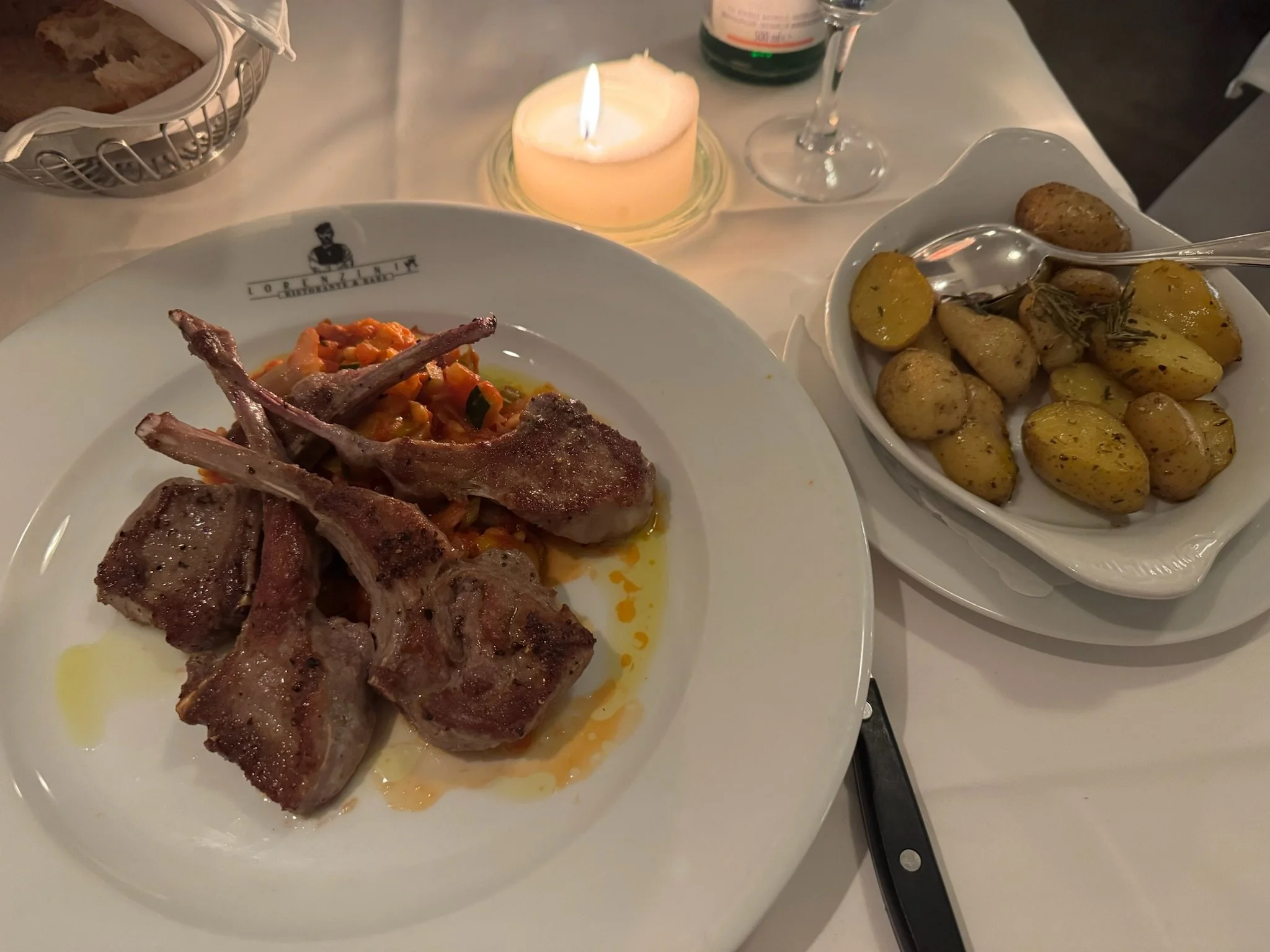
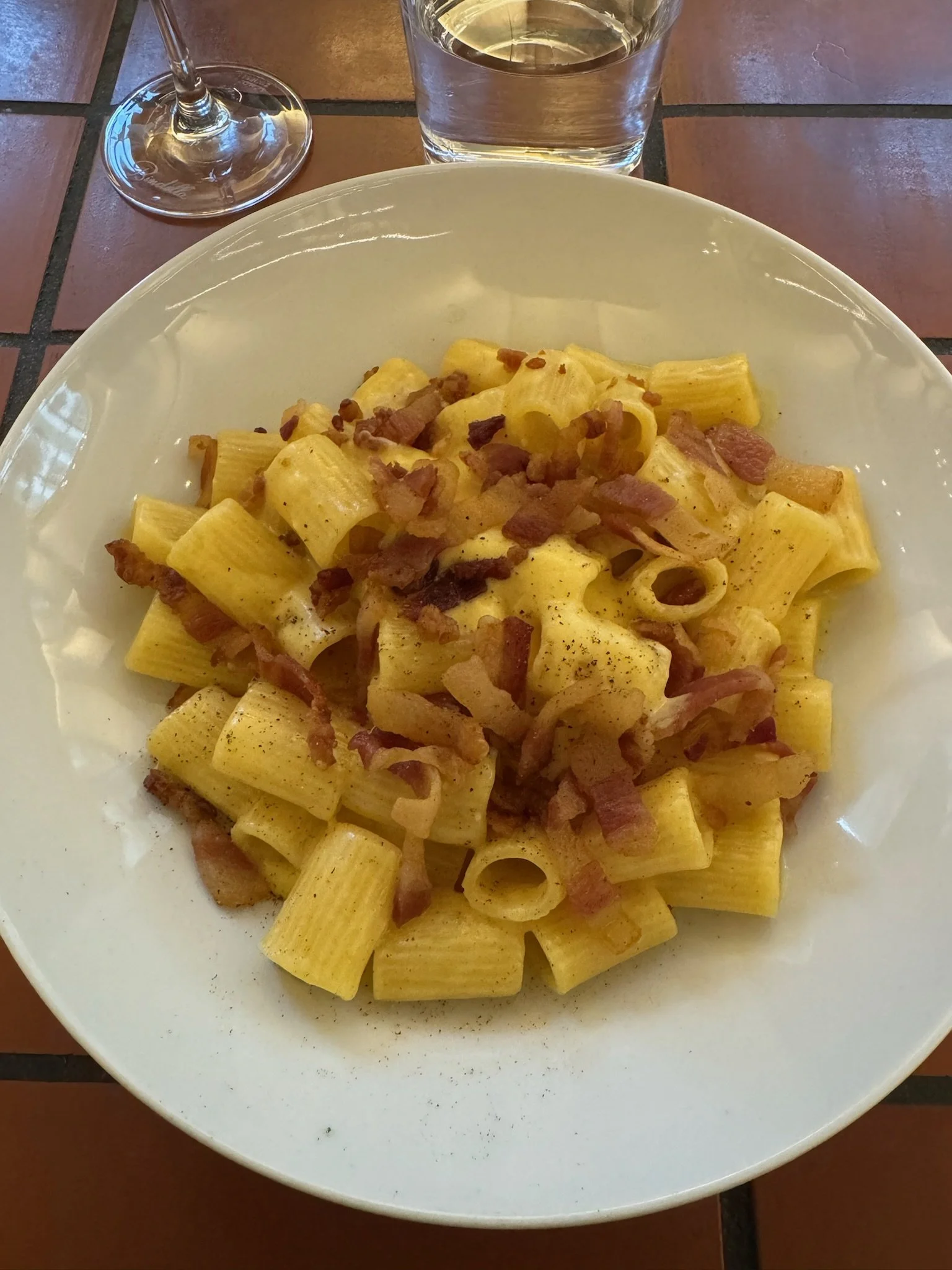
And somehow the itinerary kept meeting her there. She had told me early on: "My whole trip is around food, which I love, because that's Judaism in general. You're always gathered around food. That's the story of my life." She found bread in a Swiss bakery — not called challah, but braided and golden in every window. She sent a photo of a synagogue in Athens with no explanation needed. She let Rosh Hashana pass over her in Santorini the way the holiday sometimes does — felt, not formally observed. And then Rome, and the Jewish Ghetto, and the food tour as the holiday began.
Her grandfather had died earlier that year. The holidays were the first without him. She wasn't looking for a synagogue service. She was looking for a thread — something that connected her to him, to her people, to herself, in the middle of a continent where no one knew her name. The itinerary gave her the geography. The rest she found on her own.
She came back from that trip and she called me her "soul mate travel agent." Not in a casual way. Like she'd genuinely found something she didn't know she was looking for. And what she found wasn't the destinations — Athens is Athens, Paris is Paris, they exist for everyone. What she found was the permission to move through them as herself, without apology, without rushing, without performing recovery for anyone else's timeline.
The real work was what you don't see. It was me, in my robe at 1:41 AM Austin time, dropping Easter eggs into her next morning because of something she'd texted me from dinner. It was reaching out to contacts in Athens and saying, "I have a client coming through. She's a solo woman traveler. She's important. Can you think of something for her?" It was understanding that what a woman traveling alone actually needs isn't a bodyguard or a babysitter. She needs a well-built frame. Properties with attentive staff. Transfers she doesn't have to negotiate herself. Enough structure that she feels held, and enough space that she feels free.
Solo female travel done right isn't about managing risk. It's about removing friction so the experience can be fully hers. The difference between a solo trip that feels isolating and one that feels like the most alive you've ever been is almost always in the planning — and almost always invisible once you're there.
Rachel's trip did that. Before she left, she told me she'd lived in a bubble her whole life. She came back knowing she never had to again.
What would a trip look like if the only person you had to impress was yourself?
Ready to build a trip around who you're becoming? Let's talk.