What Is River Cruising (And Is It Right for You)?
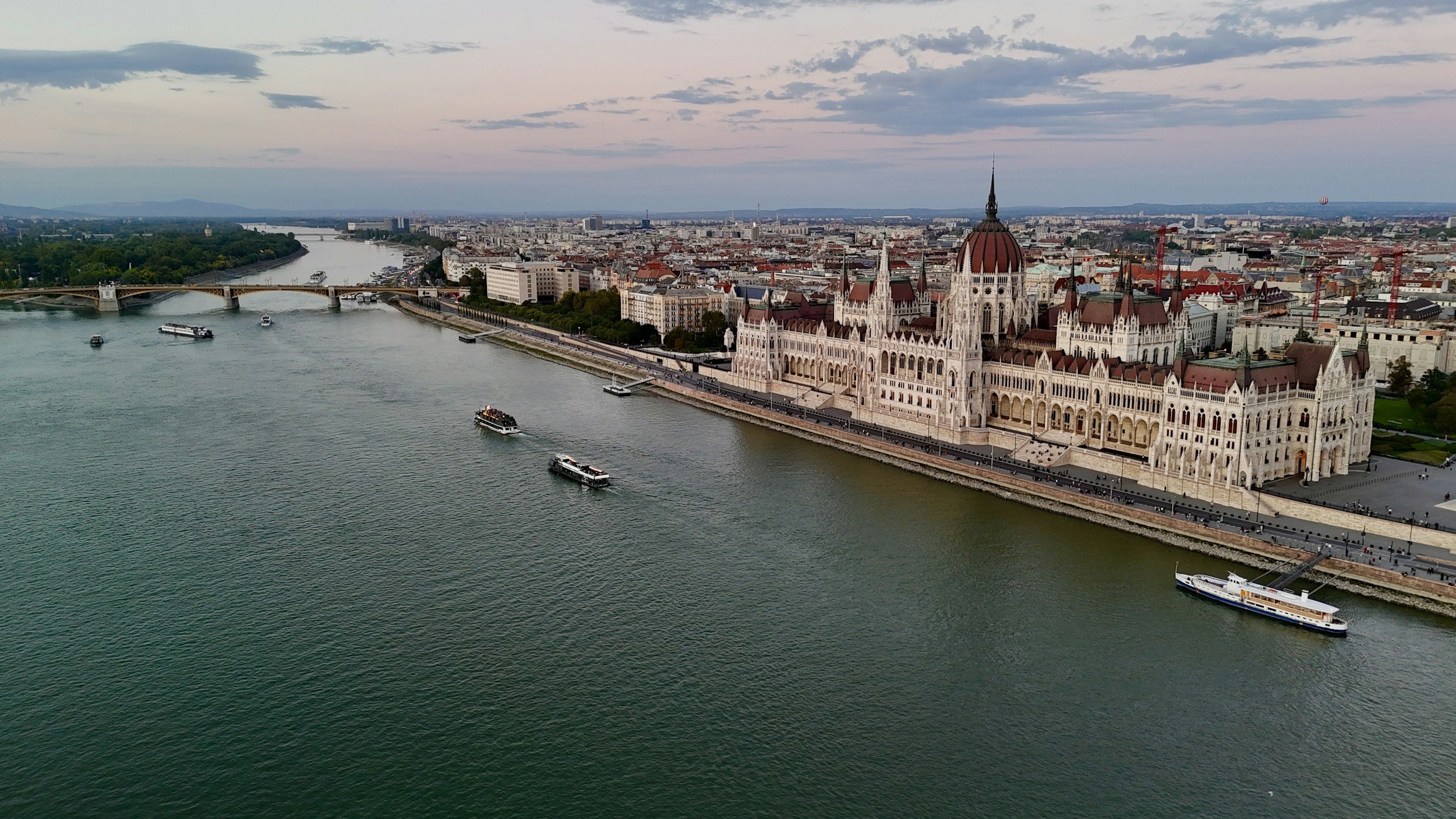
River cruising might be the best-kept secret in travel. I say this not because it’s obscure—it’s been around for decades—but because most travelers don’t realize it exists until someone like me mentions it. And even then, the mental image is often completely wrong.
So let me start here: river cruising is not ocean cruising in miniature. It’s a fundamentally different way to move through the world.
The Ship Itself Changes Everything
A river cruise ship carries somewhere between 100 and 250 passengers. That’s roughly the same capacity as two large tour buses. An ocean mega-ship carries 5,000 to 7,000 people—sometimes more. The difference isn’t just a number. It’s the difference between intimate and overwhelming.
On a river ship, you will eat dinner at the same table every night with the same 75 people. You will recognize faces. The crew will learn your name by day two. The captain will know you by day four. This is either your idea of heaven or your idea of a claustrophobic nightmare, and that’s important to know before you book.
The physical experience is different too. These ships are designed to fit through narrow locks, to dock in town centers, to navigate rivers that ocean ships could never reach. When I stepped off the AmaReina in Passau, I was standing in the heart of a medieval town—not in a cruise port designed for cruise ships, but in an actual city where locals live. I walked down a cobblestone street to a Christmas market. No shuttle bus. No barrier between the ship and the place.
That’s the river cruising advantage right there.
The Pace Is the Point
On a river cruise, you wake up in a different city nearly every day. But “different city” doesn’t mean you’re skipping breakfast to catch a tour bus at 6 a.m. You wake up, the ship has already arrived overnight while you slept. You have coffee on your balcony. You step off whenever you’re ready.
Most river cruises include guided excursions—sometimes one per day, sometimes two. But they’re optional, and they’re timed for humans, not hotel schedules. A three-hour walking tour of Vienna leaves at 10 a.m., not 7. You’ve had time to wake up properly.
The itinerary itself enforces a different rhythm than ocean cruising. You can’t cover as much distance—river ships move slowly—so a 10-day cruise might visit five or six towns instead of ten. That slowness is not a bug. It’s the whole point. You’re not ticking boxes. You’re settling into places.
And the river—the actual river—becomes your companion. I spent mornings standing on the AmaReina’s upper deck, watching the Danube unfold. The wine country passed. The castles appeared. There was time to notice.
The Lines — And Why Choosing One Is Actually My Job
Here’s something most river cruise marketing won’t tell you: there is no single best cruise line. There’s a best cruise line for you — and those are very different things.
The main players each have a distinct personality:
AmaWaterways — Excellent food, genuinely excellent. Strong active programming (bike tours, hiking alternatives). A favorite for the Danube and Mekong — and increasingly, for the Magdalena River in Colombia, one of the most exciting river cruise itineraries operating anywhere in the world right now. I’ve sailed AmaWaterways personally, and the service is the kind that notices things before you ask. (More on Colombia below — and yes, I’m planning a group trip there.)
Uniworld — Boutique hotel on water. Every ship is individually designed, art-forward, genuinely luxurious in feel. The highest price point of the major lines, and they earn it. If you want to feel like you’re in a Condé Nast shoot, this is your line.
Avalon — Sleek, modern, panoramic suite design that opens the whole room to the river. A strong entry point for first-time river cruisers and a favorite for independent travelers who want flexibility built into their itinerary.
Viking — The name most people recognize, and for good reason. Immersive cultural programming, strong educational bent, excellent enrichment lectures on board. The “thinking person’s cruise” — in the best possible way.
Crystal — White-glove ultra-luxury. Crystal River Cruises has relaunched with the same commitment to exceptional service that built the brand’s reputation. For the traveler who wants the absolute finest on the water.
The river matters too. The Danube is your gateway to Central Europe’s grandest cities and holiday markets. The Douro winds through Portugal’s wine country. The Rhine passes castle after castle. The Mekong offers something else entirely — Southeast Asia at a pace you’ll never find on land.
And then there’s the Magdalena. AmaWaterways’ Colombia itinerary is one I’ve been watching closely, and it may be the most compelling river cruise product operating right now for the traveler who wants something genuinely off the radar. The Magdalena cuts through the Colombian interior — past colonial river towns, tropical wildlife, and a country that most of the world hasn’t discovered yet. I’m planning a group trip on this river, and if Colombia has been on your mind, I want to hear from you before the spots are gone.
Interested in the Magdalena? I’m gauging interest for a small group departure. Register your interest here → — it takes two minutes and puts you first in line when details are confirmed.
None of this is simple to navigate — and it’s not supposed to be. It’s exactly what I’m here for.
Who River Cruising Is Actually For
You’re a good river cruise candidate if you love culture over spectacle—if the idea of a Broadway show on a ship sounds exhausting, but a wine tasting in a Mosel Valley vineyard sounds perfect. If you’re 50 or older, you’re in the river cruising sweet spot, though plenty of younger travelers love it too — myself included. If you’re a couple looking for romance without the anxiety of a mega-ship. If you want to eat well and sleep well and move without flying every other day.
River cruising is not for you if you want water slides, midnight buffets, the sense that the ship itself is the destination, or the anonymity of thousands of people. If you want to feel part of a big machine, go big. There’s nothing wrong with that. But that’s not river cruising.
The Honest Truth
River cruising is one of the smartest ways to see Europe if you want depth without logistics. You unpack once. You don’t worry about trains or car rentals. But you’re also on a ship with 100 people for a week or ten days, so there’s nowhere to hide if it’s not working for you.
The good news: it almost always works. River cruises have some of the highest satisfaction rates of any trip I plan — the regret rate is nearly zero. What people regret is not doing it sooner.
When Is the Right Time to Go?
Timing shapes the entire experience. A few guideposts:
Spring (April–May) — Tulip season on the Rhine and Amsterdam canals. The rivers are lush, the weather is mild, and the crowds haven’t peaked yet. One of the best times to be on the water.
Summer (June–August) — Peak season across all European rivers. Warmer temperatures, longer days, and higher prices. Excellent if you want the full sun-drenched experience; book further in advance.
Harvest (September–October) — My personal favorite for the Douro, Rhône, and Burgundy rivers. Vineyards in color, wine country at its most alive. Shoulder-season pricing with peak-season beauty.
Holiday Markets (November–December) — The Danube comes into its own. Christmas markets in Budapest, Vienna, Regensburg, Nuremberg. Cold, atmospheric, and unlike anything else in Europe. I wrote about my own November on the Danube here — it’s the trip that made me a believer.
Let’s Find Your River
If river cruising has been on your radar — or if this is the first time you’ve seriously considered it — I’d love to be your starting point. The right river, the right line, the right season: the combination is everything, and getting it wrong is genuinely disappointing.
I work with AmaWaterways, Uniworld, Viking, and many others. I’ve sailed these rivers. I know the ships. And I have access to inventory, amenities, and upgrades you won’t find booking directly.
The first conversation is free and comes with no pressure whatsoever.